

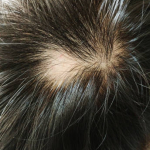

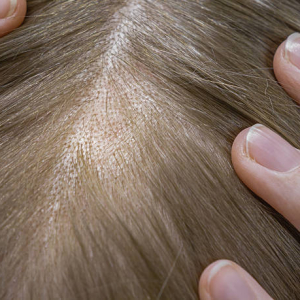
Diffuse hair loss can be more difficult to identify than a clearly defined bald patch because the change appears as reduced density across a broader scalp area. Alopecia Areata Treatment in Dubai for diffuse hair loss requires careful differentiation between diffuse alopecia areata and other causes of generalized shedding or thinning.
The key issue is not simply how much hair is being lost. The clinician must determine whether follicles are producing fewer hairs because of an immune-mediated process, a temporary shift in the hair-growth cycle, nutritional or hormonal factors, medication effects, or another scalp condition.
What Diffuse Hair Loss Looks Like
Diffuse loss usually presents as a reduction in overall hair density rather than one sharply outlined bald area.
Reduced Density Across Multiple Regions
A person may notice increased scalp visibility around the parting, crown, frontal region, or several areas simultaneously. The hair can appear thinner without a completely bare patch developing.
This pattern makes comparison with the patient's previous baseline particularly important.
Shedding and Thinning Are Not Identical
Some people primarily notice more hairs on their pillow, clothing, shower drain, or brush. Others notice that the ponytail or overall hairstyle has become less dense.
The distinction between increased shedding and reduced density helps guide the diagnostic process.
Diffuse Alopecia Areata Can Be Subtle
Alopecia areata does not always produce classic circular patches. In some presentations, hair loss can become more diffuse, making it easier to confuse with other forms of hair shedding.
A detailed examination is therefore more useful than relying on the distribution alone.
Why Diffuse Loss Requires a Broader Differential Diagnosis
Generalized thinning has many possible causes. Treating it as alopecia areata without confirming the pattern can delay appropriate management.
Telogen Effluvium
A temporary shift of many follicles into the shedding phase can produce noticeable diffuse hair loss. It may follow illness, significant physiological stress, nutritional changes, or other triggers.
The timing of shedding is often particularly useful when distinguishing this pattern from alopecia areata.
Androgenetic Hair Loss
Pattern hair loss generally follows characteristic distributions and progressive changes in follicle size. It may coexist with another type of hair loss, making careful examination important.
Nutritional or Systemic Factors
Iron deficiency, thyroid abnormalities, and other systemic factors can contribute to diffuse thinning in appropriate clinical contexts. Blood testing may be considered when the history or examination suggests an underlying systemic contributor.
Medication-Related Hair Loss
Certain medications can affect the hair-growth cycle. A complete medication history can therefore be relevant when diffuse shedding develops.
Assessing Diffuse Hair Loss for Alopecia Areata
The evaluation focuses on identifying whether the pattern contains features consistent with alopecia areata.
Reviewing the Onset
The clinician will consider when the loss began and whether the change occurred gradually or over a relatively short period.
A clearly defined timeline can help distinguish sudden shedding from progressive density reduction.
Examining Hair Distribution
Different scalp regions are assessed rather than focusing on one isolated location. The parting, crown, frontal area, sides, and back may all be compared.
This can reveal whether the loss is genuinely diffuse or whether several subtle patches are creating the appearance of generalized thinning.
Examining Individual Hairs
Hair shaft characteristics can provide useful information about the growth cycle and follicular behavior.
A combination of clinical examination and magnified assessment can reveal changes that are not apparent during ordinary visual inspection.
Dermoscopy in Diffuse Hair-Loss Assessment
Magnified scalp examination is particularly valuable when there is no obvious bald patch to define the disease.
Evaluating Follicular Openings
The clinician can assess whether follicular openings remain visible and whether the scalp surface appears consistent with a non-scarring process.
This can help separate diffuse non-scarring loss from conditions that may damage follicles permanently.
Comparing Different Scalp Regions
Dermoscopy can be used to compare affected and less affected areas. Differences in hair shaft characteristics or follicular appearance can help clarify the distribution of the problem.
Identifying Signs Consistent With Alopecia Areata
Certain dermoscopic findings can support an alopecia areata diagnosis when interpreted alongside the clinical history.
No single visual feature should be considered in isolation.
When Blood Tests or Additional Investigation May Help
Diffuse hair loss sometimes warrants investigation beyond the scalp.
Looking for Another Cause
If the pattern is not typical for alopecia areata or the history suggests a systemic contributor, laboratory testing may be considered.
The exact tests depend on the individual's symptoms, medical history, diet, medications, and clinical findings.
When Diagnosis Is Unclear
In selected cases, additional diagnostic procedures may be considered when the examination cannot adequately distinguish between possible causes.
The purpose is to clarify the diagnosis before committing to a treatment pathway.
Treatment Decisions for Diffuse Alopecia Areata
Management depends on the extent and activity of the disease rather than simply the amount of visible thinning.
Observation in Selected Cases
Some patients may be monitored when hair loss is limited in impact and there are signs of recovery.
Observation should involve planned reassessment so that changes in density or new areas of loss can be identified.
Medical Treatment for Active Disease
When diffuse alopecia areata is confirmed and clinically active, treatment may involve topical or other medical approaches selected according to the extent of involvement.
Localized injections may be more appropriate for defined areas than for genuinely diffuse loss, so treatment technique must match the distribution.
More Extensive Disease
When alopecia areata affects a substantial proportion of the scalp or continues to progress, treatment may require specialist consideration of broader medical options.
The suitability of advanced systemic therapies depends on factors such as disease extent, age, medical history, and safety monitoring requirements.
Why Diffuse Hair Loss Should Not Automatically Be Treated Like Pattern Hair Loss
The visual impression of thinning can lead patients to assume that they have conventional pattern hair loss.
Different Follicular Processes
Pattern hair loss involves characteristic follicular miniaturization, while alopecia areata involves an immune-mediated disruption of normal follicular activity.
These processes can look similar at first glance but require different clinical reasoning.
Treatments Are Not Interchangeable
A treatment designed for androgenetic hair loss should not automatically be used when the actual diagnosis is alopecia areata.
Establishing the cause is therefore more important than choosing a popular hair-growth product.
Both Conditions Can Coexist
It is also possible for different forms of hair loss to occur in the same person. A clinician may need to identify which component is responsible for the recent change in density.
Monitoring Diffuse Hair Loss
Generalized thinning is best tracked using standardized observations rather than daily estimates of shed hairs.
Consistent Photography
Photographs of the parting, crown, frontal scalp, and other relevant regions can establish a visual baseline.
The same lighting, camera distance, and hair position should be used when possible.
Hair Density Comparisons
The objective is to identify meaningful changes over time rather than minor fluctuations caused by styling or lighting.
A clinician can compare the overall pattern with previous examinations to determine whether density is stabilizing or declining.
Tracking New Symptoms
New localized patches, eyebrow loss, beard involvement, nail changes, scalp inflammation, or other changes should be reported because they may alter the clinical picture.
Diffuse Hair Loss and the Dubai Environment
Dubai's climate can make reduced hair density more noticeable, especially when strong sunlight falls directly onto areas where the scalp has become exposed.
Sun Protection
Reduced hair coverage means more scalp is exposed to ultraviolet radiation. Shade and suitable headwear can be useful during extended outdoor activity.
Heat and Sweating
High temperatures can increase sweating and scalp discomfort, but heat itself should not be assumed to be the underlying cause of alopecia areata.
Gentle cleansing can help maintain scalp comfort without aggressively treating the hair.
Air Conditioning
Frequent exposure to indoor air conditioning can contribute to a sensation of dryness for some people. Avoiding harsh cleansing and unnecessary scalp products can help maintain a comfortable routine.
Signs That Diffuse Hair Loss Needs Reassessment
A change in a previously stable pattern deserves another clinical review.
Pay particular attention to:
- Development of clearly defined bald areas
- Rapid increase in overall shedding
- New eyebrow or beard hair loss
- New nail changes
- Significant scalp scaling or inflammation
- Hair loss becoming concentrated in particular regions
- Persistent reduction in density despite previous improvement
- Symptoms suggesting a broader medical issue
These findings do not identify one specific cause on their own. They indicate that the original assessment may need to be revisited.
Common Mistakes With Diffuse Hair Loss
One common mistake is counting every shed hair and assuming that the number alone determines the cause. Hair shedding naturally fluctuates, and the more useful question is how the overall density and pattern are changing.
Another mistake is switching repeatedly between shampoos, oils, supplements, and hair-growth products without establishing the diagnosis. This can make it difficult to determine which factors are affecting the scalp.
Some people also assume that diffuse thinning must be androgenetic hair loss. When the onset is unusual or accompanied by other features, a broader evaluation is appropriate.
Finally, a patient may focus only on the crown because it is easiest to see in photographs. A complete scalp examination can reveal a different distribution.
Frequently Asked Questions
Can alopecia areata cause diffuse hair loss?
Yes. Although classic alopecia areata often produces distinct patches, some presentations can involve more diffuse scalp hair loss.
How is diffuse alopecia areata different from telogen effluvium?
They involve different biological processes. The timing, pattern, clinical history, and scalp examination help distinguish them.
Can diffuse hair loss happen without a bald patch?
Yes. Some conditions reduce overall density without creating a sharply defined area of complete hair loss.
Are blood tests always necessary?
No. Testing depends on the history and examination. It may be considered when another underlying cause is suspected.
Can diffuse hair loss recover?
Recovery depends on the underlying cause. Some forms of diffuse shedding are temporary, while others require ongoing management.
Should diffuse hair loss be treated with hair-growth products immediately?
It is better to establish the cause first. Different forms of hair loss require different treatment strategies.
A Diagnostic-First Approach to Diffuse Hair Loss
Diffuse hair loss requires more than identifying reduced density. The clinician must determine whether the pattern reflects alopecia areata, another hair-loss disorder, a temporary shedding process, or more than one condition occurring simultaneously.
For individuals considering Alopecia Areata Treatment in Dubai, the most useful starting point is a detailed assessment of the scalp, hair shafts, follicular structures, timing, and overall distribution. Once the cause is established, treatment or monitoring can be selected according to the actual pattern.
Get Diffuse Hair Loss Professionally Assessed
If your hair has become noticeably thinner across the scalp or you are experiencing increased shedding without an obvious bald patch, a professional evaluation can help clarify the cause before treatment is chosen.
Book a consultation with Tajmeels Clinic in Dubai to assess diffuse hair loss, review the follicular pattern, and discuss a personalized treatment or monitoring plan.