



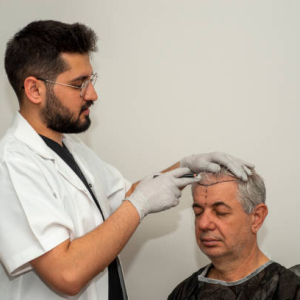
A distinct bald patch can be worrying, particularly when it appears suddenly or grows over time. Women considering Female Hair Transplant in Dubai should understand that patchy hair loss has several possible causes, and identifying the cause is essential before choosing a treatment.
Some localized areas of permanent hair loss may be considered for surgical restoration. However, conditions that cause active inflammation or unpredictable hair loss may require medical management instead. Tajmeels Clinic can discuss the assessment process and help prospective patients understand what needs to be established before a procedure is considered.
What Can Cause Patchy Hair Loss in Women
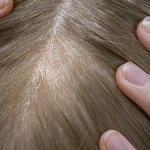
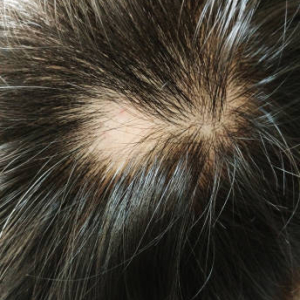
Patchy hair loss describes an area where hair density is reduced or absent. It is a visible pattern rather than a diagnosis, and different conditions can produce a similar appearance.
Possible causes include:
-
Alopecia areata: An immune-mediated condition that can cause smooth, round or oval patches of hair loss.
-
Traction alopecia: Hair loss associated with repeated pulling from tight hairstyles or extensions.
-
Scarring alopecia: Conditions that damage follicles and may replace them with scar tissue.
-
Fungal or other scalp disorders: Certain infections or inflammatory conditions can affect hair growth.
-
Physical injury or previous surgery: Scarring may leave a localized area without normal hair growth.
The treatment differs according to the cause. Sudden patch formation, rapid expansion, redness, scaling, pain, or burning should prompt medical assessment rather than an immediate decision about transplantation.
Female Hair Transplant in Dubai Starts With Diagnosis
Before discussing grafts or technique, the clinician needs to determine what is causing the patch and whether the condition is stable.
This distinction matters because transplanting hair into an area affected by active disease may produce an unpredictable result. In some conditions, hair loss can recur or extend beyond the original patch.
Assessing the scalp
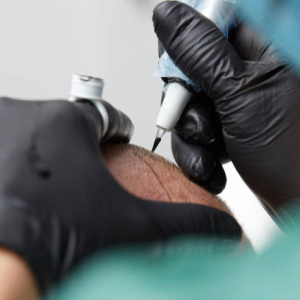
A clinical assessment may include a detailed history, visual examination, and closer inspection of the scalp. Depending on the findings, a clinician may recommend additional tests or referral for specialist evaluation.
The examination may consider the edges of the patch, the condition of the surrounding hair, signs of inflammation, and whether follicular openings remain visible. These findings can help guide the next step but do not replace a proper diagnosis.
Understanding the difference between non-scarring and scarring loss
In non-scarring conditions, follicles may remain present even when visible hair is absent. Some of these conditions can improve with appropriate medical treatment.
In scarring alopecia, inflammation may damage follicles permanently. Transplantation may be considered only in selected cases after the condition has been adequately assessed and is sufficiently inactive. The timing and suitability require specialist judgment.
When Transplantation May Be Considered
A hair transplant may be an option for some women with localized, stable hair loss when the affected area and donor region are suitable.
The assessment should consider:
-
Whether the cause of hair loss has been established
-
Whether the affected area is stable
-
Whether there are signs of active inflammation
-
Whether sufficient healthy donor follicles are available
-
Whether the surrounding hair is likely to continue thinning
-
Whether the expected cosmetic improvement is realistic
Not every bald patch is suitable for transplantation. For example, alopecia areata can be unpredictable, and transplantation is generally not a routine solution for active disease. Medical evaluation should come first.
Planning Coverage for a Localized Area
When surgery is appropriate, the plan should match the size and location of the affected area to the available donor supply.
Matching the existing growth pattern
Hair direction and angle influence how transplanted hair blends with surrounding strands. Around the hairline or temples, even a small area may require careful planning because it is visible during everyday styling.
The clinician should explain how the recipient area will be designed and what limitations may affect the final appearance.
Avoiding unnecessary harvesting
Donor hair is limited. The treatment plan should use it carefully rather than treating the number of grafts as the only measure of success.
The provider should discuss donor-area healing, possible scarring, and how harvesting may affect the appearance of the scalp when hair is worn short or tied back.
Accounting for surrounding hair
If natural hair around the patch is also thinning, the plan should consider how future changes could affect the result. Transplanted follicles do not stop the underlying condition from affecting other follicles.
A responsible plan includes discussion of monitoring and any additional treatment that may be appropriate.
Treatment Alternatives and Further Evaluation
Depending on the diagnosis, a clinician may recommend medical treatment, monitoring, or management of a contributing factor before considering surgery.
For example, alopecia areata may require a medical treatment approach rather than transplantation. A scalp infection needs appropriate diagnosis and treatment. Traction-related loss may require reducing tension from hairstyles, while suspected scarring alopecia may need specialist evaluation.
These examples illustrate why the same visible symptom can require very different care. A transplant consultation should not replace assessment of a potentially active scalp condition.
Recovery and Expectations After Transplantation
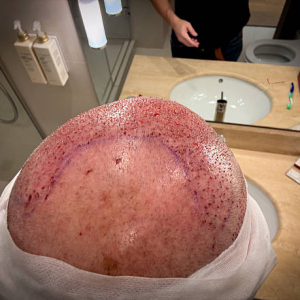
Recovery depends on the procedure and the individual's healing. Temporary swelling, tenderness, crusting, altered sensation, infection, scarring, and poor growth are possible complications.
Transplanted hairs may shed during the early recovery period before new growth becomes visible. Improvement develops gradually over several months, and the timing varies. A clinician should explain the follow-up schedule and when the result can reasonably be assessed.
If the original condition can cause additional hair loss, ongoing monitoring may be necessary. Surgery should be approached as one part of a long-term plan, not a guarantee that the affected area or surrounding scalp will never change again.
What to Ask Before Making a Decision
-
What is the most likely cause of the bald patch?
-
Is further testing or specialist evaluation needed?
-
Is the condition active, stable, or likely to recur?
-
Would medical treatment be more appropriate than surgery?
-
Is the donor area healthy and sufficient?
-
What result is realistic for the size and position of the patch?
-
What follow-up or monitoring will be required?
You should understand the diagnosis and alternatives before agreeing to a procedure.
Clinic note: Patchy hair loss should be assessed before transplantation is considered. Active alopecia areata, infection, or inflammatory scalp disease may require medical care rather than surgery.
Frequently Asked Questions
Can a hair transplant fill a bald patch in women?
It may be considered for selected cases of localized, stable hair loss. Suitability depends on the diagnosis, donor supply, scalp health, and likelihood of further hair loss.
Is alopecia areata suitable for a hair transplant?
Transplantation is generally not a routine treatment for active alopecia areata because the condition can be unpredictable. A clinician should assess the condition and discuss appropriate medical options.
Can scarring alopecia be treated with transplantation?
Selected patients may be considered after specialist assessment and adequate disease stability. Suitability and timing depend on the type of scarring condition and the individual scalp.
Should I wait if a bald patch has appeared suddenly?
Sudden or expanding patches should be assessed by a qualified clinician. Identifying the cause is more important than choosing a cosmetic procedure immediately.
How do I discuss my options with Tajmeels Clinic?
Review the Female Hair Transplant in Dubai service page and contact the clinic on WhatsApp to enquire about a consultation.
Explore Your Options at Tajmeels Clinic
The most appropriate treatment for patchy hair loss depends on what is happening beneath the surface of the scalp. A careful assessment can help determine whether medical management, observation, or surgical restoration deserves consideration.
Learn more about Female Hair Transplant in Dubai and contact Tajmeels Clinic to discuss the next step for your individual circumstances.