




Hair loss can affect confidence and appearance, especially when thinning becomes noticeable around the hairline, crown, or other areas of the scalp. A hair transplant is a surgical procedure that relocates healthy hair follicles from a donor area to areas experiencing thinning or baldness. Understanding what happens before, during, and after treatment can help patients make informed decisions. Hair Transplant in Islamabad is considered by many patients seeking a long-term approach to permanent hair loss, but suitability and expected results should always be assessed during a professional consultation.
Before the Hair Transplant
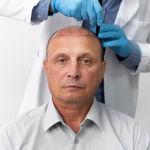
The process usually begins with a detailed consultation. A qualified hair-restoration professional evaluates your pattern and extent of hair loss, donor-area density, scalp condition, hair characteristics, and overall expectations. This assessment helps determine whether transplantation is appropriate and how many grafts may be required.
During the consultation, discuss your medical history, medications, allergies, previous treatments, and any ongoing hair-loss concerns. Your provider may also take photographs and explain potential risks, recovery requirements, and realistic results.
Patients should also understand the difference between common techniques. Follicular Unit Extraction (FUE) removes individual grafts from the donor area, while Follicular Unit Transplantation (FUT) removes a strip of hair-bearing skin that is divided into individual grafts. The recommended technique depends on your individual needs.
Before treatment, follow the clinic's instructions carefully. This may include guidance about medications, alcohol, smoking, hair products, and washing the scalp. Do not stop prescribed medicines unless your healthcare professional specifically advises you to do so.
During the Procedure
Hair transplantation is generally performed as an outpatient procedure using local anesthesia, meaning you remain awake while the scalp is numbed. Depending on the number of grafts required, treatment can take several hours.
The procedure generally involves three main stages. First, healthy hair follicles are carefully harvested from the donor area, commonly toward the back or sides of the scalp. Next, the grafts are prepared for implantation. Finally, tiny openings are created in the recipient area, and the grafts are strategically placed to create natural-looking coverage.
Hairline design is particularly important because the transplanted follicles need to complement your facial features and existing hair. Your provider should discuss the proposed hairline and coverage plan before the procedure begins.
After the Hair Transplant
The first few days require careful attention. Mild swelling, tightness, tenderness, itching, redness, and temporary scabbing can occur after treatment. These effects generally improve as the scalp heals.
For the first couple of weeks, transplanted grafts need protection because they are not immediately secure. Follow your provider's instructions regarding washing, sleeping position, exercise, scalp touching, and hair products. NHS guidance notes that some patients may need around one to two weeks away from work and should be particularly careful with grafts during the initial two weeks.
One of the most important things to understand is that transplanted hair does not produce immediate final results. Some transplanted hairs may shed during the early healing period, after which new growth gradually develops. New hair may begin appearing after several months, while the full outcome can take approximately 10 to 18 months.
Regular follow-up appointments allow the provider to monitor healing and hair growth. Contact your healthcare professional promptly if you experience severe pain, excessive bleeding, significant redness, fever, or other unexpected symptoms.
Frequently Asked Questions
Is a hair transplant painful?
Because local anesthesia is used, significant pain during the procedure is generally minimized. Some tenderness, tightness, or discomfort may occur afterward.
How long does a hair transplant take?
The duration depends on the number of grafts and technique used. Larger treatment areas can require several hours or, in some cases, more than one session.
When will transplanted hair start growing?
New growth typically takes several months to become noticeable. Full results may take around 10 to 18 months, depending on individual healing and growth.
Can transplanted hair fall out after the procedure?
Yes. Temporary shedding of transplanted hairs can occur during the early stages. This does not necessarily mean the transplant has failed, as new growth can develop afterward.
How soon can I return to normal activities?
Recovery varies from person to person. Many patients can resume light daily activities relatively quickly, but strenuous exercise and activities that could disturb the grafts may need to be restricted temporarily. Follow your provider's specific instructions.
Final Thoughts
A hair transplant is a gradual process rather than an instant solution. Careful assessment before treatment, precise graft placement during the procedure, and proper aftercare can all contribute to a satisfactory outcome. Patients considering Hair Transplant in Islamabad should choose an experienced, appropriately qualified professional, understand the possible risks, and maintain realistic expectations about recovery and hair growth.