

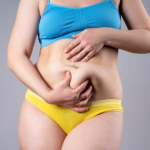

Significant weight loss is an important achievement, but many people are left with loose, hanging skin around the abdomen. Diet and exercise can improve muscle tone and overall body composition, but they cannot always remove excess skin that has lost its elasticity. This is where tummy tuck surgery, medically known as abdominoplasty, may help. The procedure is specifically designed to remove excess abdominal skin and, when necessary, tighten weakened or separated abdominal muscles.
For people considering Tummy Tuck Surgery in Islamabad, the key question is whether abdominoplasty is appropriate for their particular amount of loose skin, body weight, abdominal structure, and aesthetic goals. A qualified plastic surgeon can evaluate these factors and recommend the most suitable approach.
Can a Tummy Tuck Remove Loose Skin After Weight Loss?
Yes. A tummy tuck can remove significant amounts of loose and sagging abdominal skin after weight loss. During the procedure, the surgeon removes selected excess skin and tissue from the abdomen and redrapes the remaining skin to create a smoother and firmer contour. If abdominal muscles have also become stretched or separated, muscle repair may be performed as part of the procedure.
However, a tummy tuck is not a weight-loss procedure. It is a body-contouring surgery intended for people who have already lost weight and are close to their target or stable weight.
Why Does Weight Loss Cause Loose Abdominal Skin?
When the body gains substantial weight, the skin stretches to accommodate the increased volume. After major weight loss, the skin may not fully contract because its elasticity has been affected by factors such as age, genetics, the amount of weight lost, and how long the skin remained stretched.
Common concerns after major weight loss include:
- Hanging or apron-like abdominal skin
- Loose folds around the lower stomach
- Wrinkled skin when sitting or bending
- Stretch marks within areas of excess skin
- A protruding abdomen caused partly by weakened abdominal muscles
- Difficulty achieving a firm abdominal appearance despite exercise
Who May Be a Good Candidate After Weight Loss?
Not everyone who loses weight automatically needs a tummy tuck. Candidacy depends on the amount and location of excess skin, overall health, weight stability, and expectations.
A person may be considered a suitable candidate if they:
- Have substantial loose or sagging abdominal skin after weight loss
- Have maintained a relatively stable weight
- Are generally healthy enough for elective surgery
- Have realistic expectations about scars and results
- Do not plan significant additional weight loss immediately
- Are willing to follow pre-operative and post-operative instructions
People who are still actively losing a large amount of weight may be advised to reach a stable weight first. Significant weight changes after surgery can affect the final contour.
Which Type of Tummy Tuck May Be Suitable?
The appropriate technique depends on how much loose skin is present and where it is located.
Full tummy tuck:
A full abdominoplasty generally addresses excess skin across a larger portion of the abdomen and may include abdominal muscle tightening.
Mini tummy tuck:
A mini tummy tuck is generally considered when excess skin and laxity are concentrated mainly below the belly button.
Extended tummy tuck:
For some people after major weight loss, loose skin may extend toward the flanks and sides of the waist. An extended abdominoplasty can address a broader area than a standard tummy tuck.
The choice should be based on an individual physical assessment rather than simply selecting a procedure by name.
Tummy Tuck vs. Exercise for Loose Skin
Exercise remains important after weight loss because it supports muscle strength, fitness, and healthy weight maintenance. However, exercise cannot physically remove a large amount of excess skin.
This distinction is important:
- Exercise: strengthens underlying muscles and supports overall fitness.
- Healthy nutrition: helps maintain a stable weight and supports recovery.
- Tummy tuck: surgically removes excess abdominal skin and can repair abdominal wall laxity when appropriate.
Therefore, a tummy tuck should be viewed as a body-contouring procedure after weight loss, not as an alternative to healthy lifestyle habits.
What Happens During Tummy Tuck Surgery?
During a consultation, the surgeon evaluates the abdomen, skin quality, distribution of excess tissue, previous surgeries, and abdominal muscle condition. The surgical plan is then customized according to the patient's anatomy and goals.
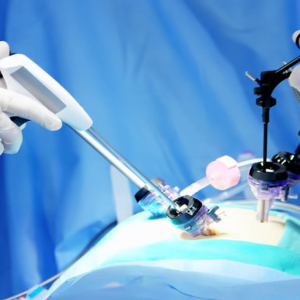
Generally, the procedure involves:
- Planning and marking the surgical area.
- Making an incision in the lower abdomen.
- Removing selected excess skin and tissue.
- Tightening the abdominal wall when clinically appropriate.
- Redraping the remaining skin.
- Closing the incision and providing post-operative care.
Liposuction may sometimes be considered alongside abdominoplasty for additional contouring, but whether combined treatment is appropriate depends on the individual patient.
Recovery and Expected Results
Recovery varies from person to person. Swelling, bruising, tightness, and discomfort are common during the early healing period. Patients usually need to restrict strenuous activities for a period determined by their surgical team, while the final contour develops gradually as swelling decreases.
The abdomen may look improved soon after surgery, but the final appearance can take several months to develop. Scars are an unavoidable part of tummy tuck surgery, although surgeons generally position the main incision as discreetly as practical.
Following aftercare instructions, maintaining a stable weight, and avoiding significant future weight fluctuations can help protect the long-term result.
Tummy Tuck Surgery at SKN Cosmetics in Islamabad
For patients exploring Tummy Tuck Surgery in Islamabad, SKN Cosmetics in Islamabad provides consultation and abdominoplasty treatment planning for concerns such as loose abdominal skin following significant weight loss. The clinic's published information describes tummy tuck surgery as a body-contouring procedure that can remove excess skin and fat and address weakened abdominal muscles when appropriate.
A consultation is important because the amount of skin that can safely be removed, the type of abdominoplasty required, and whether additional contouring is appropriate can only be determined after an individual assessment. Patients should also discuss expected scars, recovery, risks, and realistic results before deciding on surgery.
Is Tummy Tuck Surgery Right After Weight Loss?
If you have worked hard to lose significant weight but are still dealing with loose abdominal skin, a tummy tuck may be an effective option for improving abdominal contour. The procedure can remove excess skin that diet and exercise cannot eliminate and may also address abdominal muscle laxity in appropriate patients.
The most important consideration is timing. Ideally, patients should be near a stable weight before undergoing body-contouring surgery. A personalized consultation can help determine whether a full, mini, or extended tummy tuck is more appropriate for your needs.
Frequently Asked Questions
Can a tummy tuck remove all loose skin after weight loss?
A tummy tuck can remove a substantial amount of excess abdominal skin, but the exact amount depends on your anatomy, skin quality, and surgical plan. Complete removal of every area of loose skin is not always possible or appropriate.
How much weight should I lose before a tummy tuck?
There is no single weight-loss number that applies to everyone. Generally, patients are advised to be close to their desired weight and maintain a stable weight before surgery. Your surgeon can assess whether you are ready for body-contouring surgery.
Will a tummy tuck remove stretch marks?
Some stretch marks may be removed if they are located within the skin that is excised. Stretch marks outside the surgical area generally remain.
Can loose skin return after a tummy tuck?
The removed skin does not grow back, but significant future weight gain or loss can stretch the remaining tissues and change the abdominal contour. Maintaining a stable weight can help preserve the result.
Is tummy tuck surgery painful?
Because the procedure is performed under anesthesia, pain is not experienced during the operation. Some soreness, tightness, swelling, and discomfort can occur during recovery and are managed according to the surgeon's post-operative plan.
Final Thoughts
Loose abdominal skin after major weight loss can remain even when someone follows a healthy diet and exercises regularly. Tummy tuck surgery can remove excess abdominal skin and improve the overall contour, while selected patients may also benefit from abdominal muscle repair. The procedure is not a substitute for weight loss, but it can be an important body-contouring option once weight has become stable.
For individuals considering Tummy Tuck Surgery in Islamabad, the safest approach is to have a personalized consultation with a qualified surgical professional, understand the benefits and limitations, and make a decision based on realistic expectations.
For consultation and further information:
WhatsApp: +92 300 6142585
Phone: 051-2656492