

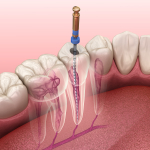






Tooth infections can develop when harmful bacteria reach the soft inner part of a tooth, known as the dental pulp. This area contains nerves and blood vessels, so infection can cause significant pain, sensitivity, swelling, and other dental problems. If the infection is not treated, it can spread to the tissues surrounding the tooth and may eventually lead to tooth loss.
For patients searching for Root Canal Treatment in Islamabad, understanding what causes tooth infections can help them recognize problems early and seek professional dental care before the condition becomes more complicated.
What Is a Tooth Infection?
A tooth infection occurs when bacteria enter the pulp or root canal system of a tooth. Normally, the enamel and dentin protect the pulp from bacteria. However, decay, cracks, trauma, or other damage can create a pathway for bacteria to enter.
Once the pulp becomes infected or severely inflamed, it usually cannot heal on its own. Root canal treatment removes the infected pulp, cleans and disinfects the inside of the tooth, and seals it to help prevent reinfection.
Deep Tooth Decay
One of the most common causes of tooth infection is untreated tooth decay. Cavities begin when bacteria and plaque damage the tooth's outer layers. If decay continues to progress deeper, it can eventually reach the pulp.
At this stage, patients may experience persistent toothache, sensitivity to hot or cold foods, pain while chewing, or discomfort that occurs without an obvious trigger. Deep decay is a common reason dentists recommend root canal treatment.
Cracked or Fractured Teeth
A cracked or fractured tooth can allow bacteria to move toward the inner pulp. Even a small crack may become problematic if it extends deeply into the tooth.
Dental injuries can occur because of accidents, sports injuries, biting hard foods, or general wear and tear. Sometimes pulp damage occurs even when there is no obvious crack or chip on the visible surface.
Repeated Dental Procedures
Teeth that have undergone multiple dental procedures may become more vulnerable to pulp irritation or damage. Repeated replacement of fillings or extensive dental work can affect the inner tissues of a tooth.
If the pulp becomes permanently inflamed or infected, root canal treatment may be recommended to remove the damaged tissue and preserve the natural tooth.
Leaking Fillings or Crowns
An old, damaged, or poorly sealed filling or crown can sometimes allow bacteria to enter underneath the restoration. This may result in recurrent decay or infection inside the tooth.
Patients who notice new sensitivity, discomfort, or pain around a previously restored tooth should have it examined by a dentist. Early assessment may help prevent the infection from becoming more established.
Dental Trauma
A strong impact to the mouth can damage the blood supply and nerves inside a tooth. This can happen after a fall, accident, sports injury, or other facial trauma.
In some cases, symptoms may not appear immediately. The pulp can gradually deteriorate, allowing bacteria to enter and cause infection later. Therefore, an injured tooth should be evaluated even when there is no visible break.
Signs You May Need Root Canal Treatment
Symptoms can vary depending on the stage and severity of infection. Common warning signs include:
- Persistent or severe toothache
- Pain while biting or chewing
- Sensitivity to hot or cold
- Swelling around the tooth or gums
- A pimple or boil on the gum
- Pus or an unpleasant taste in the mouth
- Tooth discoloration
- Tenderness around the affected tooth
However, pain may sometimes disappear when the pulp dies, even though the infection continues. This is why the absence of pain does not always mean the tooth has healed.
How Root Canal Treatment Helps
Root canal treatment is designed to remove infected or damaged pulp from inside the tooth. The dentist accesses the root canal system, removes the infected tissue, cleans and disinfects the canals, and then fills and seals the space.
Depending on the condition of the tooth, a permanent filling or dental crown may be placed afterward to restore function and protect the tooth. The main goal is to control infection while preserving the natural tooth whenever possible.
When Should You See a Dentist?
Tooth pain should not be ignored, particularly when it continues for several days or is accompanied by swelling, fever, or difficulty chewing. A dentist can examine the tooth and may use dental X-rays to determine whether the pulp or surrounding tissues are affected.
Antibiotics are not a substitute for definitive dental treatment in most localized dental infections. Depending on the situation, treatment may involve root canal therapy, drainage, or extraction, while antibiotics may be appropriate when there are signs that infection is spreading or systemic symptoms are present.
Frequently Asked Questions
Is root canal treatment painful?
Modern root canal treatment is generally performed under local anesthesia, which numbs the affected area. Some soreness or sensitivity may occur afterward, but it usually improves as healing progresses.
Can a tooth infection go away on its own?
An infection inside the dental pulp generally does not heal by itself. Without appropriate dental treatment, the infection can continue spreading and may eventually result in an abscess or tooth loss.
Can tooth decay always be treated without a root canal?
Not always. If decay has reached and seriously damaged or infected the pulp, a simple filling may no longer be sufficient. In such cases, root canal treatment may be needed to save the tooth.
How can I reduce my risk of tooth infection?
Good oral hygiene, regular dental check-ups, fluoride toothpaste, daily cleaning between teeth, and timely treatment of cavities can help reduce the risk of dental infections.
Is root canal treatment better than extracting an infected tooth?
When a tooth can be successfully restored, root canal treatment can help preserve the natural tooth and avoid extraction. The appropriate option depends on the tooth's condition and should be determined after a professional dental examination.
Final Thoughts
Tooth infections commonly develop because of deep decay, cracks, trauma, leaking restorations, or repeated dental procedures. Recognizing symptoms early and receiving professional dental care can help prevent the infection from progressing. For individuals considering Root Canal Treatment in Islamabad, a timely dental assessment can determine whether root canal therapy is appropriate and whether the natural tooth can be preserved.