

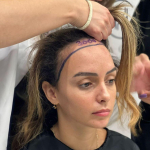


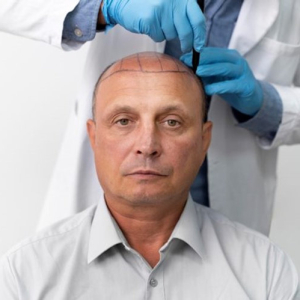
A receding hairline is one of the most noticeable signs of hair loss. It can gradually change facial proportions and may affect confidence, especially when the hairline continues moving backward over time. For people experiencing permanent hair loss, a Hair Transplant in Islamabad can be an option for restoring hair in areas where follicles have been lost. Modern transplantation techniques move healthy hair follicles from a donor area to thinning or bald areas, allowing the transplanted follicles to grow naturally.
What Causes a Receding Hairline?
A receding hairline can develop for several reasons. Male pattern hair loss, also called androgenetic alopecia, is one of the most common causes and often progresses gradually. Genetics and hormonal sensitivity can contribute to the gradual thinning of follicles around the temples and front of the scalp. Other causes of hair loss can include certain medical conditions, nutritional issues, medications, stress, and traction from tight hairstyles. Identifying the underlying cause is important before considering transplantation.
Can a Hair Transplant Restore a Receding Hairline?
Yes, a hair transplant can restore a receding hairline when the person is a suitable candidate. During the procedure, healthy follicles are taken from a donor area, commonly the back or sides of the scalp, and carefully placed into the areas affected by recession.
The goal is not simply to add hair to the front of the scalp. A properly planned procedure considers the shape of the face, existing hair, donor supply, hair direction, density, and the likely progression of future hair loss. Creating a natural-looking hairline is particularly important because the front edge of the hair is highly visible.
Which Hair Transplant Techniques Can Be Used?
Several transplantation techniques may be considered depending on the patient's hair loss pattern and donor area.
FUE (Follicular Unit Extraction) involves extracting individual follicular units and implanting them into the recipient area. It does not require removing a long strip of scalp and is commonly used for targeted hairline restoration.
FUT (Follicular Unit Transplantation) involves removing a strip of hair-bearing skin from the donor area and dividing it into individual follicular units for transplantation. It can be considered when a larger number of grafts is needed.
The most appropriate technique depends on factors such as donor density, the number of grafts required, hair characteristics, previous procedures, and individual goals.
Who May Be a Good Candidate?
Not everyone with a receding hairline immediately needs a transplant. A consultation and scalp assessment can help determine whether transplantation is appropriate.
A potential candidate generally needs:
- A stable or clearly diagnosed pattern of hair loss
- Sufficient healthy donor hair
- A recipient area capable of supporting transplanted follicles
- Realistic expectations about density and coverage
- Good overall suitability for the procedure
The American Academy of Dermatology notes that having enough healthy donor hair and the ability to grow hair in the thinning area are important considerations. In some younger patients with actively progressing hair loss, treatment to stabilize hair loss may be recommended before transplantation.
What Happens After Hair Transplantation?
Hair transplantation is not an instant solution. The transplanted follicles need time to establish themselves and begin producing new hair. It is normal for transplanted hairs to shed during the early weeks following the procedure. New growth typically becomes noticeable over several months, with many patients seeing meaningful results around six to nine months and some requiring up to 12 months for the final outcome.
Following post-procedure instructions is important for protecting the grafts and supporting proper healing. Patients should also understand that existing, non-transplanted hair can continue to thin if the underlying hair-loss condition remains active. Medical treatment may sometimes be recommended to help slow additional hair loss.
How Natural Can Hairline Restoration Look?
Modern hair transplantation focuses on placing individual follicular units in a pattern that follows natural hair growth. The angle, direction, spacing, and density of grafts can all influence the final appearance.
A hairline that is designed too low or too straight may look unnatural as the person ages. A carefully planned hairline generally takes current hair loss, facial proportions, donor availability, and possible future recession into account.
Why Consultation Matters
Before choosing a hair transplant, it is important to determine why the hairline is receding and whether transplantation is suitable. A professional evaluation can assess the scalp, donor area, hair-loss pattern, and realistic expectations.
Patients should also understand that a transplant redistributes existing follicles rather than creating an unlimited supply of new hair. Therefore, careful planning is essential, particularly when treating a receding hairline at a younger age.
FAQs
Can a hair transplant completely restore my original hairline?
A transplant can significantly improve a receding hairline, but completely recreating your original teenage hairline may not be realistic. The achievable result depends on donor hair, the extent of recession, and individual characteristics.
How long does it take to see hair transplant results?
New growth develops gradually. Many patients begin seeing noticeable improvement within several months, while the final result can take around 12 months in some cases.
Is FUE suitable for a receding hairline?
FUE can be suitable for targeted hairline restoration because individual follicular units can be extracted and placed precisely. However, the appropriate technique should be determined after evaluating the patient's hair loss and donor area.
Can hair loss continue after a hair transplant?
Yes. Transplanted follicles can provide long-lasting growth, but existing natural hair may continue to thin because of the underlying hair-loss condition. A medical professional may recommend additional treatment to help maintain surrounding hair.
Is a receding hairline always a reason to get a hair transplant?
No. Some people may benefit from medical hair-loss treatments or monitoring rather than immediate surgery. The cause and progression of hair loss should be evaluated before deciding on transplantation.
Final Thoughts
A receding hairline can often be improved with modern hair transplantation when sufficient donor hair is available and the patient is an appropriate candidate. The procedure focuses on redistributing healthy follicles to create natural-looking coverage rather than simply adding hair to the front of the scalp. Anyone considering a Hair Transplant in Islamabad should have a professional evaluation, understand realistic expectations, and discuss both the immediate restoration plan and long-term hair-loss management.