

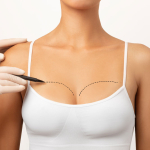



Breast augmentation is a cosmetic procedure designed to enhance breast size, shape, or symmetry. Women may consider it after pregnancy, breastfeeding, significant weight loss, natural asymmetry, or simply because they are unhappy with their breast volume. The procedure may involve implants or, in selected cases, fat transfer.
For Pakistani women considering Breast Augmentation in Islamabad, having accurate information is important before making a decision. Understanding the procedure, implant options, recovery, potential risks, and long-term considerations can help patients approach a consultation with realistic expectations.
What Is Breast Augmentation?
Breast augmentation, also called augmentation mammoplasty, is performed to increase breast volume or improve breast shape and proportion. Implants are commonly placed beneath the breast tissue or chest muscle. Another option for selected patients is fat transfer, in which fat is taken from another area of the body and used to enhance the breasts.
The appropriate technique depends on factors such as existing breast tissue, body proportions, desired results, and overall health.
Who Can Consider Breast Augmentation?
Breast augmentation may be suitable for women whose breasts are fully developed and who are physically healthy and have realistic expectations. Some women seek enhancement because they naturally have smaller breasts, while others experience loss of volume following pregnancy, breastfeeding, aging, or weight changes. Breast asymmetry can also be a reason for considering surgery.
A personal consultation is essential because suitability cannot be determined from breast size alone.
What Types of Breast Implants Are Available?
The two major implant categories are saline-filled and silicone gel-filled implants. Both have a silicone outer shell but differ in their filling material and characteristics. Implants can also vary in size, shape, surface texture, and projection.
The choice should be based on anatomy and desired appearance rather than simply selecting the largest possible implant. A qualified surgeon can explain which options are appropriate for an individual patient.
Will Breast Augmentation Look Natural?
The final appearance depends on implant size, placement, breast tissue, body proportions, skin quality, and surgical technique. Choosing an implant that is appropriate for the patient's anatomy can help create balanced results.
Women should communicate their expectations clearly during consultation. It is also helpful to understand that the appearance of augmented breasts can change over time because of aging, pregnancy, weight fluctuations, and natural changes in breast tissue.
How Long Is the Recovery?
Recovery varies between individuals. Immediately after surgery, patients may experience swelling, soreness, tightness, and bruising. A support bra or other compression garment may be recommended during the healing period. Acute discomfort often improves within several days, although swelling and tenderness can continue for a few weeks. Normal activities and exercise should be resumed according to the surgeon's instructions.
Patients should arrange appropriate assistance at home during the early recovery period, particularly for transportation and daily activities.
Is Breast Augmentation Permanent?
Breast implants are not considered lifetime medical devices. Although some implants can remain in place for many years, complications or changes in personal preferences may eventually lead to implant removal, replacement, or additional surgery.
Patients should therefore consider breast augmentation as a long-term decision rather than a procedure that requires only one operation for life.
What Are the Possible Risks?
Like any surgery, breast augmentation carries potential risks. These may include infection, bleeding, changes in breast or nipple sensation, pain, asymmetry, scarring, implant rupture, and capsular contracture, in which scar tissue around an implant becomes unusually firm. Some patients may require revision surgery.
The FDA also advises patients about rare implant-associated conditions, including BIA-ALCL and reports of other cancers involving the capsule surrounding implants. Patients should discuss these risks and the specific implant's safety information with their healthcare provider before surgery.
Can Breast Implants Affect Breastfeeding?
Breast augmentation does not automatically mean that breastfeeding will be impossible. However, the effect can vary depending on the surgical technique, incision location, individual anatomy, and other factors. Women planning future pregnancies should discuss this with their surgeon before choosing surgery.
Pregnancy and breastfeeding can also change breast size and shape, potentially affecting the cosmetic result over time.
What Should Pakistani Women Ask During Consultation?
A consultation is an opportunity to discuss personal goals, implant options, placement, expected recovery, potential complications, and future monitoring. Patients should also ask about the surgeon's qualifications, surgical facility, experience with breast augmentation, and how complications would be managed.
Women considering treatment in Islamabad should choose a properly qualified medical professional and an appropriate surgical facility rather than making a decision based solely on price.
Frequently Asked Questions
How long does breast augmentation surgery take?
The operating time varies according to the technique and individual circumstances. Breast implant surgery can take from one to several hours.
When can I return to normal activities?
Recovery differs from person to person. Light daily activities may gradually resume as advised, while strenuous exercise and heavy lifting should generally wait until the surgeon confirms it is safe.
Can breast augmentation correct uneven breasts?
Breast augmentation can sometimes improve breast asymmetry, although perfect symmetry cannot always be achieved. The appropriate approach depends on the degree and cause of the asymmetry.
Are breast implants safe?
Approved breast implants undergo safety testing, but they are medical devices with potential short- and long-term complications. Patients should understand the risks, benefits, monitoring requirements, and possibility of future surgery before proceeding.
Will I need breast implant monitoring?
Patients should follow their healthcare provider's recommendations for monitoring. Silicone implants may require imaging such as MRI or ultrasound to check for silent rupture or other concerns, depending on current recommendations and individual circumstances.
Final Thoughts
Breast augmentation can help women improve breast volume, shape, and symmetry, but it is an important surgical decision that requires careful planning. Understanding implant choices, recovery, possible risks, future pregnancies, and long-term monitoring can help Pakistani women make informed choices. If you are considering Breast Augmentation in Islamabad, discuss your expectations and medical history with a qualified professional to determine the safest and most suitable approach for you.