

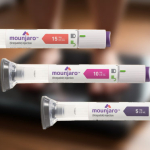





If you are exploring Mounjaro in Islamabad, it is important to understand how the treatment works, who may benefit from it, what to expect during treatment, and how to manage the adjustment period. Mounjaro contains tirzepatide, a medicine that acts on GIP and GLP-1 receptors. It can help regulate appetite, increase feelings of fullness, and support weight management when combined with a reduced-calorie diet and regular physical activity.
What Is Mounjaro?
Mounjaro is a prescription medicine containing tirzepatide. It is administered as a once-weekly injection and is used for type 2 diabetes and, where medically appropriate, weight management in adults. Its effects on appetite and digestion can help some people consume fewer calories and support gradual weight loss.
Mounjaro is not simply a quick weight-loss solution. A healthcare professional should assess your medical history, current medicines, weight-related health concerns, and suitability before treatment begins.
How Does Mounjaro Treatment Work?
Tirzepatide works by activating two hormone receptors, GIP and GLP-1. These hormones are involved in appetite regulation, blood sugar control, and digestion. The medicine can slow stomach emptying and help you feel satisfied for longer, which may reduce hunger and food cravings.
The injection is generally taken once a week. Your healthcare professional determines the appropriate starting dose and whether it should be increased over time. Dose adjustments are usually gradual because the body may need time to adapt to the medicine.
What to Expect After Starting Treatment
Every person's response to Mounjaro is different. Some people may notice reduced appetite relatively early, while changes in body weight can take longer. Treatment should be monitored rather than judged by short-term changes alone.
During the early weeks, you may experience digestive symptoms such as nausea, diarrhoea, constipation, vomiting, indigestion, or abdominal discomfort. These effects can become less noticeable as the body adjusts, but persistent or troublesome symptoms should be discussed with a healthcare professional.
Managing the Adjustment and Recovery Period
Although Mounjaro is an injection rather than a surgical procedure, patients may still describe the initial adjustment period as a recovery or adaptation phase. Making sensible lifestyle changes can make treatment easier to manage.
Eat slowly and consider smaller meals if you experience nausea or fullness. Staying adequately hydrated is also important, particularly if vomiting or diarrhoea occurs. A balanced diet containing appropriate amounts of protein, vegetables, whole grains, and other nutritious foods can help support your overall health.
Regular physical activity is another important part of a sustainable weight-management plan. Strength-based exercise may also help support muscle mass while you are losing weight.
Possible Side Effects and Warning Signs
Common side effects may include nausea, vomiting, diarrhoea, constipation, reduced appetite, indigestion, and stomach pain.
Some symptoms require prompt medical attention. Severe and persistent abdominal pain, symptoms of a serious allergic reaction, or signs of gallbladder problems should not be ignored. People with diabetes may also have a greater risk of low blood sugar when tirzepatide is combined with certain other diabetes medicines.
Before starting treatment, tell your healthcare professional about your medical conditions and all medicines, vitamins, or supplements you use.
Who May Need Extra Medical Assessment?
Mounjaro may not be appropriate for everyone. Pregnancy, breastfeeding, previous allergic reactions to tirzepatide or related medicines, certain pancreatic conditions, and other medical factors can affect whether treatment is suitable.
Patients should also inform their healthcare team before surgery or procedures involving anesthesia or deep sedation because Mounjaro can affect stomach emptying.
Frequently Asked Questions
Is Mounjaro taken every day?
No. Tirzepatide is generally administered once a week. Your healthcare professional will explain the correct schedule and injection technique.
How long does it take to see results?
The response varies from person to person. Appetite changes may occur before noticeable weight changes, and treatment should be evaluated over time rather than based on the first few weeks.
Can I take Mounjaro without changing my diet?
Mounjaro works best as part of a broader weight-management approach. A balanced, reduced-calorie diet and regular physical activity are recommended alongside treatment.
What should I do if I experience nausea?
Try eating smaller portions, eating slowly, choosing lighter foods, and maintaining adequate hydration. If nausea is severe, persistent, or accompanied by repeated vomiting, contact your healthcare professional.
Can I stop Mounjaro on my own?
You should discuss stopping treatment with your healthcare professional rather than making the decision independently. This is particularly important if you are using it to help manage diabetes because stopping treatment can affect blood sugar control.
Final Thoughts
Understanding Mounjaro in Islamabad can help patients make informed decisions about weight management and treatment expectations. Tirzepatide may support appetite control and weight management for appropriate patients, but it should be used under professional medical guidance. Combining treatment with healthy nutrition, physical activity, hydration, and regular monitoring can contribute to a more sustainable approach.