

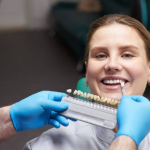



A healthy, attractive smile can improve confidence and make everyday interactions more comfortable. For people with chipped, stained, uneven, misshapen, or slightly gapped teeth, cosmetic dentistry can provide several options. One increasingly popular option is Veneers Treatment in Islamabad, which involves placing thin, custom-made coverings over the visible front surfaces of selected teeth. Veneers can improve tooth shape, colour, and overall smile appearance, but they require careful assessment by a qualified dentist.
What Are Dental Veneers?
Dental veneers are thin shells designed to cover the front surface of teeth. They are generally made from porcelain or composite resin and are custom-designed according to the patient's tooth shape, colour, facial appearance, and smile goals.
Unlike dental crowns, veneers usually cover only the visible front portion of a tooth. They are primarily used for cosmetic improvement rather than replacing missing teeth or treating major structural damage.
Who Can Benefit From Veneers?
Veneers may be considered for people who have cosmetic concerns such as:
- Persistent tooth discolouration
- Minor chips or cracks
- Uneven or worn tooth edges
- Slightly irregular tooth shapes
- Small gaps between teeth
- Teeth that appear disproportionately small or misshapen
However, veneers are not suitable for everyone. Existing cavities, gum disease, significant tooth damage, severe bite problems, or uncontrolled teeth grinding may need to be addressed before cosmetic treatment. A dental examination is important before deciding on veneers.
Types of Veneers Available
The two commonly discussed options are porcelain and composite veneers.
Porcelain veneers are individually fabricated shells that are bonded to the teeth. They are known for their natural appearance and resistance to staining and wear.
Composite veneers use tooth-coloured resin that is applied and shaped directly on the teeth before being hardened and polished. They may require less preparation and can be easier to repair if damaged, although they are generally less resistant to staining and wear than porcelain.
How Does Veneers Treatment Work?
Treatment normally begins with a consultation and dental examination. The dentist evaluates the condition of the teeth and gums and discusses the patient's desired appearance.
For porcelain veneers, some enamel may need to be removed from the tooth surface to create space for the veneer. Digital scans or impressions can then be used to design the veneers. Once the custom veneers are ready, the dentist checks their shape, colour, and fit before permanently bonding them to the teeth.
Composite veneers can generally be shaped directly on the teeth and hardened with a special curing light. Final adjustments and polishing help create a natural-looking result.
Benefits of Veneers
Veneers can provide several cosmetic benefits when appropriately planned. They can help create a more uniform smile, improve the appearance of stained teeth, and address minor chips, gaps, and irregular shapes.
Another advantage is that treatment can be customised. The dentist can consider factors such as tooth colour, proportions, facial features, and the patient's preferred smile appearance when planning the final result.
However, veneers should not be viewed as a replacement for good oral health. Teeth underneath and around veneers still require regular dental care.
Are Veneers Permanent?
Veneers are designed to be long-lasting, but they are not necessarily permanent. Porcelain or composite veneers can eventually chip, crack, loosen, wear, or require replacement.
Patients should also understand that traditional veneer treatment may involve removal of some enamel, making the procedure irreversible. This is why choosing a qualified dentist and discussing alternatives before treatment is important.
Veneers Aftercare
Good oral hygiene is essential after getting veneers. Brush twice daily with fluoride toothpaste and clean between your teeth regularly. Avoid using your teeth to bite hard objects such as pens or fingernails, and take care with very hard foods.
People who grind or clench their teeth may benefit from discussing a protective mouthguard with their dentist. Regular dental check-ups can also help identify problems with the veneers or the underlying teeth at an early stage.
What Pakistani Patients Should Consider
Patients in Islamabad and elsewhere in Pakistan should focus on the dentist's qualifications, treatment planning, materials, laboratory standards, sterilisation practices, and aftercare rather than choosing treatment solely on price. Local listings show that veneer services are available from multiple providers in Islamabad, with costs varying according to the material, number of teeth, and complexity of treatment.
It is also important to avoid unlicensed individuals offering veneer procedures through social media or informal settings. The American Dental Association warns that unsupervised dental procedures can result in complications such as infection, nerve damage, or damage to the natural teeth.
Frequently Asked Questions
Are veneers painful?
Veneer treatment is generally performed with appropriate dental techniques to minimise discomfort. Some patients may experience temporary sensitivity after tooth preparation. Your dentist can explain what to expect based on your individual treatment.
How long do dental veneers last?
The lifespan of veneers varies according to the material used, oral hygiene, bite forces, and daily habits. They may eventually require repair or replacement, so patients should consider veneers a long-term cosmetic treatment rather than a lifetime solution.
Can veneers fix crooked teeth?
Veneers can improve the appearance of mildly irregular or uneven teeth, but they do not physically move teeth like orthodontic treatment. Significant misalignment may require braces or clear aligners instead.
Can I eat normally after getting veneers?
Patients can generally return to normal eating after their dentist confirms that the veneers are properly bonded. It is wise to avoid biting very hard objects and follow any specific dietary instructions provided after treatment.
Are veneers better than teeth whitening?
The right option depends on the problem. Whitening can be suitable for certain types of staining, while veneers can address several cosmetic concerns simultaneously, including shape, minor chips, gaps, and colour. A dentist can determine which option is more appropriate.
Final Thoughts
Dental veneers can be an effective way to improve the appearance of a smile when they are carefully planned and professionally placed. Before choosing Veneers Treatment in Islamabad, Pakistani patients should have their teeth and gums examined, understand the benefits and limitations of treatment, and discuss porcelain, composite, and alternative options with a qualified dentist. Most importantly, cosmetic improvements should be balanced with long-term oral health and realistic expectations.