




A faulty door lock can create an immediate security concern, but replacing the entire lock is not always the right answer. A key that feels stiff, a loose handle, or a door that does not close properly may be caused by a smaller issue that can be repaired or adjusted.
Before purchasing a replacement lock, it is worth understanding what is actually causing the problem. In some cases, repairing one component can restore smooth operation and extend the life of the existing system. In others, replacement is the more sensible choice because the lock is damaged, outdated, or no longer provides adequate security.
For homeowners and businesses dealing with lock problems, a reliable Dubai Locksmith can inspect the system and determine whether repair, adjustment, rekeying, or replacement is appropriate.
Why Proper Lock Diagnosis Matters
A door lock is made up of several components that work together. Depending on the design, these may include the cylinder, latch, deadbolt, strike plate, handle, springs, and other internal parts.
When one component develops a problem, the entire door may appear to be malfunctioning.
For example, a key that refuses to turn could be caused by:
- A worn key
- A damaged cylinder
- Door alignment issues
- Internal wear
- Dirt or debris
- Incorrect installation
Replacing the entire lock without identifying the cause may therefore be unnecessary.
A proper inspection allows the actual problem to be identified before any work is carried out.
When Should You Call a Locksmith?
There are several situations where professional assessment should come before buying a new lock.
1. The Key Is Becoming Difficult to Turn
A key that gradually becomes harder to turn is often an early warning sign.
Possible causes include:
- Worn internal components
- A damaged cylinder
- A bent or worn key
- Dirt inside the lock
- Door alignment problems
Avoid forcing the key because excessive pressure can cause it to break inside the cylinder.
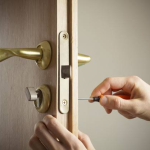
A technician can examine both the key and lock to determine which component is responsible. If the lock remains in good condition, a repair or adjustment may be enough.
2. The Lock Works With the Door Open but Not Closed
This is a common indication of a door alignment problem.
If the key turns normally while the door is open but becomes difficult when the door is closed, the lock may not be the actual problem.
The deadbolt or latch may be hitting the frame or strike plate.
Potential solutions include:
- Adjusting the strike plate
- Correcting the door alignment
- Tightening hinges
- Adjusting the locking mechanism
Replacing the lock without correcting the alignment would not necessarily solve the problem.
3. The Door Handle Is Loose
A loose handle can make a door feel insecure, but it does not always mean the complete lock needs replacing.
The issue may involve:
- Loose screws
- A worn spindle
- Internal handle components
- The latch mechanism
If the cylinder and lock body are still functioning correctly, a smaller repair may restore proper operation.
When Replacing the Lock Is the Better Choice
Repair is not always the right option. There are situations where replacing the lock provides better reliability and security.
1. The Internal Mechanism Is Seriously Damaged
If important internal components are broken or heavily worn, repairing individual parts may not provide dependable long-term performance.
Replacement can offer:
- Better reliability
- Improved security
- Smoother operation
- Lower risk of repeated failure
The condition of the existing lock should be assessed before making the decision.
2. Your Keys Have Been Lost
Losing a key is not simply an inconvenience. It can become a security concern if you do not know where the key ended up.
If someone could identify the property associated with the key, continuing to use the same lock may not be ideal.
Depending on the system, the solution could involve:
- Rekeying
- Cylinder replacement
- Complete lock replacement
The appropriate option depends on the existing hardware and security requirements.
3. You Have Moved Into a New Property
Changing locks after moving into a new home, apartment, villa, or office can provide greater control over access.
Previous occupants may have shared keys with:
- Family members
- Friends
- Contractors
- Maintenance workers
- Cleaning staff
- Property agents
Even when all known keys are returned, there is no easy way to confirm whether additional copies exist.
Replacing or rekeying the lock allows the new occupant to start with a controlled set of keys.
When Repairing a Lock Makes More Sense
A lock does not necessarily need to be replaced simply because it has developed a problem.
Repair may be appropriate when the existing system is:
- Relatively new
- Structurally sound
- Properly suited to the door
- Still providing an acceptable level of security
For example, a technician may be able to correct alignment, replace a small component, or address a cylinder-related issue.
This can save money while keeping a perfectly usable locking system in place.
What About Old Door Locks?
Age is another factor worth considering.
An old lock may still function, but it may no longer provide the level of protection or convenience expected from a modern property.
Consider an upgrade if you notice:
- Frequent jamming
- Excessive wear
- Loose components
- Repeated key problems
- Outdated locking technology
Depending on the property, modern options may include high-security cylinders, anti-snap locks, digital locks, and smart access systems.
A professional Dubai Locksmith can assess the existing hardware and help determine whether upgrading makes more sense than continuing to repair an aging system.
Smart Lock Repair or Replacement?
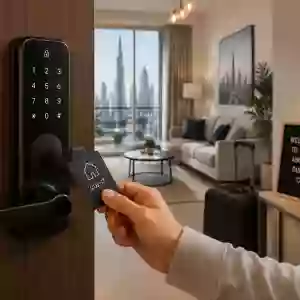
Smart locks combine electronic and mechanical components, so diagnosing their problems requires looking at both sides.
A smart lock may stop working because of:
- Low battery
- Connectivity problems
- Incorrect configuration
- Sensor issues
- Motor problems
- Through alignment
Not every smart lock failure means the unit needs to be replaced.
Sometimes changing the batteries, resetting the system, correcting alignment, or reconfiguring access can resolve the problem.
However, if critical electronic or mechanical components have failed, replacement may provide a more dependable solution.
What Happens During a Professional Lock Inspection?
A professional assessment generally starts by identifying the symptoms and testing the locking system.
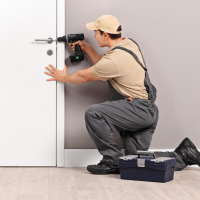
The technician may check:
- The key and cylinder
- Locking and unlocking movement
- Through alignment
- Latch and strike plate
- Handle and hardware
- Visible damage
- Overall security condition
The findings help determine whether the lock should be repaired, rekeyed, adjusted, or replaced.
This approach is preferable to automatically replacing hardware without understanding the actual cause.
Door Locks in Apartments and Villas
Different properties have different security requirements.
Apartments may use:
- Cylinder locks
- Mortise locks
- Smart locks
- Security door systems
Villas can have additional access points such as:
- Main entrances
- Gates
- Garage doors
- Side entrances
- Storage areas
A replacement suitable for an apartment may not necessarily be appropriate for a villa gate or entrance.
The door construction, existing hardware, and desired security level should all be considered before selecting a replacement.
Commercial Properties Require Different Considerations
Offices, retail spaces, warehouses, and other businesses may need more advanced access management.
Commercial security requirements can include:
- Restricted areas
- Multiple authorised users
- Office lock replacement
- Digital access
- Master key systems
- Controlled entry
For example, if an employee loses a key, a business may need to rekey a particular lock rather than replace every lock throughout the property.
The best solution depends on the company's access structure and security requirements.
How to Decide Between Repair and Replacement
Three main factors can help guide the decision.
Condition
If the lock has major physical damage or extensive wear, replacement may be the more reliable option.
Security
If the existing system no longer provides sufficient protection, upgrading may make more sense than repairing it.
Long-Term Reliability
A small repair may be ideal when it restores reliable operation. However, repeatedly repairing the same failing lock can become costly and inconvenient.
The goal should be to choose the solution that provides dependable performance rather than simply the cheapest immediate fix.
Warning Signs You Should Not Ignore
Contact a professional when you notice:
- A key repeatedly gets stuck
- The lock becomes increasingly difficult to operate
- The door does not close correctly
- The cylinder feels loose
- The handle stops working properly
- The lock has visible damage
- There has been an attempted break-in
Addressing these signs early can prevent a minor issue from turning into a complete lockout or security emergency.
How Professional Locksmith Assistance Helps
A qualified Dubai Locksmith does more than simply install replacement hardware.
Professional assistance can help property owners:
- Identify the actual cause of a lock problem
- Avoid unnecessary replacement
- Select suitable security hardware
- Repair damaged components
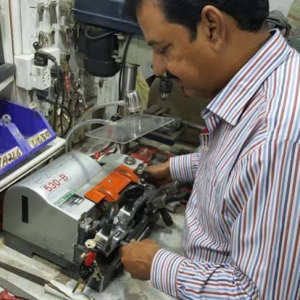
- Rekey existing systems
- Upgrade outdated locks
- Install modern access solutions
This is particularly useful when the customer is unsure whether the existing lock can still be trusted.
Frequently Asked Questions
Does every faulty lock need to be replaced?
No. Some problems are caused by alignment, loose hardware, worn keys, or individual components and may be repairable.
Should I change my locks after losing a key?
If there is a possibility that someone could use the lost key to access your property, rekeying or replacing the lock can be a sensible security measure.
Can a locksmith determine whether repair is possible?
Yes. A professional inspection can identify the condition of the lock and help determine whether repair, adjustment, rekeying, or replacement is appropriate.
Why is my door difficult to lock?
Possible causes include door alignment, a damaged cylinder, worn hardware, or a problem with the latch.
Can smart locks be repaired?
Some issues can be resolved through battery replacement, resetting, configuration, or mechanical adjustment. Serious electronic or mechanical failures may require replacement.
Final Thoughts
Replacing a door lock is sometimes the right decision, but it should not automatically be the first one.
A proper inspection can reveal whether the problem is actually caused by the key, cylinder, door alignment, handle, internal mechanism, or the overall condition of the locking system.
For property owners in Dubai, consulting a trusted Dubai Locksmith before purchasing replacement hardware can help avoid unnecessary expenses and ensure the chosen solution addresses the real problem.
If the existing lock can be repaired safely and reliably, there may be no reason to replace it. If the system is damaged, outdated, compromised, or no longer suitable for the property, a new lock can provide improved security and peace of mind.
The key is to make the decision based on the condition and security needs of the property rather than replacing a lock simply because it has developed one problem.