

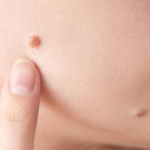




Moles are common skin growths that can appear on the face, neck, arms, back, and other parts of the body. While many moles are harmless, some people consider removing them for cosmetic reasons, particularly when they are visible or cause irritation. However, choosing the right mole removal method requires more than simply selecting a treatment based on appearance or convenience.
Professional guidance helps patients understand their skin concerns, explore suitable treatment options, and identify signs that may require medical assessment. For people considering mole removal in Islamabad, a qualified healthcare professional can explain the potential benefits, limitations, risks, and expected recovery associated with different procedures. This approach supports safer decisions and helps patients develop realistic expectations before undergoing treatment.
Why Professional Guidance Matters for Mole Removal
Every mole has individual characteristics, including its size, colour, shape, location, and depth. These factors can influence whether removal is appropriate and which approach may be suitable. A professional assessment also helps distinguish cosmetic concerns from changes that require further investigation.
During an initial consultation, a qualified professional may:
-
Examine the mole's appearance, size, location, and overall characteristics.
-
Ask whether the mole has changed in colour, shape, size, or texture.
-
Review relevant medical history and previous skin treatments.
-
Explain suitable removal methods and their possible limitations.
-
Discuss scarring, pigmentation changes, healing time, and aftercare.
This personalised approach helps patients avoid choosing a procedure based solely on online recommendations or promotional claims. Most importantly, it establishes whether the mole should be assessed by a dermatologist before any cosmetic removal is considered.
Understanding Different Mole Removal Options
Mole removal is not a one-size-fits-all procedure. The appropriate method depends on the type of mole, its characteristics, its location, and whether a medical diagnosis is necessary.
Surgical Excision
Surgical excision involves removing the mole and, when appropriate, a small amount of surrounding tissue. This method may be recommended for certain raised or deeper moles and can allow tissue to be sent for laboratory examination.
Patients should understand that excision may require stitches and can leave a scar. A healthcare professional can explain the expected healing process and whether this approach is appropriate for the particular mole.
Shave Removal
Shave removal involves removing a raised skin growth using a specialised instrument. It may be suitable for selected raised moles after professional assessment. However, it is not appropriate for every mole, particularly when deeper removal or complete tissue assessment is required.
Laser Treatment
Laser treatment may be considered for certain selected pigmented lesions, depending on their diagnosis and characteristics. However, laser treatment is generally not the first choice for an undiagnosed pigmented mole because it may destroy tissue needed for examination and can leave pigmentation changes.
A professional should first establish whether laser treatment is appropriate or whether another method would be safer.
Recognising When a Mole Needs Medical Assessment
Although many moles are benign, changes in their appearance should never be ignored. Professional guidance is particularly important when a mole develops unusual characteristics.
Watch for the following warning signs:
-
Asymmetry: One half looks different from the other.
-
Border changes: The edges become irregular or poorly defined.
-
Colour variation: Multiple colours or new dark areas appear.
-
Diameter: The mole becomes larger, especially if it exceeds approximately 6 mm.
-
Evolution: The mole changes in size, shape, colour, or sensation.
A mole that bleeds without an obvious cause, develops a persistent sore, or becomes increasingly itchy should also be assessed promptly. Melanoma can sometimes appear smaller than 6 mm, so size alone cannot determine whether a mole is harmless.
If a mole looks suspicious, a dermatologist may recommend dermoscopic examination, biopsy, or surgical removal with histopathological testing. Cosmetic treatment should not delay this assessment.
How Consultation Helps You Make an Informed Decision
A professional consultation gives patients the opportunity to discuss their concerns and understand what a procedure can realistically achieve. It also allows the healthcare professional to explain why one technique may be preferable to another.
Before proceeding, patients should ask:
-
Is the mole suitable for cosmetic removal?
-
Does it need dermoscopic examination or a biopsy?
-
Which removal method is recommended, and why?
-
What are the risks of scarring or pigmentation changes?
-
Will the removed tissue be sent for laboratory testing?
-
How should the area be cared for during recovery?
Clear answers help patients compare treatment options based on safety, suitability, and clinical reasoning rather than price alone. Patients should also understand that no removal method can guarantee a completely scar-free result.
What to Expect During Recovery
Recovery depends on the removal technique, the mole's location, and individual healing characteristics. Some procedures create a small wound that requires dressing and careful cleaning, while others may involve stitches and a longer healing period.
Following professional aftercare instructions can help reduce complications. General guidance may include:
-
Keep the treated area clean and follow the recommended wound-care routine.
-
Avoid picking scabs or disturbing stitches.
-
Protect healing skin from excessive sun exposure.
-
Attend follow-up appointments when recommended.
-
Contact a healthcare professional if increasing redness, swelling, pain, pus, or fever develops.
Patients should remember that redness and changes in pigmentation may take time to settle. Final cosmetic results cannot always be judged immediately after treatment.
Choosing a Mole Removal Clinic in Islamabad
Selecting a suitable clinic involves evaluating professional qualifications, assessment practices, hygiene standards, and the availability of appropriate follow-up care. Patients should look for a provider who explains the diagnosis, discusses alternatives, and refers suspicious lesions for specialist evaluation when necessary.
SKN Cosmetics in Islamabad can be considered by individuals exploring cosmetic skin treatments and seeking information about mole removal options. Before proceeding, patients should confirm that the clinic offers the specific service they need, that the treating professional has appropriate qualifications and experience, and that arrangements are available for dermatological assessment or laboratory testing when indicated.
A responsible treatment experience should prioritise skin health, informed consent, realistic expectations, and personalised recommendations rather than promising identical results for every patient.
Making a Confident and Informed Choice
Professional guidance makes mole removal decisions more informed by helping patients understand their skin concerns, compare appropriate procedures, and recognise when medical investigation is necessary. Whether the concern involves a raised facial mole or a growth that has recently changed, the first step should be an appropriate clinical assessment.
For anyone considering mole removal in Islamabad, prioritising professional evaluation, transparent communication, and proper aftercare can help support a safer treatment journey. The most suitable option is the one that addresses the patient's concern while protecting their long-term skin health.
Frequently Asked Questions
Is mole removal safe?
It is generally safe when appropriately assessed and performed by a qualified professional, although complications and scarring are possible.
Which mole removal method is best?
The best method depends on the mole's characteristics, diagnosis, location, and depth.
Can laser treatment remove moles?
Laser may be suitable for selected lesions, but suspicious or undiagnosed pigmented moles need medical assessment first.
Does mole removal leave a scar?
Yes, scarring is possible. Its appearance depends on the technique, location, and individual healing.
How do I choose a mole removal clinic in Islamabad?
Check professional qualifications, assessment procedures, hygiene standards, aftercare, and access to biopsy or specialist referral when needed.