


Chemical peels are a popular cosmetic skin treatment for improving the appearance and texture of the skin. They work by applying a carefully selected chemical solution to the skin, encouraging the removal of damaged outer layers and revealing fresher-looking skin underneath. Depending on the type and strength of the peel, treatment may help address acne, uneven skin tone, pigmentation, dullness, rough texture, and some signs of sun damage.
For people considering Chemical Peels in Islamabad, understanding what happens before, during, and after treatment can make the experience more comfortable and help set realistic expectations.
What Are Chemical Peels?
Chemical peels use specific acids or chemical solutions to exfoliate the skin at controlled depths. Peels can range from mild treatments with little downtime to stronger peels that require a longer recovery period.
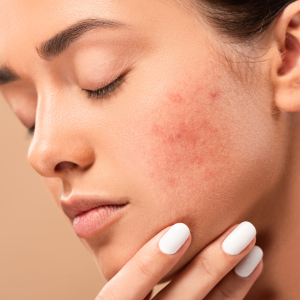
A dermatologist chooses the appropriate peel according to your skin type, concerns, treatment goals, and overall skin condition. Chemical peels may be used to improve acne, discoloration, uneven skin tone, fine lines, roughness, and a dull complexion.
What to Expect Before Treatment
The process usually starts with a consultation and skin assessment. Your provider may ask about your current skincare routine, medications, previous cosmetic procedures, history of cold sores, and whether your skin tends to scar easily. These details can help determine whether a chemical peel is suitable for you.
Some patients may need a pre-peel skincare routine for several weeks before treatment. This can help prepare the skin and reduce the risk of certain side effects. Your provider may also recommend avoiding excessive sun exposure and adjusting certain skincare products before the procedure.
People with darker skin tones should choose an experienced professional because inappropriate peel selection or application may increase the risk of unwanted pigmentation.
What Happens During a Chemical Peel?
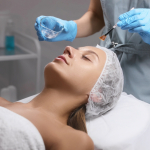
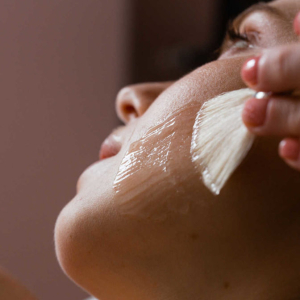
On treatment day, the skin is thoroughly cleansed to remove oil, makeup, and other impurities. The selected chemical solution is then applied evenly to the treatment area.
During application, you may experience warmth, tingling, or mild stinging. The intensity depends on the strength and type of peel. The provider carefully monitors the skin and follows the appropriate treatment time.
Afterward, the solution is removed or neutralized when necessary, and soothing skincare products may be applied. Mild peels are generally quicker and involve less downtime, while medium or deep peels require more extensive aftercare.
What to Expect After Treatment
Your skin may initially appear red, feel tight, or become slightly sensitive. Depending on the peel, peeling or scaling may develop as the skin heals.
A mild or “lunchtime” peel may involve around one to seven days of healing, while medium peels can require approximately seven to fourteen days. Deeper peels require significantly longer recovery and more intensive aftercare.
It is important not to pick, scratch, or pull peeling skin. Doing so can increase the risk of irritation, infection, or scarring. Follow the skincare instructions provided by your dermatologist and keep the skin moisturized as directed.
Sun protection is particularly important after a peel. Once your skin has healed sufficiently, daily sunscreen can help protect the newly treated skin and maintain your results.
When Will You See Results?
Results vary according to the type of peel and the concern being treated. As the skin heals, it may gradually appear smoother, brighter, and more even.
Some people may need multiple mild or medium treatments to achieve their desired improvement. The number and timing of sessions should be determined according to your skin's response and treatment goals rather than following a fixed schedule.
Are Chemical Peels Safe?
Chemical peels can be safe when appropriately selected and performed by a qualified, trained professional. However, temporary redness, pigmentation changes, irritation, and other side effects can occur. The risk may increase when treatments are performed incorrectly or when aftercare instructions are ignored.
For this reason, professional assessment is important, particularly if you have sensitive skin, pigmentation concerns, or a history of skin reactions.
Frequently Asked Questions
How long does a chemical peel take?
The actual application is usually relatively quick, although the complete appointment can vary depending on the type of peel and preparation required.
Can chemical peels help acne?
Certain chemical peels may help acne by removing dead skin cells and excess oil that can contribute to clogged pores. Your provider can determine whether a peel is appropriate for your acne.
How much downtime is required?
Downtime depends on the peel. Mild treatments may involve only a few days of redness or scaling, while medium and deeper peels require longer recovery periods.
Can I wear makeup after a chemical peel?
The timing depends on the depth of the peel and how quickly your skin heals. Mild peels may allow makeup relatively soon, whereas stronger peels require a longer waiting period.
Can chemical peels treat pigmentation?
Chemical peels can help improve certain types of discoloration and uneven skin tone. However, the appropriate peel depends on the cause of pigmentation and your individual skin type.
Final Thoughts
Choosing Chemical Peels in Islamabad can be an effective way to refresh the appearance of the skin when the treatment is appropriately selected and professionally performed. Understanding the consultation process, treatment experience, recovery period, and aftercare requirements can help you prepare properly. For the safest approach, discuss your skin concerns and expectations with a qualified skincare professional before undergoing treatment.