

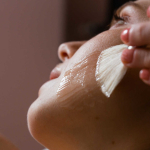

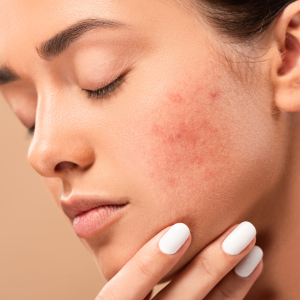

Chemical peels are popular cosmetic skin treatments designed to improve skin texture, reduce uneven pigmentation, manage acne-related concerns, and promote a brighter appearance. However, choosing the right clinic is just as important as selecting the treatment itself. A chemical peel involves applying a carefully selected chemical solution to exfoliate the outer layers of the skin, so professional assessment and proper application are essential for achieving suitable results.
If you are considering a chemical peel in Islamabad, you should evaluate the clinic's qualifications, treatment approach, hygiene standards, and patient care before making a decision. Not every clinic offers the same level of expertise or treatment options. Understanding what to look for can help you make an informed choice and reduce the risk of unnecessary skin complications.
Here are five important things to consider before choosing a chemical peel clinic.
1. Check the Qualifications and Experience of Skin Professionals
The first factor to consider is the professional experience of the person performing your chemical peel. Different chemical peels have different strengths and applications, and choosing an unsuitable treatment may cause irritation, burns, or pigmentation changes.
A qualified skin professional should understand skin anatomy, common skin conditions, and the appropriate use of chemical exfoliating agents.
Before selecting a clinic, consider the following:
-
Professional qualifications: Check the practitioner's relevant education, training, and credentials.
-
Treatment experience: Ask how frequently they perform chemical peel procedures.
-
Skin knowledge: Ensure they understand different skin types, including sensitive, oily, dry, and acne-prone skin.
-
Treatment selection: A professional should recommend a peel based on your skin condition rather than offering the same procedure to everyone.
An experienced practitioner should also explain the expected benefits, possible side effects, and limitations of the procedure. Avoid choosing a clinic based only on promotional offers or attractive prices.
2. Look for a Personalized Skin Assessment and Consultation
A professional consultation is an essential part of chemical peel treatment. Every individual has different skin concerns, sensitivities, and treatment requirements. Therefore, a clinic should evaluate your skin before recommending a particular chemical peel.
During the consultation, the practitioner should examine your skin and discuss your expectations.
A proper skin assessment may include:
-
Identifying acne, acne marks, pigmentation, and uneven skin tone.
-
Evaluating skin sensitivity and dryness.
-
Reviewing your skincare products and current routine.
-
Discussing previous cosmetic procedures and relevant skin reactions.
-
Understanding your medical history and any factors that may affect treatment suitability.
Based on this assessment, the practitioner may recommend a superficial, medium-depth, or another appropriate peel.
For example, someone experiencing mild dullness may require a different approach from someone dealing with persistent pigmentation or acne-related marks.
A personalized treatment plan helps ensure that the selected peel matches your skin's needs. It also allows the practitioner to explain realistic results and determine whether chemical peels are suitable for you.
3. Evaluate Clinic Hygiene, Equipment, and Safety Standards
Safety and cleanliness should never be overlooked when selecting a chemical peel clinic. Although chemical peels are generally performed as non-surgical cosmetic procedures, they still require proper handling, application techniques, and professional supervision.
A reliable clinic should maintain appropriate hygiene standards and follow established treatment protocols.
Consider these important safety factors:
-
Clean treatment rooms: The treatment environment should be properly cleaned and maintained.
-
Quality products: Ask about the chemical peel ingredients, product sources, and suitability for your skin.
-
Proper application: The practitioner should follow appropriate application and removal procedures.
-
Safety precautions: The clinic should understand how to manage irritation and unexpected skin reactions.
-
Patient screening: Relevant contraindications, allergies, and skin conditions should be assessed before treatment.
You should also ask whether the clinic provides clear instructions about sun protection and skincare before and after the procedure.
A professional clinic will never guarantee perfect results or ignore potential risks. Instead, it will explain the treatment process honestly and prioritize your skin health.
4. Compare Treatment Options and Expected Results
Not every chemical peel addresses the same skin concern. Different formulations and concentrations are used depending on the treatment objective, skin condition, and individual suitability.
Before choosing a clinic, understand whether it offers appropriate treatment options for your specific concerns.
Some commonly used chemical peel ingredients include:
-
Glycolic Acid: Often used to improve skin texture and address mild uneven pigmentation.
-
Salicylic Acid: Commonly used for oily and acne-prone skin.
-
Lactic Acid: A gentler exfoliating option that may be considered for certain dry or sensitive skin types.
-
TCA (Trichloroacetic Acid): Used in selected medium-depth peeling procedures under appropriate professional supervision.
A trustworthy clinic should explain which ingredients are suitable for your skin and why.
It is equally important to understand that chemical peel results vary from person to person. Factors such as skin type, pigmentation depth, treatment strength, and aftercare can influence the outcome.
Ask your practitioner about:
-
The expected number of sessions.
-
The approximate recovery period.
-
Possible temporary redness, peeling, or sensitivity.
-
The expected improvement in your particular skin concern.
-
Whether maintenance sessions may be required.
Choosing a clinic that provides realistic expectations can help you avoid disappointment and make better treatment decisions.
5. Review Aftercare Guidance, Follow-Up, and Clinic Reputation
Your chemical peel journey does not end when the procedure is completed. Proper aftercare plays an important role in protecting the skin barrier and supporting recovery.
A professional clinic should provide detailed post-treatment instructions and explain what to expect during the healing process.
Important aftercare recommendations may include:
-
Apply a broad-spectrum sunscreen as directed by your practitioner.
-
Avoid unnecessary direct sun exposure.
-
Use gentle skincare products during recovery.
-
Avoid scrubbing, exfoliating acids, and retinoids until your practitioner advises that they are safe to resume.
-
Do not pick or pull peeling skin.
-
Follow the recommended moisturizing routine.
You should also research the clinic's reputation before booking an appointment. Patient reviews, professional experience, treatment information, and consultation quality can help you evaluate its credibility.
Look for a clinic that:
-
Communicates clearly about treatment procedures.
-
Provides realistic information about results.
-
Offers appropriate follow-up support.
-
Answers questions about potential risks.
-
Maintains transparent treatment pricing.
A clinic that values patient education and ongoing support is often a better choice than one focused only on selling cosmetic procedures.
Choosing a Chemical Peel Clinic in Islamabad
When exploring chemical peel clinics in Islamabad, patients should prioritize professional assessment, treatment safety, and personalized skincare recommendations. SKN Cosmetics in Islamabad is one clinic patients can consider when exploring professional cosmetic and skin treatment options. Before proceeding, prospective patients should arrange a consultation to discuss their skin concerns, available chemical peel options, practitioner qualifications, and suitability for treatment.
The right clinic should help you understand the complete procedure, including preparation, application, recovery, and expected outcomes. Rather than choosing a provider based entirely on cost or advertising, focus on professional guidance and a treatment plan that considers your individual skin requirements.
Frequently Asked Questions (FAQs)
Q1. How do I choose the best chemical peel clinic?
Choose a clinic with qualified professionals, proper hygiene, personalized consultations, and clear aftercare instructions.
Q2. Are chemical peels suitable for all skin types?
No. Treatment suitability depends on skin type, sensitivity, medical history, and specific skin concerns.
Q3. How many chemical peel sessions are needed?
The number varies depending on the peel type, skin condition, and desired results.
Q4. Are chemical peels safe for sensitive skin?
Some gentle peels may be suitable, but a professional skin assessment is necessary before treatment.
Q5. What should I avoid after a chemical peel?
Avoid direct sun exposure, harsh exfoliants, picking peeling skin, and irritating skincare products during recovery.
Final Thoughts
Choosing the right chemical peel clinic requires more than comparing treatment prices or looking at promotional offers. Professional qualifications, personalized skin assessments, hygiene standards, suitable treatment options, and proper aftercare all contribute to a safer treatment experience. By considering these five factors, you can make a more informed decision and find a clinic that prioritizes your skin health. Always consult a qualified professional before starting a chemical peel to determine whether the procedure is appropriate for your skin concerns and expectations.