

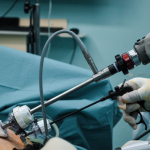






Laparoscopic surgery, often called keyhole surgery, is a modern approach that allows surgeons to perform many procedures through small incisions rather than one large abdominal opening. It uses a thin camera and specialized instruments to view and treat internal organs. Because the incisions are smaller, laparoscopic surgery is generally associated with less postoperative pain, shorter hospital stays, and faster recovery than many traditional open procedures.
For patients considering Laparoscopic Surgery in Islamabad, understanding how this technique works, its potential benefits, and its limitations can help them make informed decisions with their healthcare provider.
What Is Laparoscopic Surgery?
During laparoscopic surgery, the surgeon makes small incisions in the abdomen and inserts a laparoscope—a thin tube equipped with a camera and light. Carbon dioxide gas may be introduced into the abdominal cavity to create enough space for the surgeon to see and operate safely. Additional small incisions can be used to insert surgical instruments.
The procedure is usually performed under general anesthesia. Depending on the condition being treated, laparoscopy may be used for both diagnosis and treatment.
Conditions That May Be Treated
Laparoscopic techniques can be used for several abdominal and pelvic procedures. Common examples include gallbladder removal, appendix removal, certain hernia repairs, some gynecological procedures, and selected gastrointestinal operations. It may also be used to investigate unexplained abdominal or pelvic symptoms.
However, laparoscopic surgery is not appropriate for every patient or every surgical condition. The decision depends on the patient's health, the complexity of the procedure, previous surgeries, and the surgeon's assessment.
Why Is Laparoscopic Surgery Considered Less Invasive?
Traditional open surgery may require a relatively large incision to access the surgical area. Laparoscopic surgery uses several much smaller openings, which can reduce the amount of tissue disruption.
Potential advantages can include:
- Smaller surgical scars
- Less postoperative discomfort
- Reduced wound-related problems
- Shorter hospital stays in many procedures
- Earlier return to normal activities
- Faster overall recovery for suitable patients
Minimally invasive surgery is generally associated with less pain and shorter hospitalization, although individual outcomes vary according to the procedure and patient's health.
What to Expect Before Surgery
Before laparoscopic surgery, the healthcare team will review your medical history, medications, allergies, previous operations, and overall health. You may need blood tests, imaging, or other investigations depending on the planned procedure.
Patients are commonly given instructions about eating, drinking, medications, smoking, and arrangements for transportation after surgery. Following these instructions carefully can help reduce avoidable complications.
Recovery After Laparoscopic Surgery
Recovery varies depending on the type and complexity of surgery. Some patients can return home the same day or after an overnight stay, while more complex procedures may require longer hospitalization.
Mild abdominal discomfort, bloating, tiredness, bruising, and shoulder discomfort can occur after laparoscopy. Shoulder pain can result from the gas used during the procedure and commonly settles as the gas is absorbed.
During recovery, patients should follow their surgeon's instructions regarding wound care, physical activity, medication, diet, and follow-up appointments. Avoiding strenuous activity until medically advised can support proper healing.
Is Laparoscopic Surgery Completely Risk-Free?
Although laparoscopic surgery is considered a well-established surgical technique, it is not completely risk-free. Possible complications include infection, bleeding, blood clots, anesthesia-related problems, hernia, or injury to nearby organs or blood vessels. In some situations, the surgeon may need to convert a laparoscopic procedure to open surgery for safety.
Patients should discuss their individual risks and expected benefits with a qualified surgeon before deciding on treatment.
How to Choose the Right Surgical Approach in Islamabad
When considering laparoscopic surgery, patients should focus on more than simply choosing a minimally invasive option. The most appropriate technique depends on the medical condition and the patient's individual circumstances.
A proper consultation should cover the purpose of surgery, available alternatives, expected recovery, potential complications, and whether laparoscopic treatment is suitable. Asking questions and understanding the proposed procedure can help patients make a more informed healthcare decision.
Frequently Asked Questions
Is laparoscopic surgery safer than open surgery?
Laparoscopic surgery can offer advantages such as smaller incisions, less pain, and quicker recovery for suitable procedures. However, safety depends on the patient's condition, the specific operation, and the surgical team.
How long does it take to recover from laparoscopic surgery?
Recovery varies significantly. Simple diagnostic procedures may require a relatively short recovery, while more complex laparoscopic operations can take several weeks for complete recovery.
Will laparoscopic surgery leave scars?
Yes. Laparoscopic surgery requires small incisions, so patients generally have smaller scars than with many open procedures. The number and location of scars depend on the operation.
Can every patient have laparoscopic surgery?
No. Laparoscopic surgery is not suitable for every patient or every condition. A surgeon must evaluate the medical problem, previous surgeries, general health, and complexity of the procedure before recommending the approach.
What are the common side effects after laparoscopy?
Temporary abdominal discomfort, bloating, tiredness, bruising, and shoulder pain can occur. Severe or worsening pain, fever, persistent vomiting, wound redness or discharge, or breathing difficulties should receive prompt medical attention.
Final Thoughts
Laparoscopic surgery has transformed many surgical procedures by providing a less invasive alternative to traditional open techniques. Smaller incisions, potentially reduced discomfort, shorter hospital stays, and faster recovery make it an important option for appropriately selected patients. For anyone considering Laparoscopic Surgery in Islamabad, a personalized consultation with a qualified healthcare professional is essential to determine whether keyhole surgery is suitable for their condition and overall health.