

The moment you enter Langtang Valley, the landscape begins to change. Green hills slowly turn into rocky mountain paths, and the air becomes cooler as you climb higher. The Langtang Valley Trek is a great choice for travelers who want to enjoy Nepal’s mountains, local culture, and beautiful views. Knowing the altitude before your trip can help you prepare well and enjoy the journey.
Starting the Trek at a Lower Altitude
The Langtang Valley Trek usually begins from Syabrubesi, which sits at around 1,550 meters above sea level. The lower part of the trail has a warm feel, with green forests, rivers, and small villages.
As you walk higher, you will notice changes in the weather and landscape. The trail passes through forests filled with pine, oak, and rhododendron trees. The steady rise gives your body time to adjust to the increasing altitude.
Climbing Higher Into Langtang Valley
As the trek continues, you reach places such as Lama Hotel and Langtang Village. Lama Hotel is around 2,470 meters, while Langtang Village is about 3,430 meters high.
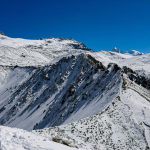
At these elevations, the mountain scenery becomes more impressive. You can see snow-covered peaks and large rocky hills around the valley. The air also becomes thinner, so walking slowly is important.
Taking short breaks and drinking enough water can help you stay comfortable during the climb.
Kyanjin Gompa and the Highest Point
One of the main stops on the trek is Kyanjin Gompa, which sits at around 3,870 meters. This beautiful mountain settlement is surrounded by impressive peaks and open landscapes.
Many trekkers spend an extra day here for rest and exploration. From Kyanjin Gompa, you can take short hikes to nearby viewpoints and enjoy wide views of the Langtang mountains.
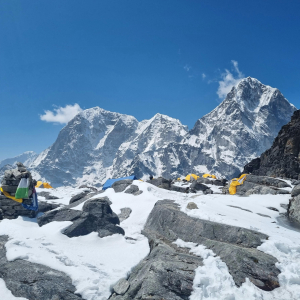
For a bigger challenge, trekkers can climb Tserko Ri, which reaches about 4,984 meters. The climb is steep and demanding, but the views from the top can be amazing.
Why Altitude Matters
Altitude is one of the biggest things to consider when trekking in the Langtang region. As you climb higher, the air contains less oxygen. Your body needs time to adjust to these conditions.
Some people may experience tiredness, mild headaches, or shortness of breath. Walking at a steady pace and taking proper rest can help. It is also important to tell your guide if you feel unwell.
Do not rush to reach the highest point. A slow and steady trek is safer and more enjoyable.
Prepare Your Body for the Trek
You do not need to be a professional athlete to trek in Langtang Valley. However, some basic preparation can make the journey easier.
Start walking regularly before your trip. Hiking, climbing stairs, and simple cardio exercises can help improve your strength and stamina. It is also useful to practice walking for several hours at a time.
Good trekking shoes, warm clothing, a waterproof jacket, and a comfortable backpack are also important.
Trekking With Amble Himalaya
Planning a trek at higher altitudes can feel easier with experienced support. Amble Himalaya provides trekking and travel services for visitors exploring Nepal. They can help with trek planning, experienced guides, permits, transportation, accommodation, and other travel arrangements.
Their support can be useful for trekkers who want to explore Langtang Valley with better planning and local guidance. An experienced guide can help you maintain a suitable walking pace, understand the trail, and adjust plans when needed.
Enjoy the Journey, Not Just the Altitude
The Langtang Valley Trek is more than a journey to a high point. It is a chance to walk through forests, visit mountain villages, experience local culture, and enjoy beautiful Himalayan scenery.
From the 1,550-meter starting point at Syabrubesi to the 3,870-meter Kyanjin Gompa and the higher Tserko Ri viewpoint, the changing altitude makes the trek exciting. With good preparation, a steady pace, and the right support, Langtang Valley can become a memorable Himalayan adventure.