

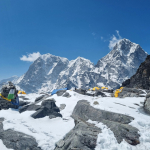
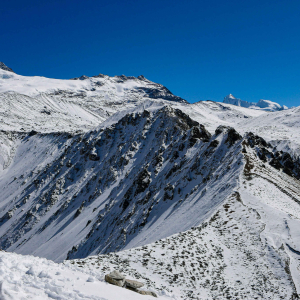
The first time you see Mount Everest shining above the clouds, it feels like a dream. Snow-covered peaks rise into the sky, prayer flags dance in the wind, and every step brings a new adventure. But while this trek is one of the most beautiful journeys in the world, every traveler should understand the Risk at Everest Base Camp before starting. Knowing these risks can help you stay safe and enjoy the experience. With expert support from Amble Himalaya, including experienced guides, permit arrangements, accommodation booking, transportation, and trekking assistance, many trekkers feel more prepared for this unforgettable adventure.
Trek Facts at a Glance
Before looking at the risks, it helps to understand a few important facts about the Everest Base Camp Trek.
- Average Trek Length: 12–14 days
- Total Distance: Around 130 kilometers (80 miles) round trip
- Maximum Elevation: 5,364 meters (17,598 feet) at Everest Base Camp
- Highest Overnight Stay: Gorak Shep at 5,164 meters (16,942 feet)
These numbers show why preparation is important. The trail is long, and the high altitude creates challenges that every trekker should respect.
Altitude Sickness: The Biggest Risk
Altitude sickness is the most common and serious risk on the Everest Base Camp Trek. As you climb higher, the air becomes thinner. Your body gets less oxygen with every breath.
Symptoms may include:
- Headache
- Dizziness
- Nausea
- Loss of appetite
- Trouble sleeping
- Extreme tiredness
Many trekkers experience mild symptoms. However, serious altitude sickness can become dangerous if ignored. The best way to stay safe is to climb slowly, drink plenty of water, and follow a proper acclimatization schedule. Rest days in places like Namche Bazaar and Dingboche help your body adjust to the altitude.
Unpredictable Mountain Weather
Weather in the Everest region can change very quickly. A sunny morning can become cloudy, windy, or snowy within a few hours.
Strong winds, snowfall, and freezing temperatures are common, especially during winter and early spring. Poor weather can delay flights to Lukla and affect trekking plans.
Trekkers should always carry warm clothing, waterproof gear, gloves, hats, and extra layers. Being prepared for changing weather conditions makes the journey safer and more comfortable.
Physical Exhaustion and Fatigue
The Everest Base Camp Trek is not a technical climb, but it requires good physical fitness. Walking for several hours each day at high altitude can be tiring.
Many trekkers underestimate how much energy the trek requires. Steep climbs, rocky trails, and cold temperatures can make each day challenging.
Preparing before the trek helps a lot. Regular walking, hiking, and cardio exercises can improve endurance and reduce fatigue on the trail.
Trail Injuries and Accidents
Most sections of the Everest Base Camp trail are safe, but accidents can still happen. Uneven paths, loose rocks, and slippery sections increase the risk of falls.
Common injuries include:
- Sprained ankles
- Knee pain
- Muscle strains
- Minor cuts and bruises
Good trekking boots, trekking poles, and careful walking can reduce the chance of injury. Trekkers should avoid rushing and pay attention to the trail, especially during difficult sections.
Stomach Problems and Dehydration
Food and water are important during the trek. However, some travelers experience stomach issues because of changes in diet, water quality, or altitude.
Drinking untreated water can increase the risk of illness. Trekkers should use water purification tablets, filters, or boiled water whenever possible.
Dehydration is another common problem. The dry mountain air and physical effort can cause your body to lose water quickly. Drinking enough water every day is essential for both health and acclimatization.
Flight Delays to Lukla
Most Everest Base Camp treks begin with a flight to Lukla Airport. This airport is famous for its dramatic location and changing weather conditions.
Flights are often delayed or canceled due to fog, clouds, or strong winds. These delays can affect travel schedules and sometimes require extra days in Kathmandu.
It is wise to include a few spare days in your itinerary. This flexibility helps reduce stress if travel plans change unexpectedly.
Why Trekking With a Reliable Company Matters
Many of the risks on the Everest Base Camp Trek can be managed with proper planning and expert guidance. This is where a professional trekking company becomes valuable.
Amble Himalaya supports trekkers with experienced local guides who understand the trail, weather patterns, and altitude challenges. Their services include airport transfers, transportation arrangements, accommodation booking, permit processing, customized itineraries, porter services, and on-trek assistance. Having knowledgeable support allows trekkers to focus on enjoying the journey while reducing many common travel concerns.
Tips to Stay Safe on the Everest Base Camp Trek
Here are a few simple safety tips:
- Walk slowly and steadily.
- Stay hydrated throughout the trek.
- Eat nutritious meals.
- Listen to your guide.
- Dress in layers.
- Carry a basic first-aid kit.
- Get travel insurance.
- Allow enough time for acclimatization.
- Never ignore symptoms of altitude sickness.
Following these tips can make a huge difference in your trekking experience.
Final Thoughts
The Everest Base Camp Trek is one of the world's greatest adventures. The mountain views, Sherpa culture, and sense of achievement make every step worthwhile. Yet understanding the Risk at Everest Base Camp is an important part of planning a successful journey. From altitude sickness and weather changes to fatigue and flight delays, each challenge can be managed with preparation and the right support. With professional services from Amble Himalaya, including expert guides, customized trekking plans, accommodation, permits, transportation, and ongoing assistance, trekkers can explore the Everest region with greater confidence and peace of mind. The mountains will always present challenges, but careful planning can turn those challenges into unforgettable memories.