




Hair thinning and reduced hair density are common concerns for both men and women. While traditional hair-loss treatments may help manage shedding, newer regenerative approaches are attracting attention for their potential to support healthier-looking hair. Exosomes Hair Therapy in Islamabad is one such treatment that is being explored for improving the appearance of thinning hair and supporting the scalp environment.
Exosomes are microscopic extracellular vesicles released by cells. They contain signaling molecules, proteins, and other biological components that may help communicate with surrounding cells. In hair treatments, exosome-based products are applied or delivered to the scalp with the goal of supporting follicle activity and improving the overall condition of the scalp.
How Can Exosomes Affect Hair Density?
Hair density refers to the number of hairs growing within a particular area of the scalp. When follicles become weaker or produce progressively thinner strands, the scalp can become more visible.
Exosome-based therapy is intended to support communication between cells involved in tissue repair and regeneration. Researchers are investigating whether these signals can encourage a healthier environment around hair follicles.
Potential effects may include:
- Supporting follicular activity
- Improving the scalp environment
- Helping hair strands appear thicker
- Potentially reducing the appearance of thinning
- Supporting healthier hair growth cycles
However, results can vary considerably. Exosomes should not be considered a guaranteed method for restoring lost hair, particularly when follicles have been inactive for a long period.
What Does the Treatment Involve?
Before treatment, a qualified professional should assess the patient's hair loss pattern, scalp condition, medical history, and expectations. This assessment is important because hair thinning can have many causes, including hereditary hair loss, nutritional deficiencies, hormonal changes, stress, and certain medical conditions.
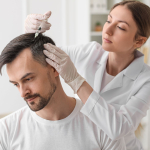
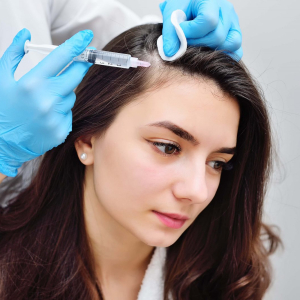
During an exosome-based hair treatment, the scalp is generally prepared and the selected exosome formulation is applied or introduced into the targeted scalp area according to the treatment protocol. The exact technique can vary depending on the product and provider.
Because exosome products and protocols are not all identical, patients should ask what type of product is being used, how it is sourced, and what evidence supports its use.
How Long Does It Take to See Improved Density?
Hair growth is naturally slow, so improvements in density are not usually immediate. Some people may notice changes in hair shedding or texture before they see a visible difference in overall fullness.
The timeline can depend on factors such as:
- The underlying cause of hair loss
- Existing follicle health
- Age and general health
- The severity of thinning
- Treatment protocol
- Individual response
A realistic approach is important. Multiple sessions may sometimes be recommended, but the appropriate schedule should be determined after an individual assessment rather than following a fixed plan for everyone.
Who May Benefit From Exosome Hair Therapy?
Exosome therapy may be considered for individuals experiencing certain types of early or moderate hair thinning, particularly when viable follicles are still present. It may be more useful as a follicle-supporting approach than as a way to replace completely lost follicles.
People with sudden or unexplained hair loss should first seek an appropriate medical evaluation. Identifying the underlying cause can help determine whether exosome therapy is suitable or whether another treatment is more appropriate.
Exosomes vs. Other Hair Restoration Treatments
Exosome therapy is different from procedures such as hair transplantation because it does not transplant follicles from one part of the scalp to another. It is also different from established medical treatments that work through specific pharmacological mechanisms.
Some patients may discuss combining regenerative treatments with other hair-loss approaches. Whether combination therapy is appropriate depends on the diagnosis, treatment history, and individual goals.
A qualified practitioner can explain the potential benefits, limitations, and alternatives before treatment begins.
Are Results Permanent?
Exosome therapy should not be viewed as a permanent cure for hair loss. Hair loss caused by genetic, hormonal, or other ongoing factors may continue unless the underlying condition is also managed.
Even when improvement occurs, maintenance or additional treatment may be considered depending on the individual's response. Expectations should therefore focus on supporting existing hair and improving the appearance of density rather than guaranteeing complete restoration.
Safety and Important Considerations
Although exosome-based therapies are increasingly discussed in regenerative medicine, evidence for hair restoration is still developing. Patients should be particularly careful about exaggerated claims such as guaranteed regrowth or permanent results.
Before choosing treatment, ask about the product's source, quality controls, treatment protocol, possible side effects, and the practitioner's qualifications. A proper consultation is essential to determine whether the treatment is appropriate for your particular type of hair loss.
Frequently Asked Questions
Can exosomes increase hair density?
Exosome-based therapy may support the scalp environment and existing hair follicles, potentially improving the appearance of hair density in suitable candidates. Results vary and are not guaranteed.
How many exosome hair therapy sessions are needed?
There is no universal number of sessions. The recommended treatment schedule depends on the individual's hair loss pattern, scalp condition, treatment protocol, and response.
When can I expect to see results?
Hair growth takes time. Visible changes may require several weeks or months, and the timeline differs between individuals. Consistent follow-up can help assess progress.
Is exosome hair therapy suitable for severe baldness?
It may have limited usefulness when follicles are completely absent or permanently inactive. Individuals with advanced hair loss may need to discuss other restoration options with a qualified professional.
Are exosomes better than PRP for hair loss?
Neither treatment can be considered universally better. PRP and exosome-based therapies work differently, and the best option depends on the individual's diagnosis, goals, and clinical assessment.
Final Thoughts
Exosome-based hair therapy is an emerging approach that may help support existing hair follicles and improve the appearance of hair density in appropriately selected patients. However, outcomes depend on the cause and extent of hair loss, and more research is needed to establish standardized protocols and long-term effectiveness. Anyone considering Exosomes Hair Therapy in Islamabad should receive a professional scalp assessment and choose treatment based on realistic expectations and evidence-informed guidance.