



Professional PRP in Islamabad should be assessed by looking at the provider’s qualifications, consultation process, treatment planning, sterile technique, PRP preparation method, realistic expectations, and follow-up care. Patients should understand that PRP is not a one-size-fits-all procedure. A professional assessment helps determine whether PRP is suitable for the specific concern and what results may realistically be expected.
What Is PRP Treatment?
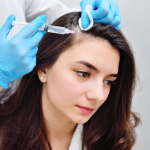
Platelet-rich plasma (PRP) treatment is a procedure that uses a concentrated portion of a patient’s own blood. A small blood sample is collected and processed to separate plasma containing a higher concentration of platelets. The prepared PRP is then applied or injected into the targeted treatment area according to the treatment plan.
PRP is commonly discussed in aesthetic and hair-care settings, including concerns related to hair thinning and skin rejuvenation. However, suitability depends on individual factors, the treatment objective, and professional assessment.
When researching PRP Treatment in Islamabad, patients should focus on the quality of care rather than choosing a provider based only on promotional claims.
Why Professional Assessment Matters
PRP requires more than simply drawing blood and injecting it. A responsible treatment approach begins with an evaluation of the patient's concern, medical background, treatment goals, and suitability.
A professional consultation can help clarify:
- The specific concern being treated
- Whether PRP is appropriate for the patient
- How the procedure will be performed
- What type of improvement may be realistic
- Whether multiple sessions may be recommended
- What aftercare may be required
- Potential risks, limitations, and side effects
This information allows patients to make a more informed decision before beginning treatment.
Check Professional Qualifications and Experience
One of the first factors to investigate is the professional responsible for evaluating and providing the treatment. Appropriate qualifications, relevant experience, and familiarity with PRP procedures can contribute to a more structured treatment process.
Patients can ask about:
- Professional credentials and relevant training
- Experience with PRP procedures
- The types of concerns regularly treated
- Who performs each stage of the procedure
- How complications or unexpected reactions are managed
Experience should be considered alongside appropriate professional credentials and a transparent consultation process.
Evaluate the Consultation Process
A high-quality PRP consultation should be more than a quick discussion about booking a session. The provider should take time to understand the patient's concerns and explain the proposed treatment.
During consultation, patients may want to ask:
What is PRP expected to achieve in my case?
The answer should be specific to the individual's concern rather than a guarantee.
How many sessions might I need?
Treatment schedules can vary according to the person and treatment objective.
When might I notice changes?
PRP results generally develop gradually rather than immediately.
What are the possible risks?
A professional should explain relevant side effects and limitations before treatment.
Clear communication is an important part of patient-centered care.
Look at Hygiene and Safety Standards
Because PRP involves blood collection and injections, hygiene and infection-control practices are important considerations. Patients should observe whether the treatment environment appears clean, organized, and professionally maintained.
Important factors include:
- Appropriate hand hygiene
- Sterile or properly prepared equipment
- Safe handling and disposal of needles
- Proper blood collection procedures
- Clean treatment areas
- Appropriate patient identification and documentation
Patients should feel comfortable asking how equipment is prepared and how used materials are disposed of.
Understand How PRP Is Prepared
PRP preparation is an important part of the procedure. Blood is collected and processed so that the desired plasma and platelet component can be obtained before treatment.
Patients should ask the provider to explain the process in simple terms, including how the blood is collected, processed, and prepared for application or injection.
A transparent provider should be willing to explain the treatment workflow instead of making vague claims about a “special” or “instant” PRP formula.
Assess Whether Expectations Are Realistic
One of the strongest indicators of responsible aesthetic care is realistic communication. PRP may support improvement for certain concerns, but results can differ substantially between individuals.
Factors that may influence outcomes include:
- Age and general health
- The condition being treated
- Severity of the concern
- Individual biological response
- Treatment protocol
- Number and spacing of sessions
- Existing or underlying conditions
Be cautious about claims that promise guaranteed results, permanent improvement, or identical outcomes for every patient.
Consider Follow-Up and Aftercare
Professional PRP care should continue beyond the procedure itself. Patients should receive understandable instructions about what to expect after treatment and when to contact the provider if an unusual problem occurs.
Ask whether the provider offers:
- Post-treatment instructions
- Guidance about normal short-term reactions
- Follow-up appointments when appropriate
- Progress assessment
- Advice about future sessions
Follow-up can also help the provider assess whether the treatment plan needs adjustment.
Choosing PRP Care at SKN Cosmetics in Islamabad
When comparing providers, patients can evaluate SKN Cosmetics in Islamabad based on factors such as consultation, treatment planning, professional oversight, hygiene practices, patient communication, and aftercare. The clinic is located at 3rd Floor, Ammar Center, Jinnah Super Market, F-7 Markaz, Islamabad. Patients can discuss their concerns during consultation and ask questions about suitability, the proposed PRP process, expected outcomes, and follow-up.
The purpose of a consultation is not simply to recommend treatment but to help patients understand their available options and make an informed decision based on their individual needs.
Questions to Ask Before PRP Treatment
Before booking an appointment, preparing a short list of questions can make the consultation more useful. Patients should ask about the provider's experience, treatment method, expected timeline, possible risks, aftercare, and whether PRP is appropriate for their specific concern.
A professional provider should be comfortable answering these questions clearly and without creating unrealistic expectations.
FAQs
Is PRP treatment safe?
PRP is generally considered a minimally invasive procedure, but it can still involve risks such as pain, swelling, bruising, or infection.
How do I choose a PRP provider?
Check professional qualifications, relevant experience, hygiene standards, consultation quality, and aftercare support.
Does PRP give immediate results?
No. Improvements, when they occur, generally develop gradually and vary between individuals.
How many PRP sessions are needed?
The number of sessions depends on the treatment goal and individual assessment.
What should I ask during a PRP consultation?
Ask about suitability, treatment method, expected results, risks, number of sessions, and aftercare.