


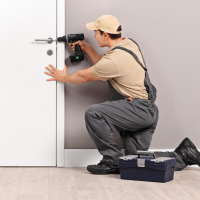




An old door does not automatically need to be replaced simply because its existing lock has become worn, damaged, or outdated. Many older wooden, metal, aluminium, and composite doors can support a modern replacement lock when the structure remains strong and the new hardware is selected carefully.
The main question is not the age of the door. What matters is its condition, thickness, material, existing lock opening, frame alignment, and compatibility with the proposed locking system. Some doors accept a new lock with little modification, while others require reinforcement, alignment correction, mortise adjustment, or repair around the existing cut-out.
Before arranging a door lock change in Dubai, the complete entrance should be inspected. Installing a modern lock without checking the door and frame can result in poor fitting, stiff operation, visible gaps, or early mechanical failure.
Door Age Is Not the Main Compatibility Factor
A door may have been installed many years ago and still remain structurally sound. In contrast, a relatively new door may already be damaged because of moisture, poor installation, repeated slamming, forced entry, or incorrect previous modifications.
A modern replacement lock may be suitable when the door:
- Remains solid around the existing lock opening
- Closes correctly against the frame
- Has sufficient thickness for the new hardware
- Is not severely warped or cracked
- Can support the lock’s fixing screws
- Has enough internal space for the lock body
- Does not contain structural damage near the handle
- Can be aligned correctly with the strike plate
A professional assessment helps determine whether the existing entrance can be upgraded safely or requires additional preparation first.
The Door Material Must Be Considered
Different door materials require different fitting methods. A lock suitable for a solid wooden entrance may not work correctly on a narrow aluminium profile or a hollow internal door.
Older Wooden Doors
Solid wooden doors can often support modern cylinders, mortise locks, deadbolts, handles, and compatible digital hardware. Wood can generally be measured, drilled, and adjusted more easily than metal.
However, older wooden doors should be checked for:
- Cracks around the lock opening
- Soft or weakened timber
- Previous drilling
- Loose screws
- Water damage
- Warping
- Decorative panels
- Splitting along the door edge
Minor damage may be repaired using suitable reinforcement or cover plates. Severe splitting around the lock body may prevent the new lock from being fitted securely.
Metal and Aluminium Doors
Older metal doors may also support replacement locks, but their internal construction should be understood before cutting begins.
They may contain:
- Reinforcement channels
- Narrow internal profiles
- Factory-prepared openings
- Insulation
- Welded components
- Limited mortise depth
- Previous metal repair work
Incorrect drilling can weaken the entrance or leave permanent visible damage. A compatible lock should be chosen according to the existing opening rather than forcing an unsuitable model into the door.
Composite and UPVC Doors
Composite and UPVC doors may use multipoint locking systems that secure the entrance at several positions. Replacing only the visible cylinder or handle may not solve a problem inside the complete mechanism.
Before fitting a new lock, the technician should check:
- Cylinder profile
- Handle centres
- Spindle position
- Backset
- Multipoint gearbox
- Locking strip
- Existing keeps
- Door alignment
The replacement must work with the entire multipoint system.
Door Thickness Affects Lock Selection
Every lock is designed for a specific door-thickness range. If the door is too thin, the lock may not tighten securely. If it is too thick, the cylinder, spindle, screws, or connecting components may not reach.
Door thickness affects:
- Cylinder length
- Screw length
- Spindle size
- Handle fitting
- Lock-body stability
- Interior and exterior plate alignment
Some locks are available in different sizes, while others offer extension components. Measuring the door before purchasing the replacement prevents unnecessary returns or unsuitable installation.
A thicker lock is not automatically more secure. The hardware must match the entrance correctly and sit firmly without excessive movement.
Existing Lock Openings May Need Adjustment
Older doors may contain cut-outs created for lock models that are no longer commonly used. The new lock body may have a different mortise depth, faceplate size, backset, handle position, or bolt arrangement.
Possible preparation may include:
- Enlarging the mortise pocket
- Reducing loose material
- Repositioning fixing holes
- Installing a reinforcement plate
- Covering unused openings
- Adjusting the handle position
- Replacing the strike plate
- Repairing damage around the cylinder
Small modifications are often manageable. However, excessive cutting can weaken the door edge and make future repairs more difficult.
The installer should compare the measurements of the old and new hardware before removing or modifying the existing lock.
Planning to upgrade an old entrance?
Contact DEX Key Maker for professional assessment, compatible hardware selection, accurate fitting, alignment correction, and reliable door lock change in Dubai.
Door Alignment Must Be Corrected First
An old door may have dropped slightly because of loose hinges, long-term use, frame movement, or repeated slamming. This can cause the latch or bolt to rub against the strike plate.
Common signs of misalignment include:
- The door must be pushed before locking
- The handle must be lifted
- The key works while the door is open but not closed
- The bolt stops before extending fully
- Scratches appear around the strike plate
- The entrance closes unevenly
- The door rubs against the frame
Installing a new lock without correcting alignment can damage the replacement mechanism. The user may still experience stiffness, incomplete locking, or difficulty turning the key.
The hinges, frame, strike plate, latch, and bolt position should therefore be inspected before fitting new hardware.
When Only the Cylinder Needs Changing
The complete lock does not always need replacement. If the lock body, handles, latch, and deadbolt remain secure, changing only the cylinder may be sufficient.
Cylinder replacement may be suitable when:
- Keys have been lost
- Old keys should no longer work
- The cylinder has become stiff
- The keyway is damaged
- The cylinder moves or spins
- Access control needs to be updated
- The remaining mechanism works correctly
This approach can modernise key control without unnecessary changes to the door.
The new cylinder must match the door thickness, lock case, profile, cam position, and fixing method. An incorrectly sized cylinder may project too far from the door or fail to operate the internal mechanism.
Can Smart or Digital Locks Be Fitted to an Old Door?
Some older doors can support smart or digital locks, but compatibility must be assessed carefully. These products may require more installation space than a traditional cylinder or mortise lock.
The installer should check:
- Door thickness
- Flat mounting space
- Mortise dimensions
- Handle position
- Internal reinforcement
- Opening direction
- Frame alignment
- Cable clearance
- Exterior weather exposure
- Emergency access requirements
A solid old wooden door may support a smart lock after controlled preparation. A thin, hollow, damaged, or heavily panelled door may require a different model.
The door should not be modified excessively simply to fit a particular smart lock. Selecting hardware that matches the existing entrance is usually safer.
Signs the Old Door Needs Reinforcement
A door may still be usable but require reinforcement before the new lock is installed.
Possible warning signs include:
- Enlarged screw holes
- Cracks near the lock body
- Movement around the handle
- Soft timber
- Loose metal around the cut-out
- Previous forced-entry damage
- Several abandoned lock openings
- Weak material around the strike plate
Reinforcement options may include security plates, longer suitable screws, strike reinforcement, door-edge repair, or controlled filling of old holes.
The reinforcement must be appropriate for the door material. Improvised repairs using glue, oversized screws, or unsuitable filler may not provide a secure result.
When Door Replacement May Be Better
Although many older doors can support modern locks, replacing the entrance may be more practical when structural damage is severe.
A new door may be recommended when:
- The door is badly warped
- Large cracks surround the lock opening
- The material is rotten or weakened
- Previous modifications have removed too much material
- The frame cannot hold the strike securely
- The door is too thin for suitable hardware
- The entrance cannot be aligned
- Forced entry has caused major structural damage
- The door no longer closes safely
- Repair and reinforcement costs are excessive
The decision should be based on security, reliability, and long-term value rather than appearance alone.
Choosing the Right Modern Replacement Lock
The replacement should match both the entrance and the way the property is used.
Important considerations include:
- Door material
- Door thickness
- Existing lock dimensions
- Property type
- Required security level
- Number of users
- Indoor or outdoor exposure
- Compatibility with current handles
- Availability of replacement parts
- Emergency access method
Apartments, villas, offices, storage areas, and rental properties may all require different solutions.
The most expensive lock is not necessarily the best option. A well-fitted, compatible product usually performs better than a premium lock installed on an unsuitable or misaligned door.
What Happens During Professional Replacement?
A professional door lock change in Dubai should involve more than simply removing one lock and fitting another.
The process may include:
- Inspecting the door and frame
- Testing the existing mechanism
- Measuring door thickness
- Identifying the current lock type
- Checking the mortise and backset
- Assessing structural damage
- Confirming replacement compatibility
- Removing the old hardware carefully
- Repairing or preparing the opening
- Installing the new lock
- Aligning the latch, bolt, and strike plate
- Testing the entrance from both sides
The technician should explain whether the full lock, cylinder, handles, or surrounding hardware needs attention before work begins.
How to Protect the New Lock
Once the replacement has been installed, correct use and basic maintenance can extend its working life.
Property owners should:
- Avoid forcing the key
- Replace bent or heavily worn keys
- Correct hinge problems promptly
- Avoid repeated door slamming
- Keep exterior hardware clean
- Use only suitable lock lubricant
- Report stiffness early
- Check loose handles and screws
- Avoid hanging heavy items from the handle
- Test spare keys before storing them
A new lock fitted to an old door should operate smoothly. Repeated stiffness usually indicates alignment, fitting, or hardware problems that require inspection.
Final Thoughts
An old door can often support a modern replacement lock without needing complete replacement. Door age alone does not determine compatibility. The condition, material, thickness, lock opening, frame, hinges, and alignment are more important.
Solid wooden, metal, aluminium, composite, and multipoint doors may all accept suitable modern hardware when correctly assessed and prepared. Minor modifications or reinforcement may be required, particularly where previous locks have damaged the fitting area.
A professional inspection before arranging a door lock change in Dubai helps ensure that the new hardware is compatible, securely fitted, and able to operate without unnecessary resistance.
Frequently Asked Questions
Can a new lock be fitted to a very old wooden door?
Yes, provided the timber remains solid and the area around the lock has not been severely weakened.
Does an old mortise opening need to match the new lock exactly?
Not always. Minor adjustments may be possible, but excessive cutting should be avoided.
Can only the cylinder be replaced?
Yes. If the main lock body and handles remain secure, replacing only the cylinder may be sufficient.
Why does a new lock feel stiff on an old door?
The door may be misaligned, the strike plate may be incorrectly positioned, or the replacement may not have been fitted accurately.
Can a smart lock be installed on an older door?
Possibly. Door thickness, material, mortise size, alignment, and available mounting space must be checked first.
Should the door frame also be inspected?
Yes. A secure lock depends on a strong frame and correctly positioned strike plate.
Can cracks around the old lock be repaired?
Minor damage may be reinforced or repaired. Severe structural damage may make door replacement safer.
When should the entire door be replaced?
Replacement may be better when the door is badly warped, rotten, heavily cracked, structurally weak, or unable to support secure hardware.