

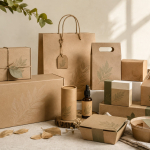
Packaging is one of those expenses that quietly grows every year without most business owners noticing until the invoice arrives. Between rising material prices, shipping surcharges, and the need to keep products looking professional, packaging can eat into margins faster than expected. This is exactly why so many brands, from small Etsy sellers to large scale distributors, are switching to kraft boxes wholesale as a smarter way to package their products.
Buying kraft boxes in bulk is not just about saving a few cents per unit. It changes the entire cost structure of a business, from production to delivery. In this article, we will break down where packaging costs actually come from, how wholesale kraft boxes address each of those cost centers, and what businesses should look for when choosing a supplier.
Understanding the True Cost of Packaging
Before looking at solutions, it helps to understand what actually drives up packaging expenses. Most business owners only see the sticker price of a box, but the real cost includes several layers that add up over time.
Material and Production Expenses
Every box starts with raw material, and paperboard or corrugated stock prices fluctuate based on supply chain conditions. When businesses order small batches from local printers, they pay a premium because production runs are short and setup costs get spread across fewer units. Custom printing, die cutting, and finishing also carry fixed costs that do not shrink just because the order is small.
This is one of the reasons small business owners often feel like packaging prices never seem to add up in their favor. A print run of 300 boxes might involve nearly the same machine setup time as a run of 5,000, yet the smaller order absorbs the full cost of that setup. Over a year of repeat small orders, a business can end up paying two or three times more per box than it would with a single larger wholesale order, even though the boxes themselves are identical.
Shipping and Logistics Expenses
Packaging itself needs to be shipped to the business before it can even hold a product. Frequent small orders mean frequent freight charges, and many suppliers charge higher per unit shipping rates for lower volumes. On top of that, inconsistent box sizes can lead to wasted space in outbound shipments, which increases dimensional weight charges from carriers like UPS and FedEx.
Freight for packaging is often overlooked when businesses calculate their true packaging spend. A pallet of flat, unassembled kraft boxes ships far more efficiently than boxes that are pre-folded or oddly shaped, and ordering wholesale allows businesses to fill an entire pallet or container, which brings the per unit freight cost down considerably compared to smaller, more frequent shipments.
How Wholesale Kraft Boxes Reduce These Costs
Once a business understands where the money is going, the value of buying kraft boxes wholesale becomes much clearer. Wholesale purchasing directly targets the cost drivers mentioned above.
Bulk Pricing Advantages
The most obvious benefit is unit price. When a manufacturer runs a large production batch, the setup cost for printing plates, die lines, and machine calibration gets divided across thousands of boxes instead of just a few hundred. This is why kraft box pricing per unit can drop significantly once order quantities cross certain thresholds. A business that switches from ordering 500 boxes at a time to 5,000 can often cut its per unit cost by a substantial margin, sometimes more than half depending on the supplier and box complexity.
Beyond the box itself, buying in bulk also reduces how often a business needs to place orders. Fewer orders mean fewer shipping charges, fewer rush fees when supply runs low, and less time spent managing vendor communication. For a business shipping products daily, running out of boxes mid month and paying for an emergency small batch order can quietly wipe out an entire quarter of savings, so consistent bulk ordering also protects against these avoidable spikes in cost.
Customization Without Added Cost
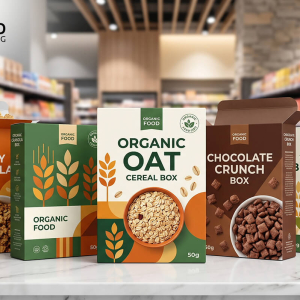
A common misconception is that custom branded packaging always costs more than plain packaging. In reality, wholesale kraft boxes make customization far more affordable because the printing setup is a one time cost applied across a large order. Businesses can add their logo, brand colors, and even product information without the per unit price climbing the way it would on a small custom order.
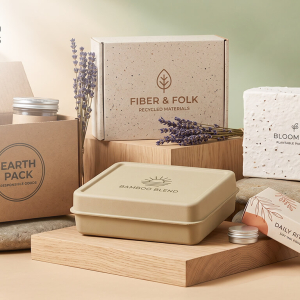
Kraft material also naturally supports simple one or two color printing, which keeps design costs low while still giving the packaging a premium, natural look that customers associate with quality and sustainability. This combination of affordability and branding is one of the biggest reasons wholesale kraft packaging has become so popular with growing ecommerce brands.
Many businesses also find that branded packaging pays for itself in ways that go beyond the initial cost. A well designed kraft box can double as part of the unboxing experience, encouraging repeat purchases and social media shares, which reduces the amount a business needs to spend elsewhere on marketing to achieve the same brand recognition.
Sustainable Material Benefits
Kraft paperboard is lighter than many alternative packaging materials while still offering strong durability, which directly affects shipping costs. Lighter packaging means lower dimensional and actual weight charges on outbound shipments, and this adds up quickly for businesses shipping hundreds or thousands of orders each month.
There is also a growing customer expectation around sustainable packaging. Kraft material is recyclable, biodegradable, and made from renewable resources, which allows businesses to meet eco-friendly packaging expectations without paying extra for specialty green materials. In many cases, kraft is actually cheaper than glossy laminated alternatives, making it a rare case where the environmentally friendly option is also the more cost-effective one.
Choosing kraft also reduces downstream costs tied to returns and disposal. Many retailers and marketplaces now favor sellers who use recyclable packaging, and some regions have started introducing packaging waste fees for materials that are harder to recycle. Kraft boxes help businesses stay ahead of these regulations rather than scrambling to adjust once new packaging rules take effect.
Choosing the Right Wholesale Kraft Box Supplier
Not all wholesale suppliers offer the same value, and choosing the wrong one can offset the savings a business expects to gain. Finding a supplier that aligns with both current needs and future growth plans is just as important as the price on the quote.
Pricing Transparency and Order Tiers
A reliable supplier should offer transparent bulk pricing tiers so businesses can see exactly how much they save at each order quantity. This allows a business to plan purchases around its cash flow instead of being surprised by hidden setup fees, plate charges, or rush production costs added after a quote is given. Suppliers who publish clear tier pricing also make it easier to forecast packaging spend for the year ahead.
Size Consistency and Fast Turnaround
It also helps to work with a supplier that offers a range of standard sizes alongside custom dimensions, since standardized sizing reduces wasted space in shipments and keeps freight costs under control. Businesses that plan to scale should ask about minimum order quantities, production lead times, and reorder timelines, since a supplier that can handle growing volume without price jumps or delays will offer far more long-term value than one offering a low price on a single order.