

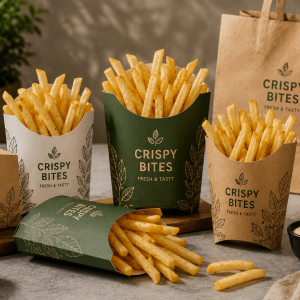

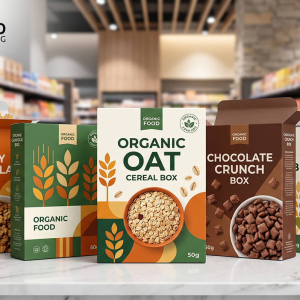
The phrase eco-friendly gets attached to packaging so often that it has started to lose specific meaning for many shoppers. Understanding what actually makes a box eco-friendly, rather than treating it as a vague marketing label, matters both for brands trying to make honest claims and for customers trying to make informed choices.
This guide breaks down what eco-friendly packaging actually involves and where the real environmental benefits come from.
Defining What Makes a Box Eco-Friendly
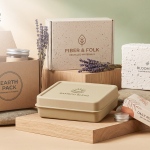
An eco-friendly box generally refers to packaging made from materials and processes that reduce environmental impact compared to conventional alternatives, whether through recyclability, biodegradability, responsible sourcing, or reduced material use overall. This is a broader category than a single material type, since eco-friendly packaging can include kraft paperboard, recycled corrugated board, molded pulp, and even certain plastic alternatives designed to break down more readily than standard plastics.
The key distinction is that eco-friendly packaging should be evaluated on verifiable factors rather than appearance alone, since a box does not become genuinely more sustainable just because it looks natural or uses earth-toned colors.
The Core Factors That Determine Environmental Impact
A few specific factors consistently determine whether packaging actually reduces environmental impact.
- Recyclability: whether the material can be processed through standard recycling streams without contamination from coatings or laminates
- Sourcing: whether raw materials come from responsibly managed forests, often verified through certifications such as FSC
- Material efficiency: how much material is actually used per unit of product protected, since reduced material use lowers impact regardless of the specific material chosen
- Biodegradability: how readily the material breaks down in natural conditions if it does not end up in a recycling stream
- Production process: whether manufacturing involves fewer harsh chemicals, less water use, or lower energy consumption compared to alternative materials
A box can perform well on some of these factors while falling short on others, which is why specific, verifiable claims matter more than a general eco-friendly label applied to the entire package.
Why Certain Materials Perform Better Environmentally
Uncoated kraft paperboard and corrugated cardboard generally perform well across most of these factors, since they are widely recyclable, come from renewable wood fiber sources, and can be produced using less bleaching and fewer chemicals compared to bright white coated stock. Recycled paperboard offers additional benefit by reducing demand for virgin material, though it typically cannot match the strength of virgin fiber board at the same weight, which sometimes requires slightly heavier material to achieve comparable durability.
Materials become less environmentally favorable once coatings, laminates, or plastic components are added, even when the base material itself is a more sustainable option. A kraft box with a heavy plastic laminate, for example, may no longer be recyclable through standard paper recycling streams, which significantly undercuts the environmental advantage the kraft base material would otherwise provide.
How Eco-Friendly Packaging Benefits Brands Beyond Environmental Impact
Choosing genuinely eco-friendly boxes offers practical business advantages beyond the direct environmental benefit. Consumers, particularly younger demographics, have shown consistent preference for brands that demonstrate real sustainability practices, and packaging is often the most visible, tangible way a brand can communicate that commitment at the point of purchase.
Boxo Packaging works with brands to source verified recyclable and FSC-certified materials, which supports accurate environmental claims that hold up to increasing scrutiny from both regulators and informed customers who are more attentive to vague sustainability marketing than in previous years.
Avoiding Greenwashing in Packaging Claims
Greenwashing, the practice of making packaging appear more environmentally friendly than it actually is, has drawn increased regulatory attention and consumer skepticism in recent years. Brands should avoid broad, unverifiable claims such as calling a product completely sustainable or entirely eco-friendly without specifying which particular aspects of the packaging support that claim, since vague language creates legal and reputational risk if challenged.
Being specific, such as stating that a box is made from FSC certified kraft board and is fully recyclable where facilities exist, holds up far better under scrutiny than a general eco friendly label applied without supporting detail.
Cost Considerations for Eco Friendly Packaging
Eco friendly materials do not automatically cost more than conventional alternatives, and in some cases, such as uncoated kraft board, they can be less expensive than heavily processed or coated stock. Costs tend to rise specifically when brands add premium sustainable certifications, specialty biodegradable coatings, or low volume recycled materials that are not yet produced at the same scale as conventional options, so cost impact varies significantly depending on the specific eco friendly choice being made.
Testing Eco Friendly Packaging for Performance
Sustainable materials sometimes involve trade-offs in durability, moisture resistance, or print quality compared to conventional alternatives, which makes physical sample testing an important step before committing to a full production run. Confirming that an eco-friendly material choice still meets a product's protective and presentation needs helps avoid a situation where sustainability goals compromise the packaging's basic function.
Common Mistakes Brands Make With Eco-Friendly Packaging Claims
A few recurring mistakes show up when brands adopt eco-friendly packaging:
- Making broad sustainability claims without specifying which particular material or process supports the claim
- Assuming a natural-looking material such as kraft is automatically eco-friendly without checking sourcing or certification
- Adding coatings or laminates that undercut the recyclability of an otherwise sustainable base material
- Skipping physical testing to confirm an eco-friendly material still meets durability and presentation requirements
- Overlooking cost differences that specific sustainable certifications or specialty materials can introduce
Working with an experienced supplier such as Boxo Packaging can help brands choose materials that are genuinely eco-friendly and back those claims with verifiable sourcing and certification details, rather than relying on appearance alone to communicate an environmental benefit.