

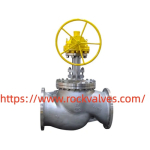

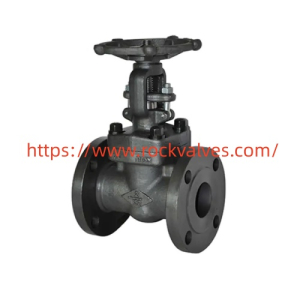
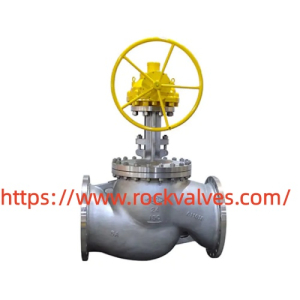
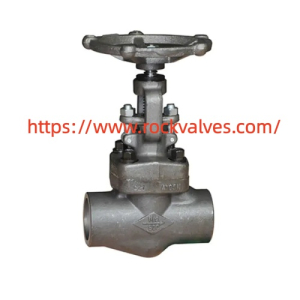
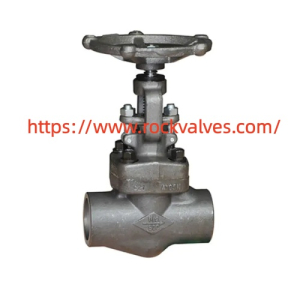
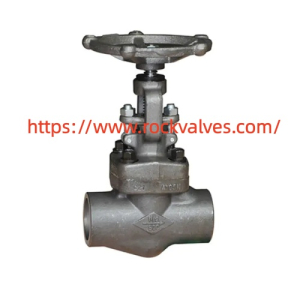
Globe Valve for Chemical Process applications involve more than controlling the movement of liquids and gases. In chemical production environments, equipment must work alongside different media, pipeline arrangements, and operating conditions. Material compatibility, internal construction, sealing arrangements, and maintenance accessibility all deserve attention during the purchasing process. Understanding these factors helps buyers evaluate suitable equipment and communicate their requirements more clearly with manufacturers.
Chemical facilities handle a wide range of substances throughout their production activities. Some fluids may create corrosion concerns, while others require careful flow regulation during different manufacturing stages. Equipment selection should therefore begin with an understanding of the actual application rather than relying on general product descriptions.
Material selection influences how industrial equipment responds to its surroundings. Chemical media can interact differently with various metals, potentially affecting surface condition, structural integrity, and long-term maintenance requirements.
Stainless steel is frequently considered in applications where corrosion resistance is an important concern. Carbon steel may also be appropriate for certain operating environments, depending on fluid characteristics and system requirements. Other material options can be evaluated when particular chemical conditions require additional consideration.
Buyers should not focus exclusively on the external body. Internal components also deserve careful evaluation. The disc, seat, stem, and packing arrangement each have specific functions and may experience different operating conditions.
Compatibility between these components and the working medium helps support consistent operation. Manufacturers should receive clear information about fluid composition, concentration, and environmental conditions before recommending a suitable construction.
The internal structure of industrial equipment influences how fluid moves through a pipeline. Different designs serve different operational purposes, making it important to understand how a product functions before purchasing.
A globe-style structure uses a movable disc that interacts with a seat to regulate the available passage. This arrangement allows operators to adjust fluid movement according to process requirements.
Such construction can be useful in systems where controlled flow adjustment is necessary. However, the internal passage also influences fluid resistance. Engineers should consider this characteristic when evaluating pipeline arrangements and overall system operation.
The relationship between the stem, disc, and seat is another important consideration. Their movement and contact affect operating behavior and sealing conditions. Appropriate manufacturing processes and careful assembly help maintain the intended interaction between these components.
Selecting industrial equipment requires a clear understanding of the working environment. A product that suits one facility may not necessarily meet the requirements of another.
The first consideration is the purpose of installation. Some systems require regular flow adjustment, while others primarily need isolation. Identifying the actual operating function helps narrow the available choices.
The second consideration is the working medium. Chemical composition and potential corrosive properties influence material compatibility. Buyers should provide accurate application information so manufacturers can assess appropriate construction options.
Connection arrangements also deserve attention. Compatibility with existing pipeline systems can influence installation convenience and project planning. Buyers should confirm connection requirements before placing an order.
Sealing arrangements are equally relevant. Packing materials and seating surfaces should be evaluated according to the characteristics of the fluid and the operating environment.
Maintenance accessibility should also be included in the purchasing discussion. Products that allow practical inspection and servicing can make routine maintenance planning easier for facility personnel.
Product design provides the foundation, but manufacturing processes determine how individual components come together.
Casting quality influences the condition of the main body. Machining processes affect the relationship between internal surfaces and moving components. Assembly practices help ensure that each part functions according to its intended design.
Material verification is another important manufacturing consideration. Buyers may request relevant material documentation to confirm that supplied components match the agreed requirements.
Inspection procedures should reflect the intended application. Different chemical facilities may have specific expectations regarding production records, dimensional checks, pressure testing, and final product verification.
Communication between manufacturers and purchasing teams helps establish these expectations before production begins. Clear technical discussions can reduce misunderstandings and make the procurement process easier to manage.
Maintenance is often considered after equipment has entered service, but planning ahead can make future management more convenient.
Operators should understand normal operating behavior and pay attention to unusual changes. External leakage, difficult operation, visible corrosion, and changes in fluid regulation may indicate that inspection is necessary.
Sealing components can require attention as operating conditions change. Regular inspection helps maintenance personnel identify wear and evaluate whether servicing or replacement is appropriate.
Keeping maintenance records also provides useful information for future purchasing decisions. Repeated observations can help facility managers understand which components require additional attention and whether the original product selection remains suitable.
Choosing a manufacturer involves evaluating product construction, production experience, communication, and the ability to discuss application requirements. Industrial buyers benefit from working with suppliers who understand that different pipeline environments require different considerations.
Rockv focuses on industrial valve products designed for a range of pipeline applications. From material selection to structural details, evaluating the relationship between product construction and actual working conditions helps purchasing teams make informed decisions.
For chemical production facilities, a clear discussion about fluid characteristics, installation requirements, sealing arrangements, and maintenance expectations can provide a useful starting point for equipment selection. Buyers looking for industrial valve solutions can review the available product range at https://www.rockvalves.com/product/ and contact Rockv to discuss suitable options for their application.