

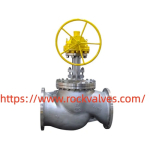

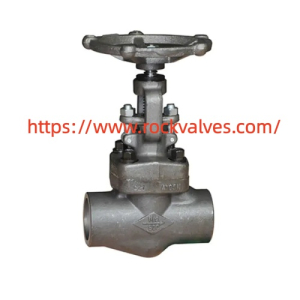
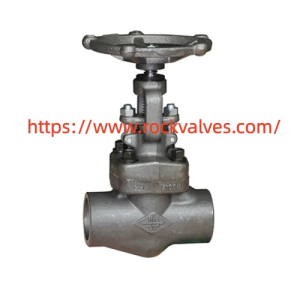
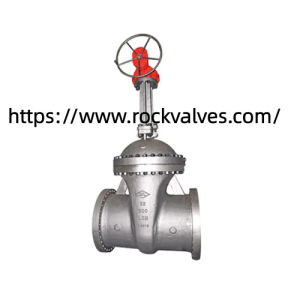
Flanged End Cast Steel Globe Valve selection requires more than checking the nominal size and purchase price. Buyers need to confirm whether the proposed equipment matches the pipeline conditions, connection dimensions, process medium, and maintenance requirements. A suitable specification helps avoid compatibility issues during installation and supports consistent operation throughout the equipment service period. Before placing an order, purchasing teams should prepare the relevant technical information and discuss any project-specific requirements with the manufacturer.
The first point to confirm is the process medium. Industrial pipelines may carry steam, water, oil, gas, or other fluids, and each application can involve different pressure, temperature, and corrosion conditions. The equipment material should be compatible with the fluid and the expected operating environment. Buyers should provide the normal operating temperature as well as the minimum and maximum design conditions. This information helps manufacturers assess whether the proposed body and internal components are appropriate for the application.
Pressure rating is another essential consideration. A nominal pressure class should not be selected simply because it matches an existing purchase order. The actual working pressure must be evaluated together with the operating temperature and material group. ASME B16.34 provides pressure-temperature rating requirements for applicable industrial products. Buyers should check the rating at the specified design temperature and confirm that it meets the project requirements.
Connection dimensions deserve careful attention before ordering. The nominal pipe size alone does not confirm that two pipeline components can be assembled correctly. Purchasers should identify the required flange standard, pressure class, facing type, drilling pattern, and dimensional requirements. ASME B16.5 is commonly referenced for pipe flanges and flange fittings. If the existing pipeline follows a particular standard or project specification, the mating dimensions should be checked against the relevant drawings. This step can help prevent alignment difficulties and unnecessary changes during installation.
Material details should also be reviewed as a complete package. Buyers may encounter carbon steel and alloy material options for different industrial conditions. The correct grade depends on pressure, temperature, corrosion exposure, and the properties of the medium. It is useful to request material specifications for the body, bonnet, stem, disc, and other pressure-retaining or working components. Material test certificates and heat identification records can provide traceability. If a project requires additional material verification or impact testing, these requirements should be stated clearly before production.
Internal construction is closely related to the way the equipment controls flow. Globe-type designs use a movable disc and seating arrangement to regulate or stop fluid movement. Buyers should review the disc configuration, seat design, flow direction, and expected operating frequency. If the equipment will be used for regular flow adjustment, the manufacturer should understand the required flow conditions and operating range. This helps determine whether the proposed configuration is appropriate for the process rather than relying on general product descriptions.
The operating method is another detail worth confirming. Depending on size, pressure conditions, and installation needs, the equipment may use a handwheel, gearbox, or powered actuator. Manual operation may be suitable for some locations, while automated systems may require electric or pneumatic actuation. Purchasers should provide information about available power, control signals, installation space, and any emergency operating requirements. These details help the manufacturer coordinate the operating unit with the wider pipeline control system.
Inspection and testing requirements should be agreed upon before an order is confirmed. Buyers may need pressure tests, shell inspections, seat leakage checks, dimensional verification, or material documentation. API 598 is a commonly referenced inspection and testing standard for applicable industrial products, while the exact requirements depend on the design standard and project specification. Purchasers should identify any witness points, third-party inspection needs, and document submission requirements in the inquiry.
Maintenance access can influence the final configuration as well. The installation location should provide sufficient clearance for handwheel movement, actuator servicing, packing adjustment, and inspection. Buyers should consider the pipeline layout and surrounding equipment before approving the dimensional drawing. It is also useful to ask about recommended maintenance intervals, spare parts availability, and procedures for replacing service components. Clear arrangements at the purchasing stage can make future maintenance planning more straightforward.
A complete inquiry helps manufacturers prepare a quotation that reflects the actual project. Buyers should include nominal size, pressure class, medium, operating and design temperatures, material grades, flange standard, facing type, operating method, quantity, and required inspection documents. Drawings and technical specifications can clarify details that may otherwise be missed. If any information is not yet confirmed, it should be identified for discussion rather than assumed during production.
Selecting industrial flow control equipment involves coordinating pipeline data, material requirements, connection dimensions, and operating expectations. A well-prepared specification gives both the buyer and manufacturer a shared basis for reviewing product details and delivery requirements. Rockv provides industrial flow control products for a range of pipeline applications, with configuration discussions based on project conditions and technical specifications. Buyers planning a new installation or replacement project can review the available product range and submit their requirements at https://www.rockvalves.com/product/ to discuss suitable options with the Rockv team.