




Effective workforce management is essential for organizations that want to improve employee performance and achieve sustainable growth. Managing a team involves understanding employee strengths, identifying staffing requirements, monitoring productivity, and maintaining workplace satisfaction. HR analytics helps businesses handle these responsibilities by transforming employee information into SAP Success Factors Course in Chennai useful insights. It allows HR professionals to examine workforce trends, recognize potential challenges, and develop strategies based on reliable data. By integrating analytics into human resource operations, organizations can improve decision-making, utilize employee capabilities, and create a more productive workplace.

Understanding the Role of HR Analytics
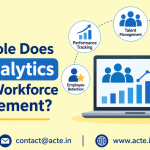
HR analytics refers to the process of collecting, measuring, and interpreting employee-related information to improve workforce decisions. It covers important HR activities such as recruitment, employee performance, attendance, compensation, engagement, and training. Analytical tools help HR teams understand how different workforce factors influence organizational results. For example, employee attendance reports can highlight absenteeism trends, while recruitment analytics can show which hiring channels attract qualified candidates. These findings help organizations understand their workforce more clearly and implement appropriate management strategies.
Improving Employee Allocation and Workforce Planning
Assigning employees to suitable roles is important for maintaining operational efficiency. HR analytics helps organizations examine employee qualifications, professional experience, availability, and workload distribution. Managers can use these insights to identify staffing shortages, recognize underutilized resources, and distribute responsibilities more effectively. It also supports long-term workforce planning by helping businesses predict future hiring requirements and identify essential skills. This reduces unnecessary recruitment expenses and ensures that the organization has the right talent to meet its operational goals.
Monitoring Employee Performance and Productivity
HR analytics makes performance management more structured by providing measurable information about employee contributions. Organizations can evaluate productivity, project completion rates, attendance, and individual goal achievement. These measurements help managers understand which teams are performing effectively and where improvements are necessary. HR professionals can use the SAP Success Factors Course in Bangalore results to provide constructive feedback, establish development plans, and recognize employee achievements. Regular performance analysis also helps organizations identify opportunities to improve team collaboration and workplace efficiency.

Enhancing Employee Satisfaction and Retention
Maintaining employee satisfaction is essential for reducing turnover and building a stable workforce. HR analytics helps organizations examine engagement survey results, employee feedback, absenteeism, and resignation trends. These details can reveal common reasons behind employee dissatisfaction, including limited career growth, poor communication, or excessive workloads. Based on these SAP Success Factors Course in Hyderabad findings, businesses can improve workplace policies, introduce recognition programs, and provide better professional development opportunities. Understanding employee expectations helps organizations create a supportive environment that encourages long-term commitment.
Identifying Training and Development Requirements
Workforce skills must continuously improve to meet changing business and technological demands. HR analytics helps identify gaps between employees' current capabilities and the competencies required for their roles. Organizations can use this information to develop targeted training programs, technical workshops, and leadership development initiatives. Analytics also helps measure training effectiveness by examining improvements in employee performance and productivity. This allows businesses to invest in learning activities that deliver practical workforce benefits.
Supporting Strategic Workforce Decisions
HR analytics provides valuable information for making informed business decisions. Managers can evaluate recruitment effectiveness, employee expenses, productivity levels, and workforce requirements before implementing HR strategies. Predictive analytics can also help SAP Success Factors Online Course organizations anticipate staffing challenges and potential employee turnover. However, maintaining data accuracy, employee confidentiality, and responsible information management is essential for achieving reliable results.
Conclusion
HR analytics has become an important component of modern workforce management. It enables organizations to improve employee allocation, monitor performance, strengthen retention, and identify training requirements through data-driven insights. By understanding workforce trends and addressing employee needs, businesses can improve operational efficiency and support organizational growth. As digital technologies continue to influence human resource management, HR analytics will remain essential for building skilled, engaged, and productive teams.