


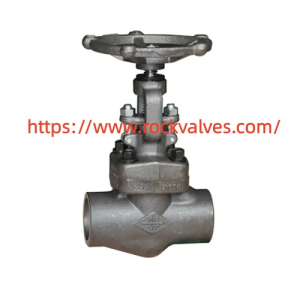
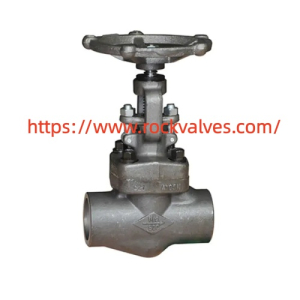
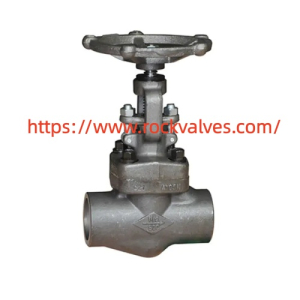
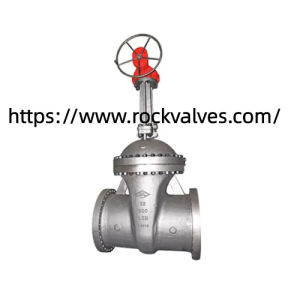
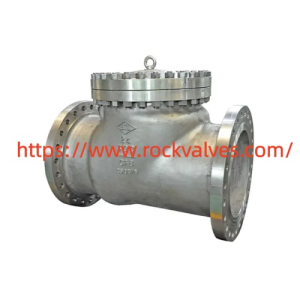
Flanged End Cast Steel Globe Valve selection should begin with the actual conditions of the pipeline rather than appearance or price alone. Buyers need to consider pressure, temperature, medium, connection dimensions, material compatibility, operating frequency, and applicable standards. A suitable configuration should match the working environment and installation requirements of the project. ASME B16.34 covers pressure temperature ratings, dimensions, tolerances, materials, testing, marking, and other requirements for applicable valve constructions.
Pressure and temperature are two of the first technical details buyers should confirm. A valve selected for a particular pressure class needs to remain appropriate for the expected operating temperature. These two factors are connected, so checking them separately can create an inaccurate specification.
Buyers should provide the manufacturer with the normal working pressure, possible pressure fluctuations, operating temperature, and any expected temperature changes. This information helps the manufacturer identify a suitable configuration. Pressure class designations such as Class 150, 300, 600, and higher are commonly used within applicable standards, while the actual allowable pressure depends on material and temperature conditions.
Material selection should reflect the medium passing through the pipeline and the surrounding conditions. Carbon steel can suit many general industrial applications, while other alloy or stainless steel options may be considered when temperature, corrosion, or fluid characteristics require different material properties.
Internal components also deserve attention. Seat, disc, stem, packing, and gasket materials can influence service suitability and maintenance requirements. Instead of selecting materials from a general product list, buyers should provide details about the fluid, concentration, temperature, pressure, and expected service conditions.
Rockvalves can discuss material combinations according to project requirements, helping purchasing teams compare practical configurations before confirming an order.
Connection compatibility is another important purchasing point. Flange dimensions, drilling patterns, facing requirements, nominal size, and pressure class should correspond with the connected piping and mating components.
ASME B16.34 addresses flange related dimensions and requirements, while ASME B16.5 and ASME B16.47 are referenced for applicable flange arrangements.
Buyers should therefore provide accurate pipeline drawings or connection specifications whenever possible. This can reduce the possibility of receiving a component that requires unexpected modifications during installation. Face to face dimensions should also be reviewed when replacing an existing unit, especially where available installation space is limited.
Testing documentation can be an important part of procurement, particularly for industrial projects where inspection records are required. Buyers may want to confirm shell testing, seat testing, dimensional inspection, material documentation, and other agreed inspection procedures.
API 598 is commonly associated with valve inspection and testing, while ASME B16.34 includes requirements covering testing and marking for applicable valves.
The purchasing team should clarify which standards apply to the project before production begins. It is also useful to confirm whether certificates, inspection reports, material records, drawings, and other documents will be supplied with the shipment.
A purchasing decision should also consider how the valve will be operated after installation. Handwheel operation may be suitable for some systems, while larger sizes or difficult access conditions may call for an actuator arrangement.
Maintenance access is worth reviewing during the design stage. Buyers should consider available space around the bonnet, handwheel, flange bolts, and nearby pipeline components. If the valve is installed in a location where regular inspection is difficult, service planning becomes even more important.
The operating environment should also be discussed. Steam systems, water pipelines, oil processing equipment, power facilities, and other industrial applications can have different requirements. A clear application description allows the manufacturer to assess the configuration with greater accuracy.
Good valve procurement depends on complete technical communication. Instead of sending only a size and pressure class, buyers can provide the medium, temperature, pressure, connection standard, material preference, operating method, applicable standards, quantity, and documentation requirements.
Rockvalves works with industrial valve requirements by discussing these details before production and helping customers organize specifications for their projects. This approach can make communication between engineering, purchasing, and manufacturing teams easier.
For buyers preparing a new project or replacing existing equipment, the practical step is to compare every specification against the actual pipeline conditions. Product drawings, technical data, material information, inspection requirements, and connection details should all be reviewed before the order is finalized. Buyers interested in discussing available configurations can visit https://www.rockvalves.com/ and contact Rockvalves for project related product information.