


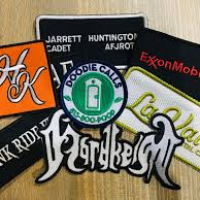
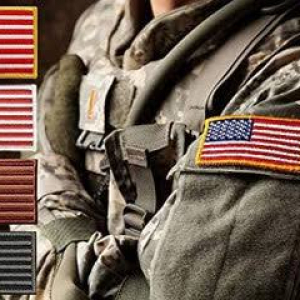
Embroidered badges are a popular way to display logos, names, symbols, and custom artwork on uniforms, jackets, hats, bags, and other fabric products. Before manufacturing a badge, creating a digital preview can help you understand how the finished design may look. An Embroidered Badge Mockup Tool makes it easier to visualize stitching, thread colors, borders, and artwork placement without producing a physical sample.
An embroidered badge mockup generator can be especially useful for designers, clothing brands, businesses, sports teams, and organizations that want to present professional badge concepts. Whether you are creating a company emblem or a personalized uniform badge, a realistic mockup helps you review the design before production.
What Is an Embroidered Badge Mockup Tool?
An embroidered badge mockup tool is a digital design resource that allows users to preview artwork on an embroidered-style badge. It uses visual effects such as thread textures, raised stitching, fabric surfaces, borders, and shadows to represent the appearance of a finished embroidered product.
Instead of viewing a logo as a flat image, you can see how it may look when reproduced with embroidery.
Depending on the tool, you may be able to:
-
Upload your own logo or artwork.
-
Select different badge shapes and sizes.
-
Preview embroidery and thread textures.
-
Customize background and thread colors.
-
Adjust artwork placement and proportions.
-
Add borders and stitching effects.
-
Export a digital preview for presentations or product listings.
Available features vary between tools, so check their editing and export options before choosing one.
Benefits of Using an Embroidered Badge Mockup Generator
An embroidered badge mockup generator can simplify the design process and help you prepare more accurate visual concepts.
1. Preview Your Design Before Production
A mockup lets you see how your logo, text, or artwork may appear on an embroidered badge. You can review the layout and make changes before approving manufacturing.
2. Experiment with Thread Colors
Embroidery designs depend on thread colors to create contrast and visual detail. A mockup helps you compare different color combinations and select options that match your branding.
3. Visualize Stitching and Texture
Embroidery has a distinctive raised appearance. Mockup effects can help communicate the texture and depth of stitched lettering, symbols, and decorative elements.
4. Save Time During Design Reviews
Instead of preparing several physical samples, you can create digital versions of different designs. This makes it easier to compare layouts and collect feedback.
5. Prepare Professional Presentations
Businesses, designers, and manufacturers can use badge previews in client presentations, catalogs, product listings, and promotional materials.
How to Use an Embroidered Badge Mockup Tool
Creating a realistic badge preview is easier when your artwork is prepared and the correct template is selected.
Step 1: Prepare Your Artwork
Start with a clear, high-resolution logo, emblem, or illustration. Transparent PNG files and vector artwork can be useful, depending on the tool's supported formats.
If your design includes tiny lettering or thin lines, consider simplifying those elements for better embroidery reproduction.
Step 2: Choose a Badge Template
Select a mockup template that matches the intended badge shape. Common options include:
-
Round embroidered badges.
-
Rectangular name badges.
-
Square logo badges.
-
Shield-shaped uniform badges.
-
Oval embroidered patches.
-
Custom-shaped badges.
Choose a template with enough space for your artwork and any additional text.
Step 3: Upload Your Design
Import your logo or illustration into the template. Adjust the size and position so the artwork fits naturally within the badge boundaries.
Keep important text away from the outer edge and leave enough room for the embroidered border.
Step 4: Customize Thread Colors
Select thread colors that match your brand or intended design. Use sufficient contrast between the background and lettering to keep the badge readable.
If the mockup tool supports multiple thread colors, experiment with different combinations.
Step 5: Adjust Embroidery Effects
Preview available stitching textures, raised lettering, borders, and shadows. Keep these effects balanced so the badge looks realistic without making the artwork difficult to recognize.
Step 6: Review and Export the Mockup
Check the spelling, alignment, proportions, colors, and overall appearance. Once satisfied, export the preview using the available file format and resolution.
Remember that a digital mockup is a visual reference. Actual stitching, thread density, fabric, and finished dimensions may vary during manufacturing.
Features to Look for in an Embroidered Badge Mockup Generator
Not every design resource offers the same features. Consider these options when choosing a tool.
Realistic Embroidery Texture
A useful mockup should represent the appearance of stitched thread. Texture and lighting effects can help create a more realistic preview.
Multiple Badge Shapes
Different projects require different outlines. Look for templates that support circles, rectangles, squares, shields, ovals, and custom shapes.
Thread Color Customization
The ability to adjust thread and background colors makes it easier to test different branding combinations.
Artwork Upload
A flexible generator should allow you to upload your own logo or design. Check whether it supports common image formats and transparent backgrounds.
Border and Stitching Options
Borders help define the shape of an embroidered badge. Some tools may include merrowed edges, satin stitching, or other decorative effects.
High-Resolution Export
If you plan to use the mockup for client presentations or online product listings, check whether the tool supports clear, high-quality downloads.
Embroidered Badge Mockup vs. Flat Logo Design
A flat logo and an embroidered badge mockup serve different purposes.
| Feature | Flat Logo Design | Embroidered Badge Mockup |
|---|---|---|
| Appearance | Two-dimensional artwork | Simulated stitched design |
| Texture | Usually smooth | Thread and fabric effects |
| Main purpose | Brand identity and artwork | Previewing embroidered products |
| Design review | Focuses on logo layout | Includes badge shape and stitching |
| Common use | Websites, print, and digital media | Uniforms, jackets, hats, and bags |
A flat logo is often the starting point for an embroidered badge. A mockup then helps show how that artwork may translate into a stitched product.
Popular Uses for Embroidered Badges
Embroidered badges can be customized for many industries and applications.
Business uniforms: Display company names, department logos, and employee identification.
Security and service teams: Create identification badges for approved uniforms and workwear.
Sports teams: Represent team names, symbols, player roles, and achievements.
Schools and clubs: Design badges for student groups, activities, and organizational membership.
Clothing brands: Add embroidered details to jackets, caps, shirts, and other merchandise.
Events and organizations: Create commemorative badges for conferences, campaigns, and special occasions.
Tips for Designing a Professional Embroidered Badge
A good embroidered badge design should be clear, balanced, and suitable for stitching.
-
Keep artwork simple: Avoid unnecessary details that may become difficult to embroider.
-
Choose readable lettering: Use fonts that remain clear at the finished badge size.
-
Select contrasting colors: Make important text and symbols easy to recognize.
-
Plan the border: Leave enough room around the artwork for a clean edge.
-
Check the dimensions: Match the badge size to the intended garment or accessory.
-
Use suitable artwork: Prepare a clear logo with appropriate line thickness.
-
Review the stitch requirements: Confirm that the design can be reproduced using the selected embroidery method.
-
Request a production proof: Check the manufacturer's preview before approving a large order.
Common Mistakes to Avoid
Using low-resolution artwork: Blurry images can create unclear previews and may cause production problems.
Adding too much small text: Tiny lettering may not remain readable after embroidery.
Choosing similar colors: Low contrast can make the logo and background difficult to distinguish.
Ignoring badge dimensions: A design that looks balanced on a large screen may become crowded at its actual size.
Forgetting the border: Important design elements should not sit too close to the outer edge.
Assuming the mockup is an exact sample: Always confirm thread colors, dimensions, backing, and stitching specifications with the manufacturer.
Conclusion
An Embroidered Badge Mockup Tool helps designers, businesses, and organizations visualize custom badge designs before production. It makes it easier to experiment with artwork, thread colors, shapes, borders, and stitching effects.
Using an embroidered badge mockup generator can also simplify client presentations and help prepare product previews for uniforms, hats, jackets, and promotional merchandise. Start with clear artwork, select a suitable template, and review every detail before approving manufacturing. A carefully prepared mockup can make the design process more organized and help communicate your ideas effectively.
Frequently Asked Questions
1. What is an embroidered badge mockup tool?
It is a digital resource that allows users to preview logos and artwork on an embroidered-style badge with simulated stitching, fabric textures, and borders.
2. How does an embroidered badge mockup generator work?
It typically allows you to upload artwork, select a badge template, adjust colors and placement, preview embroidery effects, and export the finished design.
3. Can I upload my own company logo?
Yes, if the tool supports custom artwork uploads. You can usually position and resize your logo within the selected badge template.
4. Which file format is suitable for badge artwork?
Transparent PNG files are useful for many mockup tools, while vector formats can preserve sharp details when resizing. Check the tool's supported formats.
5. Can I create different badge shapes with a mockup generator?
Many mockup resources offer circular, rectangular, square, oval, shield-shaped, and custom badge templates. Available options depend on the tool.
6. Does an embroidered badge mockup show the exact finished product?
Not necessarily. It provides a visual representation, but the actual result may vary depending on thread, fabric, stitch density, backing, and manufacturing techniques.
7. Can I use embroidered badge mockups for commercial projects?
That depends on the mockup template's license. Review the usage terms before using a design in advertisements, client presentations, or commercial product listings.
8. Why should I create a mockup before ordering embroidered badges?
A mockup helps you review the artwork, colors, proportions, and layout before production. It can reduce design revisions and make it easier to communicate your requirements to the manufacturer.