

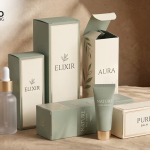
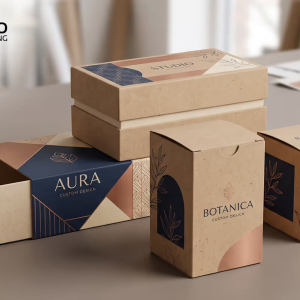
Customers judge a serum or a lipstick partly by the carton it arrives in. Before they try the formula, their hands have already told them whether the brand is careful. Planning Luxury Cosmetic Boxes means thinking about touch, protection and colour together. These checks cover what to measure, test and ask before you order.
How Finishes Change the Way a Box Feels
A premium feel comes as much from texture as from design. A soft-touch coating feels smooth and quiet, while a gloss finish reflects light and shows fingerprints more easily. Foil and embossing add detail you can feel with a thumb.
Ask for a sample with your chosen finish and handle it for a few minutes. Rub it with a dry cloth, press a fingernail into a corner and look at it under shop lighting and daylight. A finish that looks elegant on day one but marks quickly will not help your brand.
Holding Glass Jars and Bottles Securely
Beauty products are often fragile, so a handsome box with a loose fit can undo your good work. Inserts keep each item still, whether they are cut from board, paper pulp or foam.
Measure the widest and tallest points of the bottle, including the pump or cap. Then fill a sample, shake it gently and listen for movement. If the product shifts, the insert needs adjusting. Include any leaflets or tissue in the test, because they take up space.
Matching Box Colours to Your Product Range
Pale pinks, creams and soft greys are popular in beauty, but they are also the colours most likely to drift between screen and print. Compare a printed sample with your product and your website side by side.
If you sell a range, line up samples of each box together. Small differences in tone are easy to spot when cartons sit next to each other on a shelf. Ask how the supplier keeps colour consistent between orders, and keep an approved sample as your reference.
Closures, Lids and the Opening Moment
The way a box opens sets the mood for everything inside. Magnetic closures, tuck lids and sleeve styles each feel different and suit different budgets.
Open and close each sample at least twenty times. Check that the lid still sits flat, the edges stay crisp and the magnet or tuck holds without sticking. A closure that loosens quickly will make the whole range feel less careful.
Claims, Labels and Rules to Check
Cosmetics often carry ingredient lists, batch details and usage notes, so leave a clear, flat panel for them. Rules on labelling and product claims differ by region, so check the current requirements for your market. This is general information, not legal advice.
Four Details to Confirm Before You Request a Quote
Send these together and your quote will be quicker and easier to compare:
- The internal length, width and height, measured around the product with its cap or pump
- The insert style you need to hold each item steady
- The print colours, finishes and any foil or embossing, with their positions
- Your first order quantity and the reorder volumes you expect
Trying Real Products in Real Samples
Nobody can judge fit from a flat drawing, so the process begins with you sending over your product. You then request samples and test them with your own bottles, inserts and posting routine, before reviewing the fit, finish and colour together. Production starts only when you are satisfied. That sample-led path takes much of the guesswork out of ordering Luxury Cosmetic Boxes for your range.
A premium beauty carton is built from small decisions: a finish that survives handling, an insert that holds firm and a colour that stays true from one order to the next. Boxo Packaging supports that careful, sample-first approach, so your products look refined from the first unboxing.
Printed Soap Packaging That Makes Handmade Bars Sell
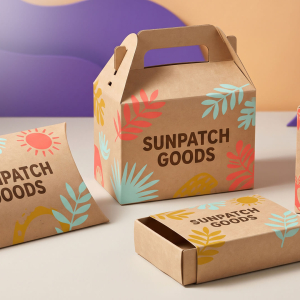
A stall full of handmade bars lives or dies on how quickly a shopper can tell one scent from another. Plain wraps leave customers sniffing every bar and guessing. Planning Printed Soap Packaging properly gives each variety a clear identity at a glance. These checks cover what to test, compare and ask before you order.
Making Scent Variants Easy to Tell Apart
If you sell lavender, oatmeal and citrus bars, shoppers should spot the difference from a metre away. Colour coding is the simplest method. Give each variety its own band colour, icon or name panel while keeping the logo in the same place on every box.
Line up printed samples of all your varieties side by side. If two look alike at a glance, adjust the colours before approving artwork. Also check that the scent name is the largest line of text after your brand name.
Choosing Between Full Boxes, Wraps and Bands
Each format suits a different seller. A full box protects the bar and gives you the most space for print. A paper wrap is lighter and cheaper to post. A belly band leaves the bar visible and works well for gift sets.
Think about how your customers buy. Market shoppers often pick bars up and sniff them, so a wrap or band with a small opening may suit you better than a sealed carton. Online sellers usually benefit from a closed box that guards the scent in transit.
Ink, Oils and Damp Hands
Soap is a tricky product to print for. Natural oils can seep into plain board, and damp fingers can lift weak ink. Test your sample in the conditions it will really face.
- Rub the printed surface with a dry cloth, then a barely damp one, and check the ink stays put.
- Leave a boxed bar beside a sunny window for a few days and look for oil marks.
- Handle the sample with slightly wet hands and watch for softened board or smudged edges.
- Store one in a cool, humid room overnight and check it keeps its shape.
Reading an Artwork Proof Line by Line
A proof is your last chance to catch mistakes. Check the spelling of every scent name, the weight, the ingredient list and the contact details. Read the text aloud, because eyes skip over errors they expect to see.
Look at the margins too. Text placed too near a fold or edge can be trimmed or hidden once the box is made. Ask for a printed sample so you can judge real colours rather than a bright screen image.
Labelling Rules to Check
Soap sold in shops often needs ingredient lists, weights and usage notes. Leave a clear, flat panel for them and make sure small text stays readable. Rules on labelling differ by region and by how a product is classed, so check the current requirements for your market. This is general information, not legal advice.
Four Details to Confirm Before You Request a Quote
Send these together and your quote will be quicker and easier to compare:
- The internal length, width and height, based on your smallest and largest bars
- The format you prefer, such as a closed box, a wrap or a belly band
- The number of scent variants, print colours and finishes you need
- Your first order quantity for each variant and your likely reorder volumes
Letting Your Own Bars Guide the Final Design
Hand-cut bars never match a drawing exactly, so the process starts with the real thing. At Boxo Packaging, you send over your soap, request samples and test them with your own curing routine, storage and selling style. You then review the fit, the print and the colour coding together, and production begins only when you are happy. That patient method makes it far easier to settle on Printed Soap Packaging that suits every bar in your range.
Strong branding for handmade bars comes from clear variants, honest testing and a proof checked word by word. Boxo Packaging supports that careful, sample-first approach, so each scent looks distinct and every bar reaches its owner in good shape.