

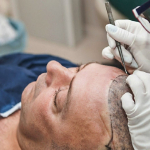





Hair loss can affect confidence, appearance, and overall well-being. Whether you are experiencing a receding hairline, thinning hair, a widening part, or bald patches, choosing the right hair restoration clinic is an important step toward addressing your concerns. With different treatments and providers available, patients should look beyond promotional offers and focus on medical expertise, safety standards, personalized treatment planning, and realistic expectations.
When searching for a trusted hair transplant in Islamabad, it is essential to understand which factors influence treatment quality and patient experience. A reliable provider should explain the possible causes of hair loss, recommend suitable options, and help patients make informed decisions rather than promising guaranteed results.
Check the Qualifications and Experience of the Medical Team
The qualifications of the medical professional responsible for your treatment should be one of your first considerations. Hair restoration may involve medical assessment, non-surgical therapies, or surgical procedures, depending on the cause and severity of hair loss.
Look for a clinic that provides clear information about the qualifications, relevant training, and experience of its practitioners. For hair transplant surgery, ask who performs the procedure, who designs the hairline, and who supervises the treatment.
A qualified professional should be able to explain the benefits, limitations, and potential risks of the recommended approach. They should also recognize when hair loss may require further investigation or management by a dermatologist or another appropriate specialist.
Look for a Personalized Hair Restoration Plan
Hair loss does not have the same cause or pattern in every patient. Genetics, hormonal changes, nutritional deficiencies, certain medical conditions, medications, and scalp disorders can all contribute to thinning or shedding.
A trustworthy clinic should assess your individual needs before recommending treatment. Instead of offering the same procedure to everyone, the medical team should consider:
-
Hair loss pattern: Whether thinning affects the hairline, crown, temples, or entire scalp.
-
Medical history: Relevant health conditions, medications, family history, and previous treatments.
-
Scalp condition: Signs of inflammation, irritation, or other concerns that may affect treatment suitability.
-
Hair donor area: For transplant candidates, the density and quality of the available donor hair.
-
Long-term expectations: How hair loss may progress and whether ongoing treatment could be necessary.
This assessment helps determine whether a hair transplant, medical therapy, or another hair restoration approach is appropriate. Patients should receive an explanation of why a particular option is recommended and what alternatives are available.
Understand the Hair Restoration Treatments Offered
A professional hair restoration clinic should explain the available treatment options without suggesting that every patient needs surgery. The right choice depends on the underlying cause of hair loss, the patient's health, and the expected benefits of each approach.
Common options include:
-
Hair transplant surgery: Moves hair follicles from a suitable donor area to areas affected by hair loss. Techniques such as Follicular Unit Extraction (FUE) may be considered for appropriate candidates.
-
Medical hair loss treatment: Certain prescribed or approved medications may help manage specific types of hair loss under professional supervision.
-
PRP therapy: Platelet-rich plasma treatment uses components prepared from a patient's blood. Its effectiveness varies, and it may be considered in selected cases.
-
Exosome-based hair treatments: These are marketed for hair restoration, but clinical evidence, product quality, regulatory status, and safety remain important considerations. Patients should ask about the evidence supporting any proposed treatment.
-
Scalp and hair health management: Addressing diagnosed scalp conditions or nutritional deficiencies may be necessary before pursuing cosmetic procedures.
A dependable provider explains which treatments have established evidence, which have limitations, and which may still be considered experimental. Avoid clinics that present every option as equally effective or guarantee the same outcome for all patients.
Evaluate Hygiene, Equipment, and Patient Safety
Safety should be a priority when comparing hair restoration clinics in Islamabad. Surgical procedures require appropriate infection-control practices, sterile instruments, suitable facilities, and trained personnel.
During your consultation, ask about the clinic's hygiene protocols and the arrangements available for managing complications. If a procedure requires anesthesia or surgical facilities, confirm that the setting is appropriate for the procedure being performed.
Important factors to consider include:
-
Clean and well-maintained treatment areas.
-
Appropriate sterilization and infection-control procedures.
-
Clear explanations of possible complications and recovery requirements.
-
Proper patient screening before treatment.
-
Emergency arrangements and access to medical assistance when necessary.
A professional clinic should welcome reasonable questions about safety. Patients should never feel pressured to proceed without understanding the procedure, its risks, and the available aftercare.
Review Before-and-After Results Carefully
Before-and-after photographs can help patients understand the potential outcomes of hair restoration. However, photographs should be evaluated carefully because lighting, camera angles, hair length, and styling can influence how results appear.
Ask whether the clinic can provide consistent photographs of previous patients with similar hair loss patterns. For transplant procedures, it is also useful to understand how long after treatment the photographs were taken.
When reviewing results, consider:
-
Whether the hairline looks natural and appropriate for the patient's age.
-
Whether the density appears consistent with the individual's donor hair.
-
Whether the photographs show comparable lighting and angles.
-
Whether the clinic explains that individual outcomes vary.
Patient testimonials and online reviews may provide additional insight into communication, cleanliness, and follow-up support. Nevertheless, reviews and photographs should supplement—not replace—professional assessment and verified qualifications.
Choose a Clinic That Explains Costs Transparently
The cost of hair transplant in Islamabad can vary according to the treatment method, extent of hair loss, number of grafts required for a transplant, medical assessment, and follow-up services.
A trusted clinic should provide a clear estimate and explain what is included in the proposed treatment. Ask whether the quoted fee covers consultation, procedure-related expenses, prescribed medication, and follow-up visits.
Be cautious of unusually low prices that are accompanied by pressure to book immediately. A lower fee does not automatically indicate poor quality, just as a higher fee does not guarantee better results.
Instead of comparing prices alone, evaluate the provider's qualifications, safety arrangements, treatment plan, and transparency. Understanding the complete cost helps you make a decision based on value and suitability.
Prioritize Aftercare and Long-Term Support
Hair restoration does not end when a procedure or treatment session is completed. Appropriate follow-up helps patients understand recovery, monitor progress, and identify concerns that may require professional attention.
For surgical hair transplantation, the clinic should provide written aftercare instructions covering scalp care, activity restrictions, medication guidance, and warning signs that require medical review. Patients should also understand that visible growth takes time and that the final cosmetic result may take several months to assess.
For non-surgical treatments, ask how progress will be measured, when the treatment will be reviewed, and whether maintenance sessions or continued medication may be necessary.
A reliable provider will explain the expected timeline honestly rather than promising immediate or permanent results without qualification.
Consider Consultation Quality and Patient Communication
The initial consultation can reveal a great deal about a clinic's approach to patient care. A trustworthy professional listens to your concerns, explains the available options in understandable language, and gives you time to consider your decision.
During the consultation, you should feel comfortable asking questions such as:
-
What is the likely cause of my hair loss?
-
Am I a suitable candidate for the recommended treatment?
-
What results can I realistically expect?
-
What are the possible side effects or complications?
-
What happens if the treatment does not produce the expected outcome?
Clear communication supports informed consent and helps patients develop realistic expectations. A clinic that uses fear, exaggerated claims, or guaranteed outcomes to encourage immediate bookings may not be prioritizing your interests.
Why Consider SKN Cosmetics in Islamabad?
Patients comparing hair restoration providers can consider SKN Cosmetics in Islamabad as one option when researching available services and arranging a consultation. Before selecting any clinic, prospective patients should discuss their hair loss concerns, ask about the qualifications of the professional responsible for their care, and understand the treatments available for their specific condition.
A useful consultation should clarify whether surgical or non-surgical treatment is appropriate, what results may realistically be achieved, and what follow-up care will involve. Patients should also ask about treatment risks, pricing, and the evidence supporting any recommended therapy.
Making a decision based on individual assessment, transparent communication, and appropriate safety standards is more valuable than relying solely on advertising or promotional claims.
Make an Informed Decision About Hair Restoration
Choosing a trusted hair restoration clinic in Islamabad requires careful consideration of medical expertise, personalized assessment, treatment options, hygiene, transparent pricing, and long-term support. The best provider for one patient may not be the right choice for another because hair loss patterns, medical needs, and treatment goals differ.
Before committing to a procedure, compare providers, verify relevant credentials, and seek a clear explanation of the proposed treatment. Take time to understand the expected benefits, limitations, risks, and recovery process.
Ultimately, a responsible hair restoration decision begins with accurate information and an individualized medical assessment. By focusing on these factors, patients can approach their hair restoration journey with greater confidence and more realistic expectations.
Frequently Asked Questions
What should I check before choosing a hair restoration clinic?
Check practitioner qualifications, treatment options, hygiene standards, patient reviews, pricing, and aftercare services.
Is a hair transplant suitable for everyone?
No. Suitability depends on the cause of hair loss, donor hair availability, health, and individual treatment goals.
How long does hair transplant recovery take?
Initial healing often takes around one to two weeks, but individual recovery varies and hair growth takes several months.
Are non-surgical hair restoration treatments effective?
Some treatments may help selected patients, but effectiveness depends on the cause of hair loss and the treatment used.
How can I choose a reliable hair restoration clinic in Islamabad?
Compare qualified providers, arrange a consultation, ask about risks and realistic outcomes, and review the proposed treatment plan before deciding.