

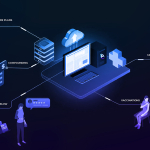


Every day, pharmacies handle a huge amount of information: prescriptions, refill dates, insurance claims, stock levels, and patient profiles. Much of it sits unused in separate systems. Pharmacy data analytics turns that raw data into insights that help pharmacies run more efficiently, cut costs, and care for patients better.
This guide explains what pharmacy analytics is, which data it relies on, its main benefits and applications, and how to get started.
What Is Pharmacy Data Analytics?
Pharmacy data analytics is the process of collecting, cleaning, and analyzing data from pharmacy operations and patient care to support better decisions. It goes beyond basic reporting. A standard report tells you how many prescriptions you filled last month. Analytics helps you understand why volumes changed, predict what comes next, and decide what to do about it.
It sits within the broader field of healthcare data analytics and overlaps with pharmaceutical data analytics, which focuses more on drug development, research, and manufacturing. Pharmacy analytics is closer to the point of care and daily operations.
What Are the Four Main Types of Pharmacy Analytics?
- Descriptive analytics: What happened, such as monthly dispensing totals
- Diagnostic analytics: Why it happened, such as why refill rates dropped
- Predictive analytics in pharmacy: What is likely to happen, such as expected demand for flu medication
- Prescriptive analytics: What action to take, such as the ideal reorder quantity
Most modern pharmacy analytics software combines these approaches in dashboards that managers and pharmacists can use without technical training.
What Data Sources Are Used in Pharmacy Analytics?
The quality of your insights depends on the data behind them. Pharmacies typically draw on several important sources.
Prescription and Dispensing Records
This includes drug types, quantities, dosages, and fill dates. This information is the basis of prescription data analysis.
Inventory and Supply Chain Data
Pharmacies can analyze stock levels, purchase orders, supplier lead times, and medication expiry dates to improve inventory planning.
Electronic Health Records and Patient Profiles
Where access is permitted, pharmacies can use diagnoses, allergies, and medication histories to better understand patient needs and medication use.
Insurance Claims and Billing Data
This data includes reimbursements, rejected claims, and payer trends, helping pharmacies identify financial and billing patterns.
Real-World Data in Pharmacy
Information from everyday patient use of medications can support outcomes research and population health analysis. This is particularly useful for understanding how medications perform outside controlled clinical trials.
Why Is Pharmacy Data Management Important?
Effective pharmacy data management means keeping these sources accurate, consistent, and connected. Duplicate records, missing fields, and disconnected systems are common reasons analytics projects fall short.
What Are the Benefits of Pharmacy Data Analytics?
Better Patient Outcomes
Analytics helps pharmacists identify patients who are at risk, such as those who regularly miss refills, take multiple interacting drugs, or have conditions that need closer follow-up. With this view, pharmacists can intervene earlier and personalize counseling.
This is the core of patient outcomes analytics: connecting medication use to real health results.
Improved Operational Efficiency
Data on prescription volumes by hour and day helps managers schedule staff to match demand, shorten wait times, and smooth workflows. This type of pharmacy operations optimization reduces bottlenecks and frees pharmacists to spend more time with patients.
Cost Reduction and Revenue Growth
Better purchasing decisions mean fewer expired medications, less tied-up capital, and fewer emergency orders at higher prices.
Analytics can also reveal underperforming product lines, reimbursement issues, and opportunities for new services such as vaccinations or medication reviews.
Smarter, Data-Driven Decisions
Instead of relying on instinct, owners and managers can use pharmacy business intelligence dashboards to track key performance indicators such as fill rates, gross margin, inventory turnover, and adherence rates.
Decisions about pricing, staffing, and expansion become easier to justify.
What Are the Key Applications of Pharmacy Data Analytics?
Pharmacy Inventory Management
Pharmacy inventory management analytics tracks stock in real time and flags slow-moving, overstocked, and soon-to-expire items.
It helps pharmacies maintain the right stock levels so common medications are available without excess inventory sitting on shelves.
Pharmacy Demand Forecasting
Pharmacy demand forecasting uses sales history, seasonality, local health trends, and even weather patterns to predict what customers will need.
For example, a pharmacy can prepare for allergy season or a spike in cold and flu prescriptions instead of reacting after stock runs out.
Medication Adherence Monitoring
Taking medication as prescribed is one of the biggest challenges in healthcare. Medication adherence analytics detects refill gaps and late pickups, then triggers reminders, outreach calls, or pharmacist consultations.
This is especially valuable for chronic conditions such as diabetes, hypertension, and asthma.
Fraud, Waste, and Abuse Detection
Pharmacy fraud detection tools scan dispensing and billing patterns for anomalies, such as unusually frequent controlled-substance fills, duplicate claims, or suspicious prescriber activity.
Early detection protects patients, reduces financial losses, and supports regulatory compliance.
Clinical and Population Health Insights
At a larger scale, aggregated prescription data reveals trends in disease prevalence, prescribing behavior, and treatment effectiveness.
Health systems, researchers, and public health agencies use real-world data in pharmacy to evaluate how medications perform outside clinical trials and to plan community health programs.
How Is Pharmacy Data Analytics Used in Different Pharmacy Settings?
Different pharmacy types apply analytics in different ways.
|
Pharmacy Setting |
Typical Analytics Uses |
|
Retail and community pharmacies |
Inventory control, demand forecasting, adherence outreach, margin tracking |
|
Hospital pharmacies |
Formulary management, drug utilization review, medication safety, waste reduction |
|
Online and mail-order pharmacies |
Delivery optimization, refill automation, customer retention analysis |
|
Pharmaceutical companies and researchers |
Real-world evidence, market analysis, post-market surveillance |
What Are the Challenges of Pharmacy Data Analytics?
Pharmacy analytics offers clear value, but it comes with challenges that organizations need to plan for.
Data Privacy and Compliance
Pharmacy data is highly sensitive. Systems must follow regulations such as HIPAA or equivalent local laws, with strong access controls and encryption.
Data Quality and Integration
Analytics is only as good as its inputs. Inconsistent or siloed data across pharmacy management, billing, and inventory systems can limit accuracy.
Staff Training and Adoption
Tools only help if the team uses them. Training and clear workflows are essential for successful adoption.
Cost of Tools and Implementation
Software, integration, and training require investment, so it is wise to start small and measure return.
How Can You Get Started With Pharmacy Data Analytics?
1. Define Clear Goals
Decide what you want to improve first, such as reducing expired stock, raising adherence rates, or lowering costs.
2. Audit and Clean Your Data
Identify where your data lives, fix duplicates and gaps, and standardize formats.
3. Choose the Right Pharmacy Analytics Software
Look for easy integration with your existing pharmacy management system, intuitive dashboards, strong security, and scalable reporting.
4. Start With One Use Case
Pilot a single application, such as inventory forecasting, and track results against a baseline.
5. Train Your Team and Scale Gradually
Share results, collect feedback, and expand to additional use cases once the first one proves its value.
What Are the Future Trends in Pharmacy Data Analytics?
AI and Machine Learning
AI and machine learning can support more accurate demand forecasting, automated refill predictions, and smarter drug interaction alerts.
Real-Time Analytics and Automation
Live dashboards and automated reordering can reduce manual work and help pharmacy teams respond more quickly to changing conditions.
Personalized Medicine and Data Integration
Combining pharmacy, clinical, and genomic data may help support more personalized approaches to medication and therapy.
Conclusion
Pharmacy data analytics helps pharmacies move from reactive to proactive: predicting demand, preventing stockouts, supporting patients who need extra help, and protecting against fraud. The benefits reach patients, staff, and the bottom line.
You don't need a large budget or a data science team to begin. Start with one clear goal, clean your data, and build from there. Many pharmacies can begin with the analytics features already built into their pharmacy management software, then add specialized tools as their needs grow. If you're ready to take the next step, now is a good time to compare pharmacy management software options with strong analytics and reporting, or request a demo.
Frequently Asked Questions About Pharmacy Data Analytics
What Is Pharmacy Data Analytics?
Pharmacy data analytics is the use of prescription, inventory, billing, and patient data to uncover insights that improve pharmacy operations, patient care, and financial performance.
How Does Data Analytics Help Pharmacies?
It helps pharmacies forecast demand, manage inventory, monitor medication adherence, detect fraud, reduce costs, and make better business decisions.
What Data Do Pharmacies Use for Analytics?
Common sources include prescription and dispensing records, inventory data, insurance claims, electronic health records, and real-world patient data.
What Are the Main Challenges of Pharmacy Analytics?
The biggest challenges are data privacy and compliance, poor data quality, system integration, staff adoption, and implementation costs.
Which Software Is Used for Pharmacy Analytics?
Pharmacies use analytics modules built into pharmacy management systems, standalone business intelligence platforms, and specialized inventory or adherence tools.
The right choice depends on pharmacy size, budget, and existing systems.