

Sweating is a normal and essential function of the human body. It helps regulate temperature, especially during exercise, hot weather, or physically demanding activities. However, many people notice that their scalp feels oily, itchy, or uncomfortable after sweating and begin to wonder whether there is a connection between perspiration and hair fall. This raises an important question: does sweating cause hair loss, or is the relationship more complicated?
The short answer is that sweating itself does not usually cause permanent hair loss. However, excessive perspiration, poor scalp hygiene, product buildup, friction, and certain scalp conditions can create an environment that may contribute to increased shedding or breakage. Understanding how sweat affects the scalp can help you maintain healthier hair without unnecessarily worrying about normal perspiration.
Understanding What Happens When You Sweat
Sweat is primarily composed of water, salts, and small amounts of other substances. When you exercise or spend time in a hot environment, sweat glands become active and release perspiration onto the surface of the skin. The scalp contains numerous sweat glands, so it is completely normal for your head to become sweaty.
Sweating does not directly damage the hair follicle or automatically stop hair growth. Hair follicles are located beneath the scalp, while most sweat remains on the surface. Nevertheless, prolonged moisture combined with oil, dead skin cells, dust, and styling products can affect scalp comfort and cleanliness.
For people who sweat heavily, especially during summer or workouts, regularly cleansing the scalp can therefore be an important part of maintaining a healthy hair-care routine.
Does Excessive Sweat Cause Hair Loss?
One of the most common questions among people who exercise regularly is, does excessive sweat cause hair loss? Excessive sweating alone is not generally considered a direct cause of permanent hair loss. However, persistent sweat can indirectly contribute to scalp problems that may increase hair shedding or make existing hair concerns more noticeable.
When sweat remains on the scalp for extended periods, it can mix with natural sebum, dust, and residue from hair products. This buildup may leave the scalp feeling greasy and uncomfortable. In some individuals, it can also aggravate itching, irritation, or dandruff-related problems.
Scratching an irritated scalp can create additional mechanical stress on the hair and scalp. Repeated scratching may loosen hairs that are already in the shedding phase and can contribute to breakage. This is different from sweat directly damaging the follicle.
The distinction is important. If someone notices more hair in the shower after a workout, the sweat may not be the actual cause. Instead, washing the hair may simply remove hairs that had already naturally detached from the follicle.
Sweat and an Oily Scalp
Sweat and sebum are not the same thing. Sweat is produced mainly to cool the body, whereas sebum is an oily substance produced by sebaceous glands to help protect the skin and hair. When both accumulate on the scalp, the hair can appear greasy and flat.
People with naturally oily scalps may notice this effect more quickly. Frequent sweating can make the scalp feel oily sooner, particularly when someone wears a helmet, cap, headband, or other covering for long periods.
An oily scalp does not automatically mean that a person will experience hair loss. However, excessive oiliness may be associated with scalp conditions that cause inflammation or irritation. If itching, redness, persistent flaking, or significant shedding accompanies an oily scalp, it may be worth discussing the symptoms with a dermatologist.
Can Exercise-Related Sweating Affect Hair?
Exercise is beneficial for overall health, and there is no reason to avoid physical activity because of concerns about hair loss. Regular exercise can support general well-being and help people maintain healthy lifestyle habits.
The issue is more about what happens after exercise. Leaving sweat on the scalp for a prolonged period may cause discomfort, especially if the person also has an oily scalp or uses several styling products.
A simple post-workout routine can make a difference. Allow the scalp to cool down, gently towel-dry excess moisture, and wash the hair when necessary. People who exercise frequently do not necessarily need an aggressive shampoo routine every time; the appropriate frequency depends on scalp type, hair texture, activity level, and the amount of oil and product buildup.
Does Sweating Cause Hair Loss?
So, does sweating cause hair loss? In most cases, normal sweating is not a direct cause of permanent hair loss. Hair shedding is influenced by many factors, including genetics, hormones, nutritional status, illness, stress, medications, aging, and certain scalp disorders.
Temporary increases in shedding can also occur after periods of physical or emotional stress. A person may therefore notice hair fall around the same time they have changed their exercise routine or started sweating more, even though the two events are not necessarily connected.
This is why it is important to look at the broader picture instead of blaming sweat whenever hair appears on a pillow, comb, or shower drain. A certain amount of daily hair shedding is normal because individual hairs naturally move through different stages of the hair-growth cycle.
Why Sweat Can Make Existing Hair Problems More Noticeable
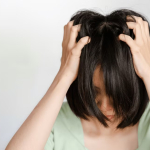
Although sweat may not directly cause hair loss, it can make certain existing scalp concerns more noticeable. A sweaty scalp can feel itchy, sticky, or irritated. People may then touch, rub, or scratch the area more frequently.
Friction is another consideration. Tight caps, helmets, headbands, and other accessories can rub against hair and create mechanical stress. If hair is already fragile, repeated friction can contribute to breakage.
There is also the issue of wet hair. Hair is more vulnerable to stretching and breakage when wet, particularly when it is handled roughly. Vigorous towel drying, brushing wet hair aggressively, or tying damp hair tightly can place unnecessary stress on the hair shaft.
Therefore, the concern should not simply be “sweat equals hair loss.” Instead, consider the complete routine surrounding sweating, including scalp hygiene, drying habits, hairstyles, and hair accessories.
Sweating, Dandruff, and Scalp Irritation
Dandruff and scalp irritation can become more troublesome when the scalp is frequently exposed to heat, moisture, and product buildup. However, sweat should not automatically be considered the underlying cause of dandruff.
Several factors can contribute to flaking and scalp irritation, and persistent symptoms may require professional evaluation. Scratching can further irritate the scalp and may result in temporary increases in visible shedding.
If your scalp repeatedly becomes very itchy after sweating, pay attention to whether the symptoms are accompanied by redness, scaling, sores, or unusual hair loss. These signs may indicate that the issue is more than ordinary post-workout perspiration.
Practical Hair-Care Tips for People Who Sweat Frequently
If you sweat heavily, a few simple habits can help keep your scalp comfortable.
Cleanse according to your scalp needs. People with oily scalps may need more frequent washing than those with dry scalps. Choose a suitable shampoo and avoid unnecessarily harsh cleansing.
Do not leave the scalp damp for excessively long periods. After exercising, allow sweat to evaporate or gently dry the scalp. Avoid tying wet hair tightly.
Wash workout accessories regularly. Caps, headbands, helmet liners, and towels can collect sweat, oil, and product residue. Keeping them clean can support better scalp hygiene.
Avoid excessive scratching. If your scalp itches frequently, identify the reason rather than repeatedly scratching the area.
Be gentle with wet hair. Use a soft towel and avoid aggressive rubbing. If brushing is necessary, handle wet hair carefully.
Keep styling products under control. Heavy gels, waxes, sprays, and oils can contribute to buildup when combined with sweat. Use products appropriately and cleanse the scalp regularly.
When Hair Loss Should Not Be Blamed on Sweat
Significant or persistent hair loss deserves attention, particularly when it involves visible thinning, widening of the hair part, receding hairline, bald patches, or sudden heavy shedding.
Hair loss can have numerous causes. Hereditary pattern hair loss is one of the most common. Other possibilities include nutritional deficiencies, thyroid-related problems, hormonal changes, certain illnesses, stress-related shedding, scalp disorders, and medication-related effects.
If hair fall continues despite maintaining good scalp hygiene, simply washing more frequently may not solve the problem. A dermatologist can evaluate the scalp and hair pattern and determine whether further examination or treatment is appropriate.
It is also useful to avoid relying on online claims that promise a single explanation for every type of hair fall. Hair growth is influenced by multiple biological processes, and the right approach depends on the underlying cause.
Building a Balanced Scalp-Care Routine
Healthy hair care does not require an unnecessarily complicated routine. The goal is to keep the scalp clean and comfortable while minimizing avoidable damage to the hair shaft.
For someone who sweats frequently, this may mean washing after particularly intense workouts, while someone with a dry scalp may prefer less frequent cleansing. There is no universal schedule that works perfectly for everyone.
Pay attention to how your scalp responds. Excessive dryness, persistent oiliness, itching, or flaking can indicate that your current routine needs adjustment. Choose gentle products that suit your hair and scalp type rather than following every trend on social media.
Hydration, a balanced diet, adequate sleep, stress management, and general health also contribute to maintaining healthy hair. While these habits cannot guarantee that hair loss will never occur, they can support overall hair and scalp health.
Final Thoughts
The question does sweating cause hair loss has a reassuring answer: ordinary sweating is not usually a direct cause of permanent hair loss. Sweat is a normal bodily function, and exercise should not be avoided because of concerns about perspiration.
However, excessive sweating can make the scalp oily or uncomfortable and may contribute indirectly to irritation, buildup, scratching, or hair breakage when combined with poor scalp-care practices. This is particularly relevant for people who exercise frequently, live in hot climates, or wear head coverings for long periods.
Rather than focusing solely on sweat, consider your complete hair-care routine and look for other possible causes if shedding becomes persistent or excessive. Keeping the scalp clean, handling wet hair gently, maintaining clean accessories, and seeking professional advice when unusual hair loss occurs can help you take a more informed approach to hair health.
Ultimately, sweating is not the enemy of healthy hair. The key is understanding your scalp, responding to its needs, and maintaining consistent habits that protect both the scalp and the hair you already have.