





Cerebral palsy affects each person differently, which means treatment plans should be built around individual abilities, symptoms, goals, and daily challenges. For families exploring Cerebral Palsy Treatment In Dubai, an individualized approach can help healthcare professionals address mobility, communication, posture, muscle tone, independence, and other needs. A coordinated care team may include rehabilitation specialists, physical therapists, occupational therapists, speech therapists, and other professionals. When appropriate, services such as Doctor at Home can also provide convenient medical support for individuals who may find travel difficult. The overall objective is to support meaningful function and quality of life rather than follow a single treatment formula.
Why Individualized Care Matters:
Cerebral palsy is a group of neurological conditions that can affect movement and posture, with associated activity limitations varying from one individual to another. Some people may walk independently, while others may require mobility equipment. Similarly, one person may have significant muscle stiffness while another experiences more difficulty with coordination or involuntary movements. Because these differences influence everyday needs, treatment goals should be developed after an appropriate assessment rather than applying identical therapies to everyone.
Individualized planning may consider:
- Age and developmental stage
- Movement abilities
- Muscle tone and strength
- Balance and coordination
- Communication abilities
- Feeding and swallowing needs
- Cognitive and learning needs
- Pain and fatigue
- Level of independence
- Family and caregiver support
Assessing Current Abilities and Challenges:
A thorough assessment provides the foundation for a personalized care plan. Healthcare professionals may review medical history, movement patterns, posture, muscle tone, joint mobility, communication, daily activities, and participation at home or in the community. The assessment may also identify challenges that are not immediately obvious, such as difficulty with transfers, fatigue during walking, or problems completing personal-care tasks.
The assessment process can help determine:
- What activities the person can perform independently
- Where assistance is required
- Which movements are difficult
- Whether pain affects participation
- What equipment may be useful
- Which skills should become treatment priorities
Regular reassessment is important because needs can change with growth, development, aging, and changes in daily responsibilities.
Setting Meaningful Treatment Goals:
Treatment goals are more useful when they relate to real-life activities. Instead of focusing only on improving a physical measurement, the care team may establish goals connected with independence and participation. For example, a child may work toward improved classroom participation, while an adult may prioritize safe workplace mobility or independent personal care.
Examples of functional goals include:
- Improving safe walking
- Making transfers easier
- Increasing independence with dressing
- Supporting communication
- Improving sitting or standing posture
- Managing discomfort
- Increasing participation in school or work
- Using mobility equipment safely
Goals should be realistic, measurable when possible, and reviewed periodically.
Tailoring Physical Therapy:
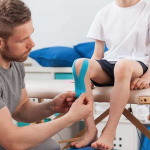
Physical therapy is commonly incorporated into cerebral palsy rehabilitation to address movement, strength, flexibility, balance, posture, and functional mobility. However, the exercises selected should reflect the individual's abilities and objectives. Someone who walks independently may need a different program from someone who uses a wheelchair, while a person with significant muscle stiffness may have different needs from someone whose primary difficulty involves coordination.
A customized physical therapy program may include:
- Stretching and range-of-motion activities
- Strengthening exercises
- Balance training
- Walking practice
- Transfer training
- Postural exercises
- Endurance activities
- Functional movement practice
The program can be modified as abilities and goals change.
Adapting Occupational Therapy to Daily Activities:
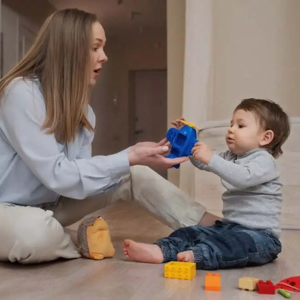
Occupational therapy focuses on practical activities that support independence and participation. For people with cerebral palsy, this may involve dressing, eating, grooming, writing, using technology, preparing simple tasks, or interacting with the environment. Therapists may recommend adaptive techniques or equipment to make activities more accessible.
An individualized occupational therapy plan may address:
- Fine motor skills
- Hand coordination
- Self-care activities
- School-related tasks
- Workplace activities
- Adaptive equipment
- Environmental modifications
- Energy conservation
The emphasis is on helping the person participate in activities that are important to their daily life.
Addressing Communication and Feeding Needs:
Some individuals with cerebral palsy experience communication difficulties, while others may have challenges involving chewing or swallowing. Speech and language professionals can assess these needs and develop appropriate strategies. Communication support may involve speech exercises, alternative communication methods, or assistive technology. Feeding support may involve recommendations about positioning, food textures, pacing, or other strategies when clinically appropriate.
A personalized plan may therefore consider:
- Speech development
- Understanding and expressing language
- Alternative communication
- Safe swallowing
- Eating and drinking skills
- Appropriate feeding equipment
- Communication in school, work, and social settings
Any persistent swallowing difficulty should be assessed by an appropriate healthcare professional.
Considering Pain, Fatigue, and Comfort:
Pain and fatigue can affect participation in therapy and everyday activities. The causes may differ between individuals and can be associated with muscle stiffness, posture, movement patterns, orthopedic problems, or other health conditions. A care plan should consider these factors instead of treating mobility in isolation.
Caregivers can help by documenting:
- When discomfort occurs
- Activities associated with pain
- Changes in sleep
- Fatigue during physical activity
- Changes in walking or transfers
- New limitations in daily activities
This information can help the healthcare team determine whether further assessment or treatment adjustments are needed.
Choosing Appropriate Mobility Equipment:
Some people with cerebral palsy benefit from assistive devices such as walkers, wheelchairs, standing systems, or orthotic devices. Equipment selection should be based on individual mobility, posture, strength, safety, environment, and functional goals. A device that works well for one person may not be suitable for another.
Healthcare professionals may evaluate:
- Postural control
- Walking ability
- Transfer skills
- Upper-body strength
- Seating requirements
- Home accessibility
- Community mobility
- Equipment fit
Regular reviews are useful because physical growth, changing abilities, and equipment wear can affect suitability.
Involving Families and Caregivers:
Family members and caregivers often provide daily support, making their involvement valuable when developing practical treatment plans. They can help maintain recommended routines, assist with exercises, monitor changes, and communicate observations to the care team. At the same time, caregivers should receive appropriate instruction rather than being expected to perform unfamiliar clinical techniques independently.
Caregiver involvement may include:
- Following prescribed home exercises
- Supporting safe mobility
- Organizing appointments
- Monitoring equipment
- Recording changes
- Supporting personal-care goals
- Communicating concerns to professionals
A collaborative approach can help ensure that treatment recommendations are realistic for the home environment.
Adapting Care Across Different Life Stages:
Individual needs can change throughout life. Young children may have developmental and early-intervention goals, while school-age children may need support with education and social participation. Adolescents may focus more on independence, and adults may have priorities related to employment, community participation, physical activity, or maintaining mobility.
Treatment planning may therefore evolve to address:
- Developmental milestones
- Educational participation
- Independent living skills
- Employment needs
- Community access
- Physical activity
- Long-term mobility
- Aging-related changes
Regular reassessment allows the care plan to remain relevant as priorities change.
Coordinating a Multidisciplinary Team:
Cerebral palsy can involve several areas of functioning, so care may require input from multiple professionals. Depending on individual needs, the team may include physicians, rehabilitation specialists, physical therapists, occupational therapists, speech and language professionals, orthotists, nutrition professionals, and other specialists. Coordination helps ensure that different interventions support shared goals rather than operating separately.
Effective coordination may involve:
- Shared treatment goals
- Regular progress reviews
- Clear caregiver instructions
- Communication between specialists
- Updated medication and equipment information
- Documentation of changes in function
This approach can help connect medical treatment with practical everyday needs.
Reviewing and Updating the Care Plan:
A cerebral palsy care plan should not remain unchanged indefinitely. Changes in growth, physical abilities, pain, mobility, equipment, lifestyle, or personal goals may require adjustments. Caregivers should communicate significant changes to the appropriate healthcare professionals rather than independently modifying treatment.
A review may be appropriate when there are:
- New mobility difficulties
- Increased stiffness
- Recurrent falls
- New pain
- Changes in communication
- Feeding or swallowing concerns
- Equipment problems
- Reduced independence
- Major changes in daily routines
Regular evaluation keeps treatment focused on current needs and meaningful outcomes.
Final Thoughts:
Cerebral palsy treatment works best when the care plan reflects the individual's unique abilities, challenges, environment, and goals. Physical therapy, occupational therapy, communication support, mobility equipment, caregiver involvement, and medical management can all be adapted according to personal requirements. A multidisciplinary team can regularly reassess progress and make appropriate adjustments as circumstances change. By focusing on practical goals and coordinated support, individualized care can help people with cerebral palsy work toward greater participation, safety, comfort, and independence in everyday life.