



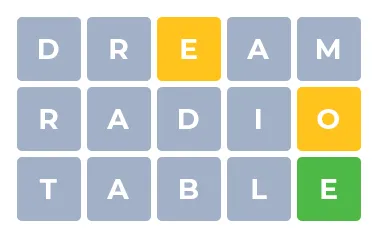
Wordle is a deceptively simple word game that captured the attention of millions around the world. At first glance, it looks like just another online puzzle: guess a five-letter word in six attempts or fewer. Yet its popularity reveals something deeper about how people enjoy games, language, and shared daily rituals. Wordle is not only entertaining—it is a fascinating example of how minimalist design can create a powerful cultural moment.
How Wordle Works
The rules are easy to learn. Players enter a five-letter word, and the game responds with color-coded feedback:
- Green: the letter is correct and in the right position
- Yellow: the letter is in the word but in the wrong position
- Gray: the letter is not in the word
This feedback system turns each guess into a process of logic, deduction, and linguistic pattern recognition. Unlike many games that rely on speed, action, or complex strategy, Wordle rewards patience and reasoning.
Why Wordle Became So Popular
One major reason for Wordle’s success is its accessibility. It is free, simple, and can be played in just a few minutes. People of different ages and backgrounds can enjoy it without needing special skills or gaming experience. In a digital world filled with complicated apps and endless content, Wordle offers a refreshing sense of focus.
Another key factor is its social aspect. Although each person plays independently, the results are easy to share. The colored grid creates a unique form of online communication that lets players compare performances without spoiling the answer. This gave Wordle a strong presence on social media, where people could celebrate successes, complain about difficult words, and discuss strategies.
The game also benefits from its “one puzzle per day” format. Unlike endless games that encourage excessive play, Wordle creates anticipation. Players return daily, which builds habit without overwhelming them. This limited structure may be one reason the game felt so special: it turned a small puzzle into a daily event.
Educational and Cognitive Value
Wordle is more than a pastime. It can support vocabulary development, spelling skills, and logical thinking. Players often learn to think carefully about letter frequency, word structure, and elimination strategies. For students, language learners, and puzzle enthusiasts, Wordle can be both fun and instructive.
Some educators and linguists have praised the game for encouraging word awareness. Because players must consider multiple possibilities, Wordle promotes active thinking rather than passive guessing. In this sense, it serves as a lightweight exercise for the brain.
Criticisms and Limitations
Despite its popularity, Wordle is not without criticism. Some players argue that it can become repetitive over time. Since only one puzzle is offered each day, the game may not hold the attention of users seeking longer or more complex challenges. Others note that it may favor players with stronger vocabulary or those familiar with English word patterns.
There is also the question of exclusivity. Wordle’s original version uses English five-letter words, which can limit access for non-native speakers or people in other language communities. While many versions and adaptations now exist, the game’s format still reflects certain linguistic assumptions.
Lasting Significance
Wordle’s greatest achievement may be proving that a simple idea, done well, can have enormous impact. It shows that people still value puzzles that are thoughtful, concise, and shareable. In an age of constant digital noise, Wordle offers a small but meaningful daily moment of concentration.
Ultimately, Wordle is not just a game about guessing words. It is a reminder that creativity does not always require complexity. Sometimes, the most memorable experiences are built from the simplest rules.