



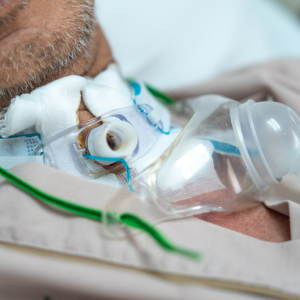




Changes in appetite are common during the recovery period after surgery. Some patients may feel less hungry than usual, while others may experience changes in taste, nausea, fullness, or difficulty eating normal portions. Managing these changes is an important part of recovery because the body needs adequate nutrition and fluids to support healing. Post-Surgical Care at Home in Dubai can help patients maintain appropriate daily routines while professional guidance, including support from a Doctor at Home when appropriate, can help address concerns related to appetite and recovery.
Understand Why Appetite May Change After Surgery:
Several factors can affect appetite after an operation. Pain, fatigue, anesthesia, medications, stress, reduced activity, constipation, nausea, and changes in taste or smell may make food less appealing. Some patients may also experience temporary digestive changes after certain procedures. Appetite changes can vary from one person to another and may improve as recovery progresses. Understanding that reduced appetite can occur after surgery can help patients avoid unnecessary worry while still paying attention to their nutritional needs. Persistent or severe changes should be discussed with the healthcare provider.
Start With Small, Frequent Meals:
Eating large meals may feel difficult when appetite is reduced. Instead, patients can consider smaller portions spread throughout the day if this approach is compatible with their dietary instructions. Small meals may feel more manageable and can make it easier to consume enough nutrients without feeling overly full. Patients should choose foods that provide useful nutrition rather than relying primarily on foods with little nutritional value. A simple eating schedule can also prevent long periods without food and make meals a predictable part of the recovery routine.
Choose Nutrient-Rich Foods:
When appetite is limited, the nutritional quality of meals becomes particularly important. Foods containing protein, carbohydrates, healthy fats, vitamins, and minerals can provide valuable nutrients in manageable portions. Depending on individual dietary requirements, suitable choices may include eggs, yogurt, lean meats, fish, legumes, vegetables, fruits, whole grains, and other balanced foods. Patients should follow any dietary restrictions provided after surgery. If eating a normal diet is difficult, a healthcare professional or registered dietitian can provide personalized nutritional recommendations.
Maintain Adequate Hydration:
Reduced appetite can sometimes occur alongside lower fluid intake. Staying adequately hydrated is important during recovery unless the patient's healthcare provider has recommended a fluid restriction. Patients can keep suitable fluids nearby and take regular drinks throughout the day. Water may be the primary choice, while other appropriate beverages can be included according to individual dietary needs. Signs such as very dark urine, unusual weakness, dizziness, or persistent dry mouth should not be ignored. Patients who are unable to maintain adequate fluid intake should seek professional advice.
Manage Nausea and Digestive Discomfort:
Nausea can make eating particularly difficult after surgery. Some patients may experience nausea because of anesthesia, pain medicines, or other postoperative factors. Eating slowly, choosing smaller meals, and avoiding foods that consistently trigger discomfort may help some people, but patients should follow their healthcare provider's instructions. Prescribed anti-nausea medication should be taken exactly as directed. Persistent vomiting, inability to keep fluids down, severe abdominal pain, or other concerning digestive symptoms should be reported promptly because they may require medical evaluation.
Make Meals More Appealing:
Changes in taste or smell can make familiar foods seem less enjoyable after surgery. Patients can experiment with different textures and mild flavors when permitted by their dietary plan. Attractive presentation and comfortable surroundings may also make meals more inviting. Strong smells from cooking can worsen nausea for some people, so preparing simple meals in a well-ventilated area may be helpful. Family members and caregivers can ask the patient what foods seem appealing rather than repeatedly offering foods the patient currently finds unpleasant.
Include Protein for Recovery:
Protein plays an important role in many body functions, including tissue maintenance and healing. When appetite is poor, patients may unintentionally consume less protein than usual. Including an appropriate protein source in meals or snacks can help improve the nutritional value of smaller portions. Depending on the patient's dietary needs, options may include eggs, dairy products, fish, poultry, beans, lentils, tofu, or other suitable sources. Patients with kidney disease or other conditions requiring dietary restrictions should consult their healthcare provider before making significant changes to protein intake.
Keep Meals Simple and Convenient:
Preparing complicated meals can become difficult when a patient is tired or has limited mobility. Families and caregivers can make eating easier by preparing simple, balanced meals in advance. Foods that require minimal preparation can reduce the physical effort involved in mealtimes. Useful strategies may include:
- Preparing smaller portions
- Keeping healthy snacks accessible
- Storing ready-to-eat meals safely
- Placing drinks within easy reach
- Following prescribed dietary restrictions
- Maintaining regular mealtimes
Convenience should not come at the expense of food safety or nutritional quality.
Create a Comfortable Eating Environment:
The environment surrounding meals can influence how willing a patient feels to eat. Patients may have a better experience when they are seated comfortably and have enough time to eat without pressure. Caregivers should avoid forcing food because this can make mealtimes stressful. Instead, they can offer encouragement and provide appropriate choices. If the patient has difficulty sitting upright, swallowing, using utensils, or feeding independently, the healthcare team should be consulted for appropriate recommendations.
Manage Constipation and Reduced Digestion:
Constipation can contribute to abdominal discomfort and reduced appetite after surgery. Changes in physical activity, medications, diet, and fluid intake may all contribute to digestive changes. Patients should follow their healthcare provider's recommendations regarding movement, fluids, fiber, and any prescribed medication for constipation. They should not start supplements or laxatives without appropriate advice, particularly after certain types of surgery. Persistent abdominal discomfort, severe constipation, vomiting, or inability to pass stool or gas should be discussed with a healthcare professional.
Avoid Skipping Food for Long Periods:
Patients with poor appetite may unintentionally go many hours without eating. While forcing large meals is not necessary, prolonged inadequate intake can make it harder to meet nutritional needs during recovery. A routine of small meals and appropriate snacks may be easier to maintain. Caregivers can keep a simple record of meals and fluids when the patient is struggling to eat, especially if the healthcare team has requested monitoring. This record can help identify patterns and provide useful information during follow-up appointments.
Monitor Changes in Weight and Energy:
Significant appetite changes can sometimes result in unintended weight loss and reduced energy. Patients and caregivers should pay attention to ongoing changes rather than focusing on a single day's intake. Unexplained weight loss, persistent weakness, worsening fatigue, or difficulty completing normal recovery activities should be discussed with the healthcare provider. Patients recovering from major procedures or those with existing medical conditions may require closer nutritional monitoring. Professional support can help identify whether additional dietary intervention is appropriate.
Communicate With the Healthcare Team:
Patients should tell their healthcare provider when appetite changes persist, become severe, or interfere with recovery. Medical professionals can determine whether the change may be related to medications, postoperative symptoms, underlying health conditions, or another factor. Depending on the situation, the healthcare team may recommend medication adjustments, dietary changes, nutritional assessment, or additional evaluation. Patients should avoid making major dietary or medication changes independently based solely on appetite changes.
Make Nutrition Part of the Recovery Routine:
Good nutrition works alongside rest, appropriate movement, medication management, wound care, and follow-up appointments. Patients can make eating easier by planning meals, maintaining hydration, getting adequate rest, and accepting appropriate assistance from caregivers. Professional home healthcare can also help patients who have difficulty preparing meals, maintaining routines, or managing other daily recovery needs. A structured approach allows families to notice changes early and communicate relevant information to healthcare professionals.
Final Thoughts:
Appetite changes after surgery can make it challenging to maintain adequate nutrition, but simple strategies can make meals more manageable. Small frequent meals, nutrient-rich foods, adequate hydration, comfortable mealtimes, and attention to digestive symptoms can support a healthier recovery routine. Post-Surgical Care at Home in Dubai can provide valuable assistance to patients who need support with daily postoperative needs while they regain strength. If poor appetite persists or is accompanied by significant weight loss, dehydration, repeated vomiting, severe pain, or worsening weakness, patients should contact their healthcare provider promptly for appropriate evaluation.