

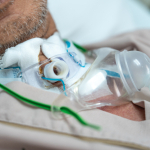






Weather and air quality can have a noticeable effect on people living with a tracheostomy, especially when they receive ongoing Tracheostomy care at home Dubai. Because a tracheostomy changes the normal pathway through which air enters the lungs, the airway may be more exposed to dry air, dust, pollutants, and temperature changes. Proper planning, regular monitoring, and guidance from healthcare professionals can help reduce discomfort and protect airway health. For individuals who require routine assessment, a Doctor at Home service may also provide convenient non-emergency support without disrupting the patient's home routine.
Why Weather Matters for Tracheostomy Patients:
Weather conditions can influence mucus thickness, airway moisture, breathing comfort, and skin condition around the tracheostomy site. Cold and dry air can remove moisture from the airway, potentially making secretions thicker and harder to clear. Hot weather may increase fluid loss through sweating, while humid conditions can sometimes make breathing feel uncomfortable. Sudden changes between indoor air conditioning and outdoor heat may also affect overall comfort. For patients receiving regular tracheostomy care, caregivers should observe how different weather conditions affect breathing and secretions and follow the individualized care plan provided by the healthcare team.
How Dry Air Can Affect Airway Secretions:
A natural airway normally warms, filters, and humidifies incoming air. A tracheostomy bypasses some of these functions, which can make adequate humidification particularly important. Dry indoor environments, strong air conditioning, or dry outdoor weather may contribute to thicker secretions. Thick mucus can make coughing and secretion clearance more difficult and may increase the risk of mucus plugs. Depending on the patient's prescribed care plan, healthcare professionals may recommend appropriate humidification methods, hydration, or other measures to maintain airway moisture. Caregivers should not introduce new devices or treatments without professional guidance.
The Effects of Hot and Humid Weather:
Hot weather can affect tracheostomy patients in several ways. Increased sweating may contribute to fluid loss, potentially making airway secretions thicker if adequate fluid intake is not maintained. High humidity can also make the environment feel uncomfortable, particularly for patients who already experience breathing difficulties. During hot periods, caregivers can help by keeping the indoor environment comfortable, following recommended hydration plans, and limiting unnecessary exposure to extreme outdoor temperatures. Patients with medical conditions that restrict fluid intake should follow their healthcare provider's specific instructions rather than increasing fluids independently.
How Air Pollution Can Influence Tracheostomy Care:
Poor air quality can be particularly concerning for individuals with sensitive airways. Dust, smoke, vehicle emissions, construction particles, and other airborne pollutants may irritate the respiratory system. Since a tracheostomy provides a direct airway opening, exposure to contaminated or heavily polluted air may increase coughing, discomfort, or secretion production in some individuals. Checking local air-quality information before outdoor activities can help families make informed decisions. When air quality is poor, reducing unnecessary outdoor exposure and keeping windows closed when appropriate may help limit contact with pollutants.
Protecting the Tracheostomy From Dust and Irritants:
Dust and airborne particles can enter the tracheostomy opening if appropriate precautions are not taken. This can be especially relevant in areas experiencing construction, sand, dust storms, or other environmental conditions that increase airborne particles. Patients should follow the specific instructions provided for their tracheostomy tube and prescribed protective equipment. General precautions may include:
- Keeping the tracheostomy area clean according to professional instructions.
- Avoiding direct exposure to dust, smoke, and strong chemical fumes.
- Using prescribed protective coverings when appropriate.
- Keeping indoor spaces reasonably clean and well maintained.
- Avoiding activities that create excessive dust near the patient.
- Following the healthcare team's recommendations for humidification.
These measures can support cleaner air around the patient while reducing unnecessary airway irritation.
Air Conditioning and Indoor Air Quality:
Air conditioning can be helpful during very hot weather, but excessive cooling or dry indoor air may affect comfort and airway secretions. Poorly maintained air-conditioning systems may also contribute to dust and other airborne particles circulating indoors. Families should maintain household ventilation and air-conditioning equipment according to manufacturer recommendations and keep the patient's immediate environment comfortable. The room should also be free from cigarette smoke, strong fragrances, aerosols, and harsh cleaning fumes. When managing Tracheostomy care at home Dubai, attention to indoor air quality can be an important part of creating a supportive care environment.
Seasonal Changes and Daily Tracheostomy Routines:
Changes between seasons may require caregivers to pay closer attention to the patient's airway. Winter conditions may increase dryness, while summer heat can contribute to fluid loss and discomfort. Dusty periods can increase exposure to airborne particles, and sudden weather changes may influence outdoor plans. A consistent daily routine can make it easier to notice changes in mucus, breathing, skin condition, or general comfort. Caregivers can maintain a simple record of relevant observations, including:
- Changes in mucus color, thickness, or amount.
- Increased coughing or difficulty clearing secretions.
- Changes in breathing comfort.
- Irritation or redness around the tracheostomy site.
- Unusual fatigue or reduced activity.
- Environmental conditions that appear to worsen symptoms.
Sharing meaningful changes with the healthcare team can help determine whether the care plan needs reassessment.
Recognizing Warning Signs During Poor Weather or Air Quality:
Environmental exposure should not be assumed to be the only reason for a change in symptoms. New or worsening respiratory symptoms may indicate a complication requiring prompt medical assessment. Caregivers should seek professional advice if the patient develops unusual breathing difficulty, persistent or worsening coughing, significant changes in secretions, fever, increasing redness or swelling around the tracheostomy site, or other symptoms that are outside the patient's normal pattern. Severe breathing difficulty, major oxygenation or skin-color changes, significant bleeding, suspected complete airway obstruction, loss of consciousness, or serious tube displacement accompanied by breathing problems should be treated as emergencies requiring immediate emergency medical assistance.
Preparing for Outdoor Activities:
Patients with tracheostomies may still be able to enjoy appropriate outdoor activities when their healthcare team considers them safe. Planning around weather and air quality can make these activities more comfortable. Families can check environmental conditions before leaving home, avoid periods of extreme heat or heavy pollution, and carry necessary tracheostomy supplies. Any emergency equipment or prescribed items should be available according to the patient's individual care plan. Caregivers should also know how to respond if the patient's breathing or airway condition changes while away from home.
How Professional Home Care Can Support Weather-Related Needs:
Professional home healthcare can help families maintain consistent tracheostomy routines throughout changing environmental conditions. Trained healthcare professionals can assess the patient's overall condition, reinforce appropriate airway-care techniques, and help caregivers understand when changes require medical attention. Professional support may be especially useful for patients who need regular monitoring or whose families require additional education. However, emergency airway problems should never be delayed while waiting for a routine home visit.
Final Thoughts:
Weather and air quality are important considerations for patients living with a tracheostomy. Dry air, heat, humidity, dust, pollution, smoke, and indoor air quality can all influence airway comfort and secretion management. By maintaining appropriate humidification, following hydration instructions, reducing exposure to pollutants, monitoring environmental conditions, and maintaining a consistent care routine, families can support safer day-to-day tracheostomy management. Most importantly, every patient has individual needs, so caregivers should follow the care plan established by qualified healthcare professionals and seek prompt medical attention whenever serious or unexpected symptoms occur.