

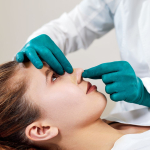


Rhinoplasty is a specialized nose-reshaping procedure that can change the appearance of the nose and, in selected cases, address functional concerns such as breathing difficulties. Because the nose strongly influences overall facial balance, choosing the right cosmetic surgery clinic is an important part of achieving a safe and natural-looking outcome. If you are considering Rhinoplasty in Islamabad, do not make your decision based only on social media photographs, promotional offers, or the lowest quoted price. A professional clinic should demonstrate appropriate medical expertise, transparent communication, proper safety measures, and structured follow-up care.
What Makes a Rhinoplasty Clinic Professional?
A professional cosmetic surgery clinic should provide more than an attractive consultation room or impressive online marketing. The quality of care depends on the surgeon, facility, surgical planning, anesthesia arrangements, and aftercare.
When comparing clinics, look for:
- A qualified and appropriately trained plastic surgeon
- Specific experience with rhinoplasty and nasal surgery
- A properly equipped and safe surgical facility
- Clear consultation and treatment planning
- Genuine before-and-after photographs
- Realistic discussion of potential risks and limitations
- Proper postoperative monitoring and follow-up
- Transparent communication about the procedure and recovery
Professional surgical organizations also recommend checking a surgeon's qualifications, training, facility standards, experience, and approach to complications before choosing cosmetic surgery.
Check the Surgeon’s Qualifications and Rhinoplasty Experience
One of the first steps is verifying who will actually perform your surgery. A professional clinic should clearly identify the surgeon, qualifications, specialty training, and relevant surgical experience.
However, general cosmetic experience is not necessarily the same as extensive rhinoplasty experience. Rhinoplasty involves detailed nasal anatomy, cartilage, bone, skin thickness, facial proportions, and sometimes functional concerns. Therefore, ask specifically about the surgeon's experience with nose reshaping procedures.
Useful questions include:
- What is your surgical specialty?
- How much experience do you have with rhinoplasty?
- Which rhinoplasty technique may be suitable for me?
- How do you evaluate breathing and nasal structure?
- Where will my procedure be performed?
- How are possible complications managed?
A qualified surgeon should be comfortable answering these questions without making unrealistic promises.
Look for a Proper Patient Assessment
A professional rhinoplasty clinic should not recommend surgery simply from a photograph or a short conversation. Your consultation should involve an assessment of your facial proportions, nasal structure, medical history, expectations, and—when relevant—breathing concerns.
The surgeon should explain what can realistically be changed and what cannot.
This is especially important because rhinoplasty should generally be planned around the individual rather than copying another person's nose. A suitable result should complement your facial characteristics rather than appear artificially different.
A good consultation should therefore include:
- Discussion of your aesthetic goals
- Examination of the nose and facial proportions
- Review of relevant medical history
- Assessment of functional concerns
- Explanation of possible surgical approaches
- Discussion of recovery and expected swelling
- Clear explanation of potential risks
Taking time for consultation is also consistent with patient-safety guidance for cosmetic procedures.
Evaluate Before-and-After Results Carefully
Before-and-after photographs can help you understand a surgeon's approach, but they should not be treated as a guarantee of your own result.
When reviewing photographs, look for consistency rather than one dramatic transformation. Ideally, photographs should show comparable angles and provide a realistic representation of outcomes.
Pay attention to whether:
- The nose appears proportionate to the face
- The results look natural rather than exaggerated
- Different types of nasal anatomy are represented
- Photographs appear consistent and professionally presented
- The clinic can explain what type of procedure produced the result
Remember that healing varies between patients. Swelling and tissue changes can continue for months, so a professional clinic should set realistic expectations instead of promising an instant final appearance.
Assess Surgical Safety and Facility Standards
A skilled surgeon also needs an appropriate environment in which to perform surgery. Ask where the rhinoplasty will take place and what safety arrangements are available.
A professional facility should have appropriate surgical equipment, trained support staff, anesthesia arrangements, infection-control procedures, and a plan for responding to unexpected complications.
Do not hesitate to ask:
- Where will the operation be performed?
- Who will provide anesthesia?
- What monitoring is used during surgery?
- What happens if a complication occurs?
- How long will postoperative observation continue?
- Who should I contact after surgery?
Facility standards and anesthesia support are important parts of cosmetic-surgery safety, not secondary details.
Consider Communication and Personalized Treatment
Good rhinoplasty care should feel like a medical consultation, not a sales presentation. The surgeon should listen carefully to your concerns and explain options in language you understand.
Be cautious if a clinic:
- Guarantees a perfect result
- Pressures you to book immediately
- Focuses entirely on discounts
- Avoids discussing risks
- Cannot clearly identify the operating surgeon
- Uses heavily edited photographs as its main evidence
- Recommends unnecessary procedures without proper explanation
A trustworthy clinic should give you enough information and time to make an informed decision.
Why Aftercare Matters
Rhinoplasty does not end when the surgery is completed. Follow-up appointments allow the surgical team to monitor healing, swelling, nasal function, and the developing result.
Before booking, ask what postoperative support is included. Find out when your first follow-up will occur, how long routine monitoring continues, and whom you should contact if you experience unexpected symptoms.
A clinic with a structured aftercare pathway demonstrates that it views rhinoplasty as a complete patient journey rather than a single procedure.
Choosing SKN Cosmetics in Islamabad
For patients researching cosmetic surgery options locally, SKN Cosmetics in Islamabad can be considered as part of the clinic-comparison process. When evaluating SKN or any other provider, patients should focus on the same important criteria: surgeon qualifications, rhinoplasty experience, consultation quality, facility safety, personalized treatment planning, realistic expectations, and postoperative support.
The goal should not simply be to find a clinic that advertises rhinoplasty. Instead, look for a professional environment where your anatomy and goals are assessed carefully, treatment options are explained clearly, and safety remains a priority throughout the process.
Final Checklist Before Booking Rhinoplasty
Before making your final decision, use this simple checklist:
- Verify the surgeon's qualifications and specialty.
- Ask about specific rhinoplasty experience.
- Attend a proper one-to-one consultation.
- Review genuine and relevant before-and-after results.
- Understand the proposed surgical technique.
- Ask about anesthesia and facility safety.
- Discuss risks, recovery, and realistic expectations.
- Confirm postoperative follow-up arrangements.
- Avoid choosing solely because of a low price.
- Take time to compare your options before committing.
FAQs
1. How do I choose a rhinoplasty clinic in Islamabad?
Check surgeon qualifications, rhinoplasty experience, facility safety, patient reviews, results, consultation quality, and aftercare.
2. Is rhinoplasty only for cosmetic purposes?
No. Rhinoplasty can improve appearance and may also address selected structural or breathing-related concerns.
3. What should I ask during a rhinoplasty consultation?
Ask about the surgeon's experience, technique, expected results, risks, recovery, facility, anesthesia, and follow-up care.
4. Are before-and-after photos important?
Yes. They can help you understand a surgeon's approach, but they cannot guarantee your individual result.
5. Should I choose a rhinoplasty clinic based on price?
No. Safety, qualifications, experience, treatment planning, and aftercare should be considered before price.
In short, the right rhinoplasty clinic is one that combines qualified expertise, careful assessment, appropriate surgical facilities, honest communication, and dependable follow-up. Taking time to verify these factors can help you make a more informed decision about your nose surgery in Islamabad