

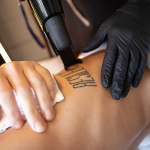

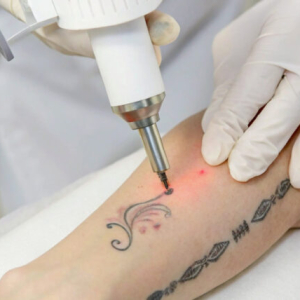

Tattoo removal is more than simply directing a laser at unwanted ink. The color, depth, size, location of the tattoo, skin tone, and previous treatments can all influence how the skin responds. This is why the experience of the specialist performing the procedure can make a meaningful difference. Modern laser systems can break tattoo pigments into smaller particles that the body gradually clears, but choosing appropriate settings and wavelengths requires careful assessment.
For people considering Tattoo Removal in Islamabad, selecting a medically qualified and experienced specialist can help create a treatment plan focused on both effective fading and skin safety. Instead of promising instant results, a responsible specialist evaluates the tattoo individually, explains realistic expectations, and adjusts treatment according to the patient's response.
Why Specialist Experience Matters in Tattoo Removal
Laser tattoo removal requires technical knowledge as well as practical experience. Different pigments respond differently to laser wavelengths, while skin pigmentation can affect the risk of temporary or longer-lasting changes in skin color.
An experienced specialist can assess:
- Tattoo color and ink composition
- Tattoo size and location
- Ink depth and density
- Skin tone and sensitivity
- Age of the tattoo
- Previous tattoo-removal treatments
- History of unusual scarring or pigmentation
- Expected response to laser treatment
This individualized assessment helps avoid a one-size-fits-all approach.
Accurate Laser and Setting Selection
One of the biggest advantages of working with an experienced professional is appropriate laser selection. Q-switched and picosecond technologies can use very short pulses to target tattoo pigments, but different wavelengths may be better suited to different colors and skin types.
A specialist understands that one laser wavelength does not necessarily work equally well for every tattoo. Black, blue, red, green, yellow, and lighter pigments may respond differently.
Experienced treatment planning therefore considers:
- Which wavelengths are appropriate for the pigment
- Energy level and pulse settings
- Skin type and pigmentation
- Treatment area
- Previous response to laser sessions
This precision can support better fading while reducing unnecessary exposure to laser energy.
Better Assessment Means More Realistic Expectations
Patients often want to know, “How many sessions will I need?” There is no universal number because tattoo removal varies from person to person.
Factors affecting the treatment timeline include:
- Ink color and concentration
- Tattoo size and depth
- Location on the body
- Skin tone
- Age of the tattoo
- Individual healing and immune response
The body needs time to clear fragmented pigment after treatment, which is why multiple sessions are commonly required rather than trying to remove all ink at once.
An experienced specialist can explain the likely treatment journey without guaranteeing unrealistic results.
Improved Safety Through Professional Evaluation
Laser treatment involves energy being delivered directly to the skin, so safety should always be a priority. A qualified specialist can identify factors that may increase the risk of complications and determine whether treatment should proceed.
During consultation, the specialist may review:
- Current medications
- Existing skin conditions
- Previous reactions to cosmetic procedures
- History of abnormal scarring
- Recent tanning or excessive sun exposure
- Previous tattoo-removal attempts
Professional assessment is particularly important for darker skin tones because inappropriate laser selection or settings can increase the risk of pigmentary changes.
Personalized Treatment Can Improve the Overall Experience
Experienced specialists do not focus only on the tattoo itself. They also consider patient comfort, treatment goals, and recovery.
A typical professional approach may include:
- Initial consultation: Examination of the tattoo and surrounding skin.
- Treatment planning: Selection of an appropriate laser and settings.
- Laser session: Controlled delivery of laser energy to the tattoo pigment.
- Post-treatment care: Instructions for protecting and caring for the treated skin.
- Follow-up: Assessment of fading and adjustment of future sessions.
This structured approach makes the treatment process easier to understand and helps patients know what to expect at each stage.
Why Aftercare Guidance Matters
The specialist's responsibility does not end when the laser session is completed. Proper aftercare supports healing and helps reduce avoidable irritation.
Patients may be advised to:
- Keep the treated area clean.
- Avoid scratching, picking, or rubbing the skin.
- Protect the area from excessive sun exposure.
- Follow recommended skincare instructions.
- Attend follow-up appointments as advised.
Temporary redness, swelling, blistering, or changes in pigmentation can occur after laser tattoo removal. Professional monitoring allows concerns to be identified and managed appropriately.
Choosing a Tattoo Removal Clinic in Islamabad
When selecting a clinic, patients should look beyond advertising claims and consider the qualifications and experience of the treatment provider. A trustworthy clinic should provide a proper consultation, explain potential risks, discuss expected results, and use suitable laser technology.
SKN Cosmetics in Islamabad provides laser tattoo removal services with treatment planning based on factors such as tattoo size, color, depth, and skin type. The clinic describes the use of Q-switched Nd:YAG and Pico laser technologies and emphasizes medically supervised treatment and individualized care.
Patients can also ask about the specialist's experience, the technology being used, expected number of sessions, possible side effects, and aftercare before beginning treatment.
Experienced Specialists Focus on Long-Term Skin Health
The goal of tattoo removal should not simply be to make the tattoo disappear as quickly as possible. Effective treatment also means protecting the surrounding skin and allowing adequate recovery between sessions.
Experienced specialists understand that patience is an important part of the process. Trying to treat aggressively or too frequently may increase the likelihood of unwanted skin reactions. A carefully planned treatment schedule gives the skin time to heal while allowing the body to gradually clear fragmented pigment.
Ultimately, specialist experience can influence several parts of the tattoo-removal journey—from initial assessment and laser selection to treatment settings, safety monitoring, aftercare, and realistic expectations. For anyone considering tattoo removal in Islamabad, choosing a qualified professional and a clinic that prioritizes individualized treatment can be an important step toward safer and more predictable results.
FAQs
Is tattoo removal completely painless?
Laser tattoo removal can cause temporary discomfort, but clinics may use cooling or numbing methods to improve comfort.
How many tattoo removal sessions are needed?
The number varies according to tattoo color, size, depth, skin type, and other individual factors.
Can all tattoo colors be removed?
Many colors can be treated, but some pigments are more challenging and may require specialized laser wavelengths.
Is laser tattoo removal safe for darker skin?
It can be performed safely with appropriate technology and settings, but careful assessment is especially important for darker skin tones.
Can I remove a tattoo in one session?
Usually not. Multiple sessions are commonly needed because the body requires time to clear fragmented tattoo pigmen