

Introduction
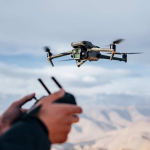
Drones have moved from being specialist aircraft used by a small group of operators to practical tools for photography, surveying, agriculture, infrastructure inspection, logistics, public safety and several commercial activities. As drone adoption grows, compliance is becoming just as important as the technology itself. A drone may be easy to purchase and operate, but using it lawfully requires attention to aircraft classification, registration, pilot requirements, airspace restrictions and operational conditions.
India's regulatory framework is primarily built around the Drone Rules, 2021, which apply to unmanned aircraft systems operated in or over India, subject to the exclusions stated in the rules. The framework was designed to support wider drone use while addressing safety and security concerns. For businesses and individual operators, understanding the practical requirements is therefore essential before a drone takes flight.
Understanding India's Drone Regulatory Framework
The Drone Rules, 2021 replaced the earlier regulatory framework and introduced a more streamlined system for civil drone operations. The rules cover people who own, possess, lease, operate, transfer or maintain unmanned aircraft systems, as well as drones registered in India and drones being operated in or over India.
The regulatory approach is based on factors such as the weight and intended operation of the drone. The principal categories include nano drones, micro drones, small drones, medium drones and large drones, with the relevant weight thresholds determining which requirements apply. This classification matters because pilot certification, registration and other compliance obligations can differ according to the category of aircraft.
Before operating a drone, users should also understand the applicable airspace restrictions. India's digital airspace framework divides areas into different zones, including zones where operations are permitted subject to applicable conditions and zones where operations are restricted or prohibited. Checking the current airspace map before every flight is a basic compliance step, particularly for commercial operators working across multiple locations.
Why Airspace Compliance Matters
A drone does not have the same freedom of movement as a camera mounted on a tripod or a vehicle travelling on a public road. It shares airspace with other aircraft and can create risks for people, property and critical infrastructure if operated carelessly.
Operators should verify whether the proposed flight area falls within a restricted zone and whether any temporary restrictions apply. Airports, defence installations and other sensitive locations may have additional restrictions. A flight that appears harmless from ground level can still create aviation or security concerns if it enters controlled or restricted airspace.
For this reason, checking the airspace status should be part of the flight planning process rather than something done after reaching the location. Businesses should also keep records of their operational checks, particularly where drones are used repeatedly for surveying, inspection or mapping.
Registration and Digital Compliance
One of the most important aspects of the regulatory system is digital compliance. The Digital Sky platform was created as the online system for several activities connected with unmanned aircraft operations. Depending on the aircraft and the applicable rules, operators may need to complete registration and other formalities before conducting operations.
The rules also place responsibilities on manufacturers, owners and operators. A person purchasing a drone should not assume that ownership alone provides permission to fly it anywhere. The aircraft's category, certification status, registration requirements and intended use all need to be considered.
Businesses should maintain a compliance file containing relevant ownership records, registration details, manufacturer information, pilot credentials where applicable, maintenance records and flight-related documentation. Keeping these records organised can make internal audits easier and can also help demonstrate responsible operations if questions arise from a regulator or another authority.
Remote Pilot Requirements
Pilot requirements depend on the type of drone and the applicable exemption or operational conditions. The Drone Rules provide a framework for remote pilot training and certification, while certain categories, including specified nano and micro drone operations, may receive different treatment under the rules.
The safest approach is to confirm the current requirements before assigning an employee or contractor to operate a drone. A person who is experienced with consumer drones may still not satisfy the requirements applicable to a particular commercial operation.
For organisations, pilot compliance should be treated as an operational responsibility rather than an informal skill check. Companies can maintain a list of approved pilots, track training or certification status and establish internal procedures for pre-flight checks, emergency response and reporting.
What Businesses Should Know About Commercial Drone Use
Commercial drone operations often involve more than simply taking photographs or collecting video. A construction company may use drones for site monitoring, an agricultural business may use them for crop-related activities, and an infrastructure operator may rely on aerial inspection. Each use case can raise different safety, privacy, contractual and regulatory questions.
Companies should define the purpose of each drone operation before beginning work. They should identify the location, proposed flight path, aircraft category, pilot, operating conditions and people or property that may be affected. If a project covers several sites, the compliance assessment should be repeated for each location because airspace conditions can differ.
Businesses should also consider contracts and insurance. Client agreements can specify who is responsible for permissions, flight planning, equipment and incidents. Appropriate insurance and risk allocation can reduce uncertainty when a drone operation forms part of a larger commercial project.
Privacy and Data Protection Considerations
Drone compliance is not limited to aviation rules. Cameras and sensors mounted on drones can capture images, video, location information and other data about people or property. This creates potential privacy concerns, particularly when flights take place over residential, commercial or public areas.
Operators should limit data collection to what is necessary for the stated purpose and should consider how recordings will be stored, accessed, shared and deleted. Businesses should also review applicable contractual and data protection obligations, especially when aerial imagery is collected for clients.
A clear internal policy can help. It may specify who can approve a drone flight, what data can be collected, how long it can be retained and who can access it. These steps are useful because a legally permitted flight can still create problems if the resulting data is handled irresponsibly.
Common Mistakes Operators Should Avoid
A frequent mistake is treating a drone as an ordinary consumer electronic device. The fact that a drone is commercially available does not mean that every flight is automatically permitted.
Another mistake is relying on an old checklist. Aviation rules, airspace information, technical standards and government requirements can change. Operators should verify the latest applicable requirements before important flights rather than relying entirely on previous experience.
Flying close to people without adequate planning is another avoidable risk. Operators should assess the area, maintain appropriate control of the aircraft and plan for loss of signal, weather changes, equipment failure and unexpected people entering the operating area.
Finally, organisations should avoid assigning responsibility vaguely. Every commercial operation should have clear accountability for flight approval, pilot selection, equipment readiness, airspace checks and incident reporting.
Professional Compliance for Growing Drone Programs
As drone programs expand, informal compliance can become difficult to manage. A company operating one aircraft may handle checks internally, while a business managing flights across many sites may need a process. Assigning responsibility for pilot records, aircraft documents, site approvals and incident logs can improve oversight.
External advice may help with sensitive locations, unusual operations or contracts. The goal is to ensure flights follow the rules that apply.
Keeping Up With Drone Rules in India
The phrase drone rules in india covers more than one legal requirement. Operators need to consider the Drone Rules, 2021 along with applicable directions, standards, airspace information and other requirements issued by relevant authorities.
This is particularly important for businesses that operate drones frequently. A one-time review may not remain sufficient as the regulatory and technical environment changes. Companies should periodically review their operating procedures, training records and compliance documentation.
It is also useful to separate legal compliance from internal best practice. A company may impose stricter requirements on its pilots than the minimum legal standard, such as mandatory pre-flight checklists, supervisor approval for sensitive locations or documented maintenance intervals. Such measures can improve consistency and reduce operational risk.
Understanding Drone Rules and Regulations in India
Anyone entering the drone sector should look at drone rules and regulations in India as part of a broader compliance framework rather than as a single permission or registration step. The relevant question is not simply whether a person owns a registered drone. It is whether the aircraft, operator, location, purpose and manner of flight satisfy the requirements applicable to that operation.
This approach is especially valuable for multinational companies and Indian businesses working with overseas clients. Internal compliance standards may need to account for Indian aviation requirements as well as client contracts, insurance terms, privacy obligations and corporate risk policies.
Conclusion
India's drone ecosystem offers substantial opportunities, but responsible operation requires more than technical ability. Owners and businesses should understand the aircraft category, check the applicable airspace restrictions, complete required digital formalities, ensure pilot eligibility and maintain suitable operational records.
The best compliance practice is to build these checks into ordinary business processes. When airspace verification, pilot credentials, equipment checks, data handling and incident procedures become routine, organisations are better prepared to operate drones safely and lawfully.
As drone technology continues to develop, regulatory compliance will remain an important part of responsible adoption. Businesses that treat compliance as an ongoing operational requirement can make better use of drones while reducing avoidable legal, safety and commercial risks.