

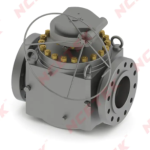

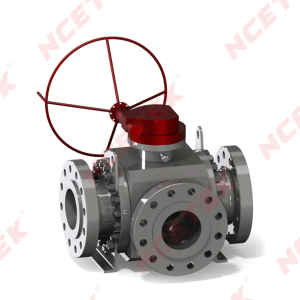
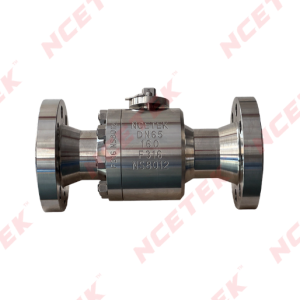
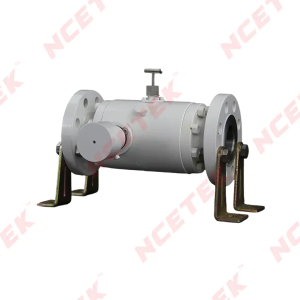
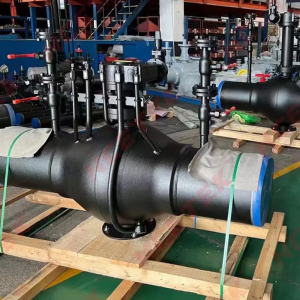
Low-temperature industrial processes create unique challenges for pipeline equipment because materials and sealing components behave differently as temperature decreases. In this environment, Cryogenic Ball Valve Design requires more than adapting a conventional valve to colder conditions. Engineers need to consider material behavior, thermal contraction, sealing performance, stem arrangement, cavity pressure, actuation, insulation, and testing as interconnected elements of the complete valve system.
Cryogenic applications can include LNG processing, industrial gas systems, refrigeration processes, and other facilities where fluids are transported or stored at very low temperatures. At these temperatures, certain materials can experience changes in mechanical properties, while polymeric sealing materials may lose flexibility. Metal components can also contract as temperature decreases, potentially changing clearances and contact forces between internal components.
Material selection therefore becomes fundamental. The valve body, ball, stem, seats, packing, and other components must be evaluated according to the intended temperature range and process medium. Stainless steels and other specialized materials may be considered for certain low-temperature services, but the selection should always be based on the specific engineering requirements rather than a general material category.
Sealing technology presents another major challenge. A valve must maintain suitable isolation while the temperature changes during startup, normal operation, shutdown, and maintenance. Seat materials need to retain appropriate mechanical characteristics under low-temperature conditions, while stem sealing must limit external leakage. Thermal cycling can place additional demands on sealing components, making material compatibility and dimensional control particularly important.
The stem arrangement is also significant in many cryogenic applications. An extended bonnet or stem configuration can help separate the stem sealing area from the coldest region of the valve. This arrangement may support more appropriate operating conditions for the packing or sealing system while providing an accessible location for actuation. The actual configuration should be determined according to the temperature, insulation, actuator, and installation requirements.
Pressure management inside the valve body requires careful consideration as well. When liquid becomes trapped inside a closed valve cavity, temperature changes can influence internal pressure. Depending on the valve configuration and process conditions, engineers may require appropriate cavity pressure relief, venting, or other pressure-management provisions.
Thermal insulation can also be part of the overall system design. Insulation may help reduce heat transfer between the valve and surrounding environment, but it should not interfere with actuator operation, inspection, maintenance, or safety access. The valve and insulation system should therefore be considered together during installation planning.
Manufacturing cleanliness can be particularly important in specialized low-temperature systems. Contamination, machining residues, or foreign particles can interfere with sealing surfaces and moving components. Production, cleaning, assembly, and inspection procedures should reflect the requirements of the intended cryogenic application.
Testing is another important part of quality assurance. Depending on the project specification, cryogenic valves may require testing procedures that address low-temperature sealing and operating behavior. Pressure testing and functional inspection can provide useful information, while specialized cryogenic testing may be specified for applications where performance at low temperatures needs to be directly verified.
Actuation should also be evaluated across the complete operating range. Pneumatic or electric actuators may be used depending on the facility and control system. Engineers need to consider operating torque, actuator environmental limits, insulation arrangements, available utilities, fail-position requirements, and control interfaces.
Maintenance planning can be more complex for cryogenic equipment because access may be affected by insulation and cold-service conditions. Before maintenance, the system must be isolated and brought to an appropriate safe condition. Personnel should account for residual pressure, extremely cold surfaces, trapped process media, and the possibility of temperature changes during intervention.
For equipment procurement, technical specifications should clearly identify the process medium, temperature range, pressure conditions, valve configuration, material requirements, sealing arrangement, actuation method, applicable standards, testing requirements, and installation environment. This information enables manufacturers to develop a configuration that is aligned with the actual service conditions.
A well-engineered Cryogenic Ball Valve Design therefore depends on the coordinated selection of materials, sealing systems, thermal arrangements, pressure-management features, actuation, manufacturing controls, and testing procedures. Zhejiang Naishi Valve Co., Ltd. provides cryogenic and other specialized industrial ball valve solutions, with further product information available at https://www.ncevalve.com/product/.