


Water Pumps selection for industrial applications should begin with the actual process rather than a catalogue number. Different facilities handle different liquids, flow requirements, pressure conditions, solids content, temperatures, and working schedules. A unit designed for clean liquid transfer may not suit wastewater containing fibrous material, while equipment intended for drainage may not match a process requiring controlled circulation. Defining the application clearly gives purchasing teams a practical starting point for comparing suitable configurations.
The nature of the liquid is one of the first details worth checking. Clean process liquid, wastewater, sludge, abrasive mixtures, and chemically active fluids can place very different demands on internal components. Temperature, viscosity, acidity, density, and suspended material may influence the construction and material choices required for a particular installation.
Flow and head are equally important. Flow indicates how much liquid needs to move during a specific period, while head represents the resistance that the system needs to overcome. Pipe length, elevation, valves, fittings, filters, and discharge arrangements can all affect the actual duty. Choosing equipment based only on motor capacity or pipe diameter may create an unsuitable operating condition.
Operating schedules should also be considered. A facility running continuously may have different requirements from one operating in short production cycles. Peak demand can also differ considerably from average demand. Buyers can provide normal flow, expected peak flow, working hours, starting frequency, and other available information so the manufacturer can evaluate the application more accurately.
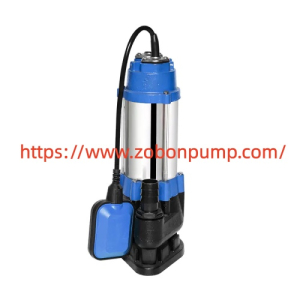
Wastewater handling creates another layer of consideration. Fibers, rags, plastics, food processing residue, and other debris may interfere with conventional equipment. In these situations, a cutting mechanism can be considered when the actual waste stream presents a repeated blockage concern. Zobonpump offers a submersible cutting sewage model designed for wastewater containing solids and fibrous material, with application areas including factories, municipal facilities, and construction sites.
A Submersible Cutter Sewage Pump can be relevant when fibrous or string like material creates a risk of blockage. Its cutting arrangement works on incoming solids before discharge, which can be useful for certain wastewater duties. The choice should still depend on the actual composition of the liquid, required capacity, discharge conditions, and installation arrangement rather than the product name alone.
Installation conditions deserve equal attention. Buyers should review available space, wet well dimensions, pipe connections, discharge height, electrical supply, lifting arrangements, and access for future servicing. Submersible equipment can be useful where the installation requires operation below the liquid level, while other layouts may call for a different configuration.
Material selection is another area where application details matter. Abrasive particles can affect wear components, while corrosive liquids may require suitable materials for the casing, shaft, seals, and other exposed parts. Providing the manufacturer with accurate liquid information can help narrow the available configurations.
Maintenance planning should be included before purchase. Service teams may need to inspect seals, bearings, impellers, cables, motor components, or other parts during the service life. Easy access to relevant components can help organize routine inspections and reduce disruption to production schedules.
Energy use should also form part of the purchasing discussion. A unit that operates for many hours each day can have a meaningful effect on ongoing operating expenses. Buyers can compare expected duty conditions, motor requirements, operating hours, and system resistance instead of looking only at the initial purchase price. Lifecycle cost is widely recognized as an important consideration in industrial equipment selection.
Another useful step is to prepare a technical information sheet before contacting a manufacturer. Include liquid type, required flow, head, temperature, solids characteristics, installation depth, pipe dimensions, power supply, operating schedule, and any special environmental conditions. These details give both sides a clearer basis for discussing configuration.
Zobonpump works with industrial customers seeking equipment for drainage, wastewater handling, process applications, and other fluid movement requirements. By discussing actual site conditions before ordering, buyers can compare configurations according to their specific working environment and avoid relying on assumptions.
Industrial applications can change over time, so it is also worth considering future production adjustments when reviewing equipment. A facility may increase operating hours, modify its process, or change the characteristics of its wastewater. Discussing these possibilities early can help buyers make a more informed purchasing decision.
For manufacturers, contractors, distributors, and factory purchasing teams, application based selection provides a practical path toward suitable equipment. Reviewing the liquid, required capacity, pressure conditions, installation layout, solids content, operating schedule, and maintenance needs can make technical communication much clearer. Buyers can review Zobonpump product options and application information through https://www.zobonpump.com/product/ when planning their next fluid handling project.