

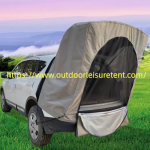

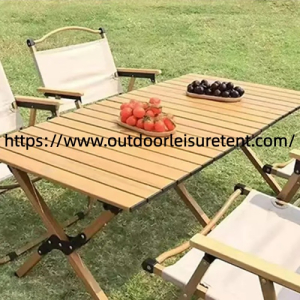
Wholesale Inflatable Tent purchasing should begin with the actual application rather than a catalog image. Buyers need to consider event location, expected weather, available floor area, transport arrangements, setup frequency, branding requirements, and storage conditions. An Oxford Cloth Tent may be suitable for certain lightweight applications, but fabric selection should always match the intended environment and construction method. Recent industry buying guides similarly recommend reviewing material, size, anchoring, packing, and operating conditions before production begins.
Material is one of the first areas worth discussing with a manufacturer. Buyers should ask about fabric composition, denier, coating, surface treatment, stitching, reinforcement, and cleaning requirements. Oxford fabric is not one single specification. Different yarn densities and coatings can create different characteristics, so simply comparing fabric names may not provide enough information. The intended use should determine the material configuration.
Seams deserve similar attention. Stress areas around corners, entrances, connection points, valves, and anchor locations may experience more tension during setup and use. Buyers can ask how these areas are reinforced and whether the production method matches the planned application. Photos of finished samples can also help purchasers examine stitching, panel alignment, surface appearance, and connection details before approving a large order.
The inflation system should be included in the purchasing discussion from the beginning. Buyers should confirm blower specifications, electrical requirements, air connections, valve design, operating instructions, and whether replacement components are available. Continuous air systems and sealed structures have different operating requirements, so the choice should correspond with the event location and power availability.
Dimensions are another practical consideration. A structure intended for a small promotional display has different space requirements from one designed for exhibitions, sports activities, outdoor gatherings, or commercial demonstrations. Buyers should provide the available footprint and desired interior arrangement before production. Entrance position, side openings, ceiling height, display areas, and visitor movement can then be considered together instead of being adjusted after manufacturing.
Transportation is often overlooked during product selection. A large structure may become inconvenient if the packed volume is difficult to handle or does not fit the planned vehicle. Buyers should request packed dimensions and approximate weight, then check whether the carrying bags and components are practical for their logistics process. For customers who attend multiple events, easy storage and organized component packing can also simplify repeated use.
Anchoring should be discussed according to the installation surface. Grass, soil, concrete, paved areas, and indoor exhibition floors may require different approaches. Buyers should ask which accessories are included and which options are available for specific locations. The supplier should also explain the installation procedure and any operating limitations related to local weather conditions. Proper anchoring is an important part of responsible outdoor use.
Customization is another area where early communication can prevent problems. Buyers may require specific colors, printed graphics, entrances, windows, dimensions, internal layouts, or accessories. Artwork should be approved before production, with attention to logo position, viewing direction, panel size, and color references. A clear design approval process helps reduce misunderstandings between the purchasing team and factory.
For bulk orders, production consistency matters as well. Buyers can ask how raw materials are checked, how measurements are controlled, how printing is inspected, and whether the completed structure is inflated before shipment. A full inflation inspection can reveal issues that may not be obvious when the product is folded and packed, including panel alignment, surface tension, symmetry, artwork placement, and valve connections.
Mansen can support buyers who need outdoor structures for promotional activities, exhibitions, leisure applications, sports events, and other commercial settings. The purchasing discussion can cover dimensions, material choices, artwork, accessories, packaging, and production requirements so the final specification reflects the intended use.
Delivery planning should also begin early. Buyers should provide the required quantity, destination, preferred delivery schedule, artwork status, and any event deadline. This gives the manufacturer enough information to coordinate design approval, production, inspection, packing, and shipment. For seasonal projects, working backward from the event date can help avoid unnecessary scheduling pressure.
A practical purchasing checklist can therefore include fabric specification, coating, seams, reinforcement, dimensions, inflation equipment, anchoring, artwork, packaging, inspection, replacement components, and delivery timing. Comparing these points gives buyers a clearer basis for evaluating quotations and supplier responses.
Mansen focuses on practical outdoor product manufacturing and can discuss different configurations according to project requirements. Buyers preparing a bulk order can review available product options at https://www.outdoorleisuretent.com/product/