

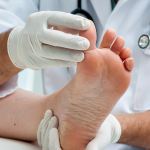




Walking barefoot may seem comfortable and harmless, but it can create significant risks for people with diabetes, particularly those who have reduced sensation or circulation problems. Diabetic Foot Care At Home In Dubai should include protecting the feet from cuts, burns, pressure, and other injuries that may go unnoticed. Guidance from a Doctor at Home can help individuals understand their personal risk factors and learn when a foot injury requires professional attention. Simple precautions, such as wearing appropriate footwear and checking the feet regularly, can make everyday movement safer.
Why Barefoot Walking Can Be Dangerous With Diabetes:
Diabetes can affect the nerves and blood vessels in the feet over time. Diabetic neuropathy may reduce the ability to feel pain, heat, pressure, or sharp objects, while circulation problems can make injuries slower to heal. As a result, a person may step on a small object, develop a blister, or touch a hot surface without immediately realizing that the skin has been damaged. Continuing to walk on an unnoticed injury can increase pressure and friction, potentially making a minor problem more difficult to manage.
Reduced Sensation Can Hide Foot Injuries:
One of the biggest concerns associated with barefoot walking is reduced sensation. A person with diabetic neuropathy may not feel a small stone, sharp object, splinter, or rough surface under the foot. They may also fail to notice excessive heat from pavement, flooring, or bathwater. Without the normal warning sensation of pain, the person can continue the activity and unintentionally worsen the injury. Regular visual inspections are therefore especially important for anyone with reduced sensation.
Common injuries that may go unnoticed include:
- Small cuts and scratches
- Blisters
- Puncture wounds
- Burns
- Splinters
- Skin abrasions
- Pressure-related injuries
Hot Surfaces Can Cause Serious Burns:
Bare feet can be particularly vulnerable to hot surfaces. Outdoor pavement, poolside flooring, sand, and other surfaces can become extremely hot during warm weather. People with reduced sensation may not recognize the danger until significant skin damage has occurred. Burns can create open areas in the skin and may increase the risk of infection. Wearing protective footwear outdoors can provide an important barrier against excessive heat. Bathwater and showers also require caution, and temperature should be checked safely rather than relying solely on foot sensation.
Sharp Objects Can Break the Skin:
Even a clean-looking floor can contain objects capable of damaging bare feet. Small pieces of glass, metal, wood, stones, or other sharp materials can cause punctures or cuts. These injuries may be difficult to notice when sensation is reduced. A puncture wound can also introduce bacteria beneath the skin. Wearing appropriate footwear indoors and outdoors can significantly reduce exposure to these hazards, especially for individuals who have previously experienced diabetic foot problems.
Barefoot Walking Can Increase Pressure and Friction:
Walking without supportive footwear can expose certain areas of the feet to increased pressure. Repeated pressure may contribute to calluses, blisters, or skin breakdown, particularly when a person has an abnormal walking pattern or reduced sensation. Without appropriate cushioning and support, the feet may also become fatigued during prolonged standing or walking. Properly fitted shoes can help distribute pressure more evenly and protect vulnerable areas from repeated friction.
Poor Circulation Can Affect Healing:
Diabetes can contribute to circulation problems that affect the lower extremities. Healthy blood flow is important for delivering oxygen and nutrients to tissues and supporting normal healing. When circulation is impaired, even a small injury may require more attention. Barefoot injuries therefore deserve particular caution in people with known circulation concerns. A wound that remains open, becomes increasingly red, or does not show expected improvement should be evaluated by a healthcare professional.
Infection Risk Should Not Be Ignored:
A break in the skin can provide an entry point for bacteria. Diabetes can increase vulnerability to certain complications, particularly when wounds are not recognized and treated promptly. Signs such as increasing redness, swelling, warmth, drainage, unpleasant odor, or worsening appearance can indicate a possible infection. Individuals with diabetes should not attempt to manage a significant or worsening infection solely through home remedies. Professional assessment may be necessary to determine the appropriate treatment.
Why Barefoot Walking Indoors Can Also Be Risky:
Some people avoid shoes outdoors but assume barefoot walking inside the home is completely safe. However, indoor environments can also contain hazards such as dropped objects, furniture edges, rough flooring, hot surfaces, and slippery areas. Reduced sensation can make these risks harder to recognize. Comfortable protective footwear or appropriate slippers can provide an additional layer of protection. Before wearing any footwear, check the inside for stones, rough seams, damaged lining, or other objects that could irritate the skin.
Wear Footwear That Fits Correctly:
Avoiding barefoot walking is only helpful if the alternative footwear is comfortable and appropriate. Shoes that are too tight can create pressure points, while shoes that are too loose may increase friction and instability. Choose footwear with adequate toe room, comfortable cushioning, and appropriate support. Socks should also fit properly and should not create excessive pressure around the toes or ankles.
When selecting protective footwear, consider:
- Adequate room for the toes
- Comfortable width
- Proper cushioning
- Smooth interior surfaces
- Good support
- Secure fastening
- Breathable materials
- Appropriate fit for daily activities
Inspect Your Feet Every Day:
Daily foot inspection can help identify injuries before they become more serious. Examine both feet in good lighting, including the tops, soles, heels, sides, and spaces between the toes. If you cannot see the soles easily, use a mirror or ask a caregiver for assistance. Look for changes in color, swelling, redness, blisters, cuts, cracks, pressure marks, and other abnormalities. Daily inspection is particularly important if you have neuropathy because you may not experience pain from an injury.
A daily inspection should include:
- Checking both feet carefully
- Comparing one foot with the other
- Looking between the toes
- Checking the heels and soles
- Inspecting for pressure marks
- Looking for wounds or blisters
- Noting unusual color or temperature changes
Keep Feet Clean and Properly Moisturized:
Good foot hygiene can support healthy skin and reduce avoidable problems. Wash the feet gently with lukewarm water and mild soap, then dry them thoroughly, particularly between the toes. If the skin is dry, an appropriate moisturizer can help maintain flexibility and reduce cracking. Avoid applying excessive moisturizer between the toes because trapped moisture can contribute to fungal problems. If you notice deep cracks, bleeding, persistent irritation, or other unusual skin changes, seek appropriate professional advice.
Be Careful During Exercise and Outdoor Activities:
Physical activity can support overall diabetes management, but barefoot exercise can expose the feet to unnecessary risks. Activities involving running, walking, gardening, swimming pool areas, or outdoor recreation should be performed with suitable protective footwear when appropriate. Check the feet before and after exercise for redness, blisters, or pressure areas. If a wound is present, do not continue activities that place pressure on the affected area unless specifically approved by a healthcare professional.
Know When to Seek Professional Help:
Any significant foot injury deserves careful attention when you have diabetes. Seek professional advice for wounds that are deep, persistent, increasingly red, swollen, warm, or producing drainage. Burns, puncture wounds, significant discoloration, and new areas of numbness should also be evaluated appropriately. Do not wait for severe pain before seeking help because diabetic neuropathy can reduce the body's normal pain signals.
Contact a healthcare professional if you notice:
- A wound that does not heal
- Increasing redness or swelling
- Pus or drainage
- Significant discoloration
- A serious burn
- A deep cut or puncture
- New or worsening numbness
- Persistent warmth around an injury
- Fever or feeling unwell
Make Foot Protection Part of Your Daily Routine:
Preventing barefoot injuries is easier when foot protection becomes a regular habit. Keep suitable footwear near the areas where you commonly walk, check shoes before putting them on, and inspect your feet every day. Caregivers can assist individuals who have difficulty seeing or reaching their feet. Maintaining recommended diabetes management, attending regular professional foot assessments, and responding quickly to changes can further support long-term foot health.
Final Thoughts:
Walking barefoot can expose people with diabetes to injuries that may be difficult to notice because of reduced sensation or circulation problems. Cuts, punctures, burns, blisters, pressure injuries, and infections can potentially become more complicated when they are not identified promptly. Wearing comfortable, properly fitted protective footwear, checking the feet daily, maintaining good hygiene, and avoiding extreme temperatures are practical ways to reduce unnecessary risks. Most importantly, any wound or unusual change should be taken seriously and assessed when appropriate. Consistent Diabetic Foot Care At Home In Dubai can help people build safer daily habits and protect their feet from preventable injuries.