

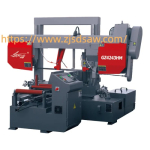

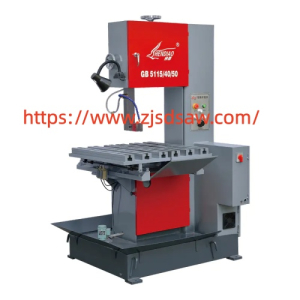
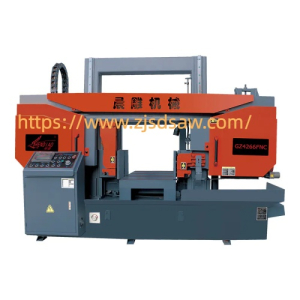
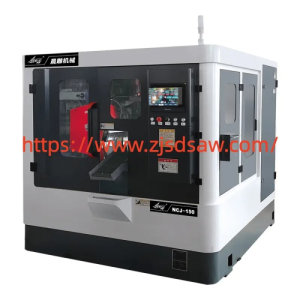
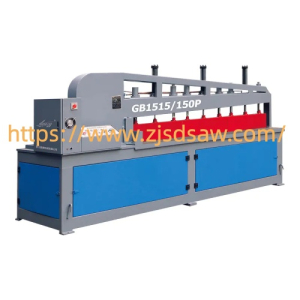
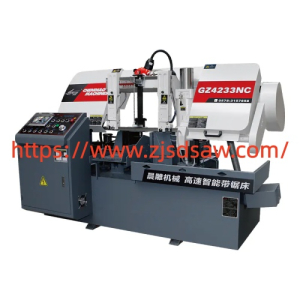
Fully Automatic Angle Cutting Band Saw Machine selection should begin with the actual requirements of a workshop rather than a single specification on a product sheet. Buyers need to consider material dimensions, shapes, production volume, required miter positions, handling methods, available floor space, electrical conditions, and operator workflow. A careful review at this stage can make equipment selection more practical and help avoid paying for functions that do not match daily production needs.
One important point is capacity. The maximum material size should be compared with the dimensions commonly processed in the workshop. Round stock, square sections, rectangular profiles, pipes, and structural materials can create different loading requirements. Buyers should also consider whether materials are handled individually or in batches. A suitable clamping arrangement can help keep workpieces stable during processing and support repeatable positioning.
Angle requirements deserve close attention as well. A workshop may handle several miter positions during a typical week, while another may use only one or two settings. The buyer should identify the angles that are actually required and check how adjustments are performed. Clear positioning references, stable holding, and convenient setup can make a difference when operators move between different jobs.
Material handling is another practical checkpoint. Automatic feeding can reduce repeated manual movement when the same dimensions are processed in batches. The buyer should examine how stock enters the work area, how it is positioned, and how finished pieces are removed. For larger production tasks, feeding equipment and material racks may also become relevant.
Control functions should match the skills and habits of the operators. A digital interface can make parameters easier to organize, while programmable controls can support repeated jobs. The key question is not simply how many functions are available. It is whether the operator can set up a job clearly and monitor the process without unnecessary complexity. Buyers should ask about the control system, parameter storage, positioning method, alarm functions, and adjustment procedures before placing an order.
Blade selection and process conditions also deserve discussion. Different metals have different processing characteristics, so blade specification, speed selection, feed conditions, coolant use, and maintenance routines should be considered together. A machine may perform differently depending on the material being processed and the dimensions of each workpiece. Buyers can provide the manufacturer with common material grades, sizes, wall thicknesses, and expected production quantities so the proposed configuration can be reviewed against real applications.
Maintenance should not be treated as an afterthought. Ask how frequently key components require inspection, which parts are considered consumables, and how replacement components can be obtained. It is also useful to clarify installation requirements, operator training, troubleshooting procedures, and technical support. These details can influence the practical ownership experience as much as the initial specification.
The workshop environment matters too. Measure the available installation area and consider loading access, material storage, lifting equipment, ventilation, power supply, and operator movement. A machine that fits the production requirement still needs to fit the physical workflow. Planning these details before delivery can make installation more organized and reduce unnecessary changes around the equipment.
Chendiao develops metal processing equipment for industrial applications and offers different sawing solutions for various production requirements. Buyers comparing suppliers can provide clear application information and discuss the desired configuration according to their actual processing conditions.
A practical purchasing discussion should include material type, maximum and common dimensions, required angles, batch quantity, daily operating schedule, feeding expectations, available utilities, and installation conditions. With these details prepared, manufacturers can provide more relevant technical recommendations instead of relying on general specifications.
When comparing equipment, buyers should also consider how the machine will fit into the complete production process. Cutting speed is only one part of the evaluation. Material preparation, positioning, feeding, cutting, unloading, inspection, and maintenance all influence how smoothly a production line operates.
For buyers evaluating different options, Chendiao provides a range of sawing equipment that can be reviewed according to application, capacity, automation requirements, and workshop conditions. Buyers can review available solutions and product information at https://www.zjsdsaw.com/product/ and then discuss their specific material and production requirements with the manufacturer.