




Laparoscopic surgery is a minimally invasive surgical technique that allows doctors to diagnose and treat several conditions through small incisions rather than one large abdominal incision. For women, it can be used for various gynecological and abdominal procedures, often offering benefits such as smaller incisions, less postoperative discomfort, and a potentially faster recovery. Understanding laparoscopic surgery in Islamabad can help patients make informed decisions about their treatment and know what to expect before, during, and after the procedure.
What Is Laparoscopic Surgery?
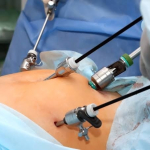
Laparoscopic surgery is commonly known as minimally invasive or keyhole surgery. During the procedure, the surgeon makes small incisions in the abdomen and inserts a thin instrument called a laparoscope. This instrument has a camera and light that allow the surgeon to view the internal organs on a monitor.
Specialized surgical instruments can then be inserted through additional small openings to perform the required treatment. Depending on the condition, laparoscopic surgery may be performed for diagnosis, treatment, or both.
Unlike traditional open surgery, which usually requires a larger abdominal incision, laparoscopy generally involves smaller surgical openings.
Why Is Laparoscopic Surgery Used for Women?
Women may require laparoscopic procedures for a range of gynecological and abdominal conditions. The specific procedure recommended depends on the diagnosis, symptoms, medical history, age, and overall health.
Some laparoscopic procedures are performed to investigate unexplained pelvic symptoms, while others are used to treat diagnosed conditions.
1. Laparoscopic Treatment for Endometriosis
Endometriosis occurs when tissue similar to the lining of the uterus grows outside the uterus. It can cause pelvic pain, painful periods, discomfort during intercourse, and sometimes fertility difficulties.
Laparoscopy can help doctors identify endometrial tissue and, when appropriate, remove or treat the affected areas. It may also help determine the extent of the condition.
2. Ovarian Cyst Surgery
Ovarian cysts are fluid-filled sacs that can develop on or inside the ovaries. Many cysts are harmless and disappear without treatment, but some may become large, painful, or persistent.
When surgery is necessary, laparoscopic ovarian cyst removal may allow the surgeon to remove the cyst while preserving as much healthy ovarian tissue as possible when clinically appropriate.
3. Laparoscopic Hysterectomy
A hysterectomy is a surgical procedure to remove the uterus. In selected patients, it may be performed laparoscopically rather than through a traditional abdominal incision.
The type of hysterectomy depends on the patient's condition and surgical plan. The procedure may be recommended for conditions such as certain fibroids, abnormal uterine bleeding, endometriosis, or other gynecological problems when non-surgical treatments are not suitable.
4. Treatment of Uterine Fibroids
Uterine fibroids are non-cancerous growths that develop in or around the uterus. They may cause heavy menstrual bleeding, pelvic pressure, pain, or reproductive difficulties.
For selected women, minimally invasive laparoscopic surgery may be used to remove fibroids while preserving the uterus. This procedure is known as laparoscopic myomectomy.
Whether it is appropriate depends on factors such as the number, size, and location of the fibroids and the patient's future pregnancy plans.
5. Laparoscopic Surgery for Ectopic Pregnancy
An ectopic pregnancy occurs when a fertilized egg implants outside the uterus, most commonly within a fallopian tube. Because an ectopic pregnancy can become a serious medical emergency, prompt evaluation and treatment are essential.
In appropriate cases, laparoscopic surgery may be used to treat an ectopic pregnancy. The exact surgical approach depends on factors such as the location of the pregnancy, bleeding, and the patient's overall condition.
6. Laparoscopic Surgery for Pelvic Adhesions
Pelvic adhesions are bands of scar tissue that can cause internal organs and tissues to stick together. They may develop following previous surgery, infection, endometriosis, or other conditions.
Laparoscopy can help doctors identify adhesions and, when appropriate, carefully separate them. Treatment depends on their location, severity, and impact on the patient's symptoms or reproductive health.
Benefits of Laparoscopic Surgery
One of the main advantages of laparoscopic surgery is that it uses smaller incisions than conventional open surgery. This can result in smaller scars and may reduce tissue trauma.
Other potential advantages include less postoperative pain, reduced blood loss in some procedures, shorter hospital stays, and a faster return to normal activities. However, recovery varies considerably depending on the procedure and the individual's health.
It is important to understand that laparoscopic surgery is not automatically the best option for every patient. Some conditions may require open surgery, while others may be suitable for either approach.
What Happens During the Procedure?
Before surgery, the patient undergoes an assessment that may include a physical examination, blood tests, imaging, and other investigations depending on the condition.
Laparoscopic procedures are generally performed under general anesthesia. Once the patient is asleep, the surgeon creates small abdominal incisions. Carbon dioxide gas may be introduced into the abdomen to create space and improve visibility.
The laparoscope is inserted through one incision, while specialized instruments are placed through additional openings. The surgeon performs the required procedure while viewing the internal structures on a monitor.
After treatment is completed, the instruments are removed, the gas is released, and the incisions are closed.
Recovery After Laparoscopic Surgery
Recovery depends on the type and complexity of surgery. Some patients may return home on the same day, while others may need observation in a hospital.
Mild abdominal discomfort, tiredness, bloating, or temporary shoulder discomfort can occur after laparoscopy. These symptoms usually improve as recovery progresses.
Patients should follow their surgeon's instructions regarding medication, wound care, physical activity, bathing, and returning to work or exercise.
A gradual return to normal activities is generally recommended rather than immediately resuming strenuous exercise or heavy lifting.
Possible Risks and Complications
Although laparoscopic surgery is widely used, it still carries potential risks. These can include bleeding, infection, reactions to anesthesia, blood clots, injury to nearby organs, or complications related to the surgical procedure itself.
There may also be a possibility that the surgeon needs to convert a laparoscopic procedure into open surgery if it is considered safer or technically necessary.
Patients should discuss their individual risks with their surgeon before treatment.
How to Prepare for Laparoscopic Surgery
Proper preparation can help make the surgical experience smoother. Patients should provide their surgeon with a complete medical history and information about medications, supplements, allergies, previous surgeries, and existing health conditions.
Depending on the procedure, patients may be asked to avoid eating or drinking for a specific period before anesthesia. They should follow all preoperative instructions carefully.
It is also helpful to arrange transportation and assistance at home if required during the initial recovery period.
When Should You Contact Your Doctor After Surgery?
After laparoscopic surgery, patients should follow their postoperative instructions and contact their healthcare provider if they experience concerning symptoms such as persistent fever, increasing abdominal pain, heavy bleeding, significant swelling, breathing difficulties, or signs of infection.
Prompt medical evaluation can help identify and address complications early.
Frequently Asked Questions
Is laparoscopic surgery safe for women?
Laparoscopic surgery is a commonly performed minimally invasive technique, but its suitability and risks vary from patient to patient. A qualified surgeon should evaluate the individual's condition before recommending it.
How long does laparoscopic surgery take?
The duration depends on the type of procedure and its complexity. Some procedures may be relatively short, while more complex operations can take longer.
Does laparoscopic surgery leave scars?
Yes. However, laparoscopic procedures generally involve small incisions, which can result in smaller scars compared with traditional open surgery.
How quickly can I return to normal activities?
Recovery varies depending on the procedure, overall health, and individual healing. Your surgeon can provide personalized guidance about work, exercise, and other activities.
Can laparoscopic surgery help with fertility problems?
In selected cases, laparoscopy can diagnose or treat conditions such as endometriosis, pelvic adhesions, or certain reproductive problems. However, its effect on fertility depends on the underlying cause and individual circumstances.
Final Thoughts
Laparoscopic surgery provides women with a minimally invasive option for diagnosing and treating several gynecological and abdominal conditions. Procedures involving ovarian cysts, endometriosis, fibroids, ectopic pregnancy, adhesions, and selected hysterectomies may be performed using laparoscopic techniques. If you are considering laparoscopic surgery in Islamabad, consult a qualified surgeon to determine whether minimally invasive surgery is appropriate for your condition. A personalized assessment is essential for understanding the procedure, potential benefits, risks, and expected recovery.