

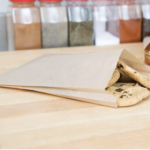

Cookies need packaging that protects their texture, controls grease, and keeps them presentable during storage or transport. Paper Bags for Cookies offer a lightweight and convenient option for bakeries, cafés, home bakers, food stalls, and catering companies. They can package individual cookies, small assortments, and takeaway orders without requiring a bulky box.
However, not every paper bag provides the same level of protection. The material, grease resistance, size, closure, and overall construction determine how well the bag performs. Choosing suitable cookie packaging bags can reduce waste, improve counter service, and create a cleaner experience for customers.
Why Paper Bags Work Well for Cookie Packaging?
Paper cookie bags are easy to fill, carry, stack, and store. They usually occupy less storage space than assembled bakery boxes, making them practical for busy service counters. Bakeries can also order them in plain or custom-printed formats.
A suitable paper bag helps keep crumbs and light grease contained. It also protects cookies from direct handling and minor outside contamination. However, paper packaging does not always provide a complete moisture or oxygen barrier, so its suitability depends on the cookie type and intended storage period.
Fresh cookies sold for immediate consumption usually work well in greaseproof or wax-coated bags. Cookies intended for extended shelf life may require an inner barrier, heat-sealable lining, or another food-safe packaging format.
Best Materials for Paper Bags for Cookies
The right material depends on the amount of butter or oil in the cookies, their surface decoration, and how long they will remain inside the bag. Each option provides different benefits.
- Greaseproof paper: Greaseproof paper is one of the best choices for oily, buttery, or chocolate-chip cookies. Its dense structure slows oil penetration and prevents visible grease marks from forming quickly on the outside. These greaseproof cookie bags are lightweight, clean to handle, and suitable for bakeries with fast takeaway service.
- Kraft paper: Kraft paper offers good tear resistance and a natural brown appearance. It works well for plain cookies, shortbread, biscuits, and other relatively dry baked goods. Standard kraft paper may absorb oil, so bakeries should choose grease-resistant kraft or add a food-safe inner lining for buttery products.
- White kraft paper: White kraft provides many of the structural benefits of brown kraft but creates a cleaner and brighter background for printed artwork. It is suitable for branded bakery bags because logos, text, and colors usually appear more accurately on a white surface. White paper cookie bags also work well for weddings, events, and premium retail displays.
- Glassine paper: Glassine is a smooth, semi-transparent paper with natural resistance to grease and air. It allows customers to see the general shape of the cookie without using a fully clear plastic bag. Glassine bags for cookies are especially useful for individual portions, café displays, gift favors, and decorated biscuits.
- Wax-coated paper: Waxed paper bags resist grease and moisture more effectively than untreated paper. They can help prevent soft or sticky cookies from attaching to the bag. However, bakeries should confirm that the wax coating is food-safe and determine whether it affects recycling or composting.
- Parchment-style paper: Food-grade parchment has good heat and grease resistance. It works well as an inner wrap or liner for freshly baked and buttery cookies. Although parchment-style bags can provide reliable grease control, they may cost more than standard kraft alternatives.
- Paper with a barrier lining: Lined paper bags combine the printable surface of paper with added protection against grease and moisture. They suit cookies that need better freshness control or longer display periods. The lining material should match the bakery’s recycling, composting, and food-safety requirements.

Comparing Cookie Bag Materials
| Material | Best suited for | Main benefit | Points to consider |
|---|---|---|---|
| Greaseproof paper | Buttery and oily cookies | Controls grease marks | Limited long-term moisture barrier |
| Brown kraft paper | Dry cookies and biscuits | Strong and natural-looking | Requires treatment for oily products |
| White kraft paper | Branded and event packaging | Clearer printing surface | May show stains without a barrier |
| Glassine paper | Individual and displayed cookies | Smooth and semi-transparent | Less rigid than heavy kraft |
| Wax-coated paper | Sticky or soft cookies | Resists grease and moisture | Coating may affect recyclability |
| Barrier-lined paper | Longer holding periods | Better product protection | Usually costs more |
How to Choose the Right Cookie Bag Size
Bag dimensions should match the cookie’s diameter, thickness, and quantity. A tight bag may scrape icing or break delicate edges, while an oversized bag can allow the product to move and create an untidy presentation.
For flat bags, measure the widest part of the cookie and add approximately 0.5 to 1 inch to the bag width. Additional height is necessary for folding, sealing, or attaching a label. Thick sandwich cookies and multiple-cookie portions may require a side or bottom gusset.
The following sizes provide a practical starting point. Actual requirements may differ according to cookie thickness and decoration.
| Cookie bag size | Suggested application |
|---|---|
| 3 × 5 inches | Mini cookies, small biscuits, and samples |
| 4 × 6 inches | One standard cookie |
| 5 × 7 inches | One large cookie or two small cookies |
| 6 × 8 inches | Several cookies or one heavily decorated cookie |
| 7 × 9 inches | Small assorted portions |
| Custom size | Unusual shapes, gift sets, or branded portions |
A bakery should test finished samples instead of relying only on listed dimensions. Suppliers may measure bags differently, and seams can reduce the usable internal space. Testing also reveals whether the opening is wide enough for fast packing.
Popular Styles of Paper Cookie Bags
Flat Paper Bags
Flat bags are economical and suitable for individual cookies, biscuits, and other thin baked goods. They take up minimal storage space and support quick counter service. Nevertheless, they provide little room for thick cookies or stacked portions.
Gusseted Paper Bags
Side or bottom gussets expand when filled, giving the bag additional capacity. These bakery bags for cookies can hold thicker products and small assortments more comfortably. A gusset also helps reduce pressure on cookie edges.
Paper Bags With Windows
A transparent window displays the cookie while the paper area carries branding or product information. This style works well for decorated cookies, café shelves, and self-service displays. Bakeries should confirm the window material if recyclability or plastic reduction is important.
Heat-Sealable Cookie Bags
Heat-sealable bags contain a suitable inner layer that allows the opening to be closed with heat. The seal improves tamper evidence and limits exposure to outside air. This style can suit retail cookies, although the exact shelf life still depends on the recipe and barrier level.
Tin-Tie and Fold-Over Bags
Tin-tie bags are easy to open and reclose, making them suitable for multiple-cookie portions. Fold-over bags use labels, stickers, or adhesive strips to hold the top in place. Both styles offer more closure control than completely open bakery bags.
Choosing a Style for Different Cookies
Plain, crunchy cookies generally need less barrier protection than soft, iced, or filled varieties. A simple kraft or greaseproof flat bag may be enough for dry biscuits sold for same-day consumption. Soft cookies benefit from a closure that limits air exposure, while heavily decorated cookies need additional internal space.
Glassine sleeves and window bags can showcase individual decorated cookies. Meanwhile, gusseted or tin-tie bags are better for mixed portions. If cookies will be shipped, a paper bag alone may not provide enough protection; an outer box can prevent crushing and movement.
Printing Options for Custom Paper Cookie Bags
Flexographic printing is suitable for large quantities and simple branded designs. It can apply logos, patterns, and limited-color artwork efficiently to kraft, white paper, or greaseproof stock.
Digital printing works better for smaller runs, seasonal designs, and artwork containing several colors. Bakeries should ensure that inks, coatings, and adhesives are appropriate for food packaging. Printed areas should also be positioned to reduce direct contact with unpackaged cookies.
Final Buying Recommendations
Before ordering Paper Bags for Cookies, compare the material, finished dimensions, grease resistance, closure, printing quality, minimum order quantity, and production time. Request samples and test them with fresh cookies under realistic serving and storage conditions.
The best bag should fit without damaging the product, control visible grease, and match the intended holding time. By selecting food-safe paper, an appropriate size, and a practical bag style, bakeries can improve product presentation while keeping packaging convenient and cost-effective.