



Modern laser technology has changed the way people approach pigmentation, acne scars, uneven skin tone, and signs of photoaging. Among newer options, picosecond laser technology has gained attention because it delivers extremely short pulses of energy. Traditional laser treatments, including Q-switched and other nanosecond-based systems, remain useful for many skin concerns. The right choice depends on the condition being treated, skin type, treatment goals, and professional assessment.
For people considering PICO Laser Treatment In Islamabad, understanding how it differs from traditional laser procedures can make the decision easier. Both approaches can target unwanted pigmentation and other skin concerns, but they work somewhat differently and may have different recovery profiles.
What Is PICO Laser Treatment?
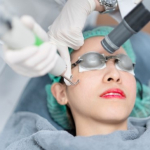
PICO laser is a type of picosecond laser that delivers energy in pulses lasting only a fraction of a nanosecond. Instead of relying mainly on heat, these ultra-short pulses create a strong photomechanical effect that can break pigment into very small particles while limiting heat exposure to surrounding tissue.
Depending on the device and settings, picosecond technology may be used for concerns such as pigmentation, benign pigmented lesions, acne scars, photoaging, and tattoo pigmentation. Research has found evidence supporting several of these applications, although results vary according to the condition and laser parameters used.
What Are Traditional Laser Treatments?
Traditional laser treatments include several technologies, and they should not be considered one single procedure. Q-switched lasers, for example, commonly use nanosecond pulses to target pigmentation and tattoo ink.
Other laser systems use different wavelengths and pulse durations to address skin resurfacing, vascular concerns, pigmentation, wrinkles, or scars. Some treatments work primarily through controlled thermal effects, while others target pigment more selectively.
Therefore, comparing PICO laser with “traditional laser” depends on which specific laser is being considered.
PICO Laser vs Traditional Laser: Key Differences
Pulse Duration
The most obvious difference is pulse duration. Picosecond lasers deliver energy in much shorter pulses than conventional nanosecond Q-switched lasers. This allows the treatment to produce a stronger photomechanical effect with less reliance on heat.
Treatment of Pigmentation
Both technologies can treat unwanted pigmentation. However, some comparative research in Asian patients has shown promising pigment-clearing results with picosecond technology. One split-face study reported greater than 50% improvement at six months in more picosecond-treated sites than Q-switched-treated sites.
This does not mean PICO is automatically better for every patient. A 2024 comparative study of melasma found that a traditional combined Q-switched and long-pulse Nd:YAG approach produced greater improvement than picosecond alexandrite laser in the studied group.
Downtime and Comfort
Picosecond lasers are often associated with relatively limited downtime because their ultra-short pulses can reduce unwanted thermal exposure. Reviews have reported lower pain intensity and shorter downtime compared with some Q-switched approaches.
However, individual experiences differ. Temporary redness, swelling, sensitivity, or pigmentary changes can occur with laser procedures, depending on the treatment and skin type.
Skin Rejuvenation
PICO laser can also be used for skin rejuvenation and collagen remodeling. Research has reported improvements in skin quality, pigmentation, and photoaging with certain picosecond systems.
Traditional resurfacing lasers can also produce significant improvements, particularly when controlled thermal remodeling is desirable. The appropriate technology depends on whether the primary goal is pigment reduction, texture improvement, scar treatment, or broader resurfacing.
Which Treatment Is Better for Pakistani Skin?
People in Pakistan often have medium to darker skin tones, which makes appropriate laser selection especially important. Darker skin can have a greater risk of post-inflammatory hyperpigmentation following some laser treatments, so treatment parameters need to be carefully selected.
PICO technology may be attractive when a practitioner wants to target pigmentation while limiting unnecessary thermal damage. Nevertheless, it is not automatically the safest or most effective option for every skin concern.
A qualified skin professional should evaluate your skin type, pigmentation, previous treatments, medications, sun exposure, and treatment objectives before recommending a laser.
What Can You Expect After PICO Laser Treatment?
Immediately after treatment, some patients may experience mild redness, warmth, swelling, or sensitivity. These effects generally depend on the laser settings and the condition being treated.
Following aftercare instructions is important. Protecting treated skin from excessive sun exposure and consistently using suitable sunscreen can help reduce the risk of unwanted pigmentation. The American Academy of Dermatology also emphasizes that darker skin requires particular care when undergoing laser procedures.
The number of sessions varies. Some concerns may require multiple treatments, and results generally develop gradually rather than appearing immediately.
Frequently Asked Questions
Is PICO laser better than traditional laser?
Not necessarily for everyone. PICO laser has advantages for certain pigmentation and rejuvenation concerns, while traditional lasers may be more appropriate for other conditions.
Is PICO laser suitable for darker skin?
It can be used on darker skin, but laser settings must be carefully selected. A professional assessment is important because darker skin can be more susceptible to post-treatment pigmentation changes.
How many PICO laser sessions are required?
The number varies according to the skin concern, severity, laser type, and individual response. A treatment provider can recommend an appropriate schedule after evaluating your skin.
Does PICO laser have downtime?
PICO laser generally has limited downtime, although temporary redness, swelling, or sensitivity may occur. The recovery period depends on the treatment settings and individual skin response.
Can PICO laser completely remove pigmentation?
Laser treatment can significantly improve certain types of pigmentation, but complete removal is not guaranteed. Some conditions, particularly melasma, can recur and may require ongoing maintenance and sun protection.
Final Thoughts
PICO laser and traditional laser treatments can both provide useful solutions for pigmentation, scars, and skin rejuvenation, but neither technology is universally superior. The choice should be based on the specific skin concern, skin tone, desired outcome, and professional evaluation. For individuals exploring PICO Laser Treatment In Islamabad, choosing an experienced provider and following personalized pre- and post-treatment care can help support safer and more predictable results.