

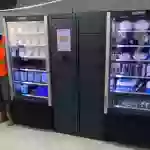

Workplace safety in Australia has never been more serious a matter, and the way businesses manage safety gear is evolving rapidly. The introduction of personal protective equipment vending machines has transformed how industries distribute critical safety supplies, removing barriers between workers and the gear they need to stay protected on the job. From construction sites in Queensland to manufacturing floors in Victoria, these automated dispensing units are becoming a fixture in high-risk work environments. But simply installing a unit and walking away is not enough. To get genuine value from this technology, and to ensure your workforce actually stays protected, there are clear best practices every safety manager and business owner should follow.
Understanding What These Machines Are Actually For
Before diving into best practices, it helps to understand the core purpose of PPE vending machines. They are not just a convenience tool. They are a compliance and accountability instrument. When properly configured, these machines log who accessed what item, at what time, and in what quantity. That data is gold when it comes to conducting safety audits, identifying departments with higher gear turnover, or demonstrating due diligence to WorkSafe inspectors.
The machines are designed to reduce the common problem of workers skipping PPE because the stockroom is too far away, locked outside of hours, or simply not well-managed. By placing a dispensing unit close to the point of work, businesses remove the excuse and the inconvenience simultaneously.
Choosing the Right Location on Site
Placement is one of the most critical decisions you will make when deploying a PPE vending machine. A unit tucked in a back corridor or positioned in an area that requires a security clearance to reach defeats the whole purpose. The machine should be placed at or near entry points to hazardous areas, in site lunchrooms, near locker rooms, or at the start of production lines.
Consider foot traffic patterns and shift changeovers. If your site runs three shifts, the machine needs to be accessible to all three, ideally without requiring supervisor oversight for routine transactions. Well-lit, clearly signposted locations also reinforce a culture of safety rather than making PPE access feel like a chore.
In environments with multiple hazard zones, such as chemical handling areas adjacent to heavy machinery sections, consider deploying more than one unit and configuring each to stock zone-specific items. A one-size-fits-all approach to stocking often leads to shortfalls where they matter most.
Stocking the Right Items in the Right Quantities
Over-stocking a vending machine with items that rarely get used ties up budget and leads to expired products sitting unused. Under-stocking means workers face empty slots at critical moments. The sweet spot comes from analysing your site's actual usage data over a meaningful period.
Start with a three-month review of how much PPE your site consumes, broken down by type. Common high-turnover items include disposable gloves, safety glasses, hearing protection, dust masks, and hi-vis vests. Specialist items such as face shields, chemical-resistant gloves, or respiratory cartridges may be needed in lower volumes but must never run out in areas where they are mandatory.
Build in automated low-stock alerts so your procurement or safety team is notified before a product runs out entirely. Most modern machines allow for SMS or email notifications when stock drops below a set threshold. Take advantage of this functionality rather than relying on manual checks.
Consumables with expiry dates deserve particular attention. Set up a regular rotation schedule and remove any items approaching their use-by date, especially respiratory equipment and certain types of chemical-resistant gloves that degrade over time.
Setting Up User Access and Accountability Controls
One of the most powerful features of automated PPE dispensing is the ability to control access and track usage by individual employee. This is not about distrust. It is about data. When you know that one team is consuming three times the gloves of another, you can investigate whether the work process needs adjustment, whether the gloves are the right specification, or whether there is a hygiene or safety issue at play.
Most machines allow for PIN-based access, card swipe integration with existing employee ID systems, or biometric authentication. Choose the method that aligns with your existing site infrastructure. The goal is frictionless access for legitimate users while maintaining accurate records.
Set appropriate quantity limits per transaction. A worker should not be able to withdraw forty pairs of gloves in a single session unless there is a documented operational reason for it. Limits reduce waste, prevent hoarding, and keep your stock available for the full team.
For contractors and temporary workers, many systems allow for guest access codes or temporary credentials that expire after a set period. This ensures visitors to site have PPE access without permanently adding them to the system.
Training Workers and Supervisors on Proper Use
Technology only works when people understand how to use it. Rolling out a PPE vending machine without adequate training leads to frustration, workarounds, and ultimately, gaps in protection.
Brief all workers on how the machine operates, what items are available, how to report a fault, and what to do if the machine is out of stock for a critical item. Supervisors should understand how to pull usage reports and what flags in the data they should escalate to the safety team.
Incorporate the machine into your site induction process. New starters should know where the machine is located and how to access it as part of day one orientation. This positions PPE access as a normal, expected part of site culture rather than an afterthought.
Integrating with Broader Safety Management Systems
A standalone machine that does not communicate with your broader safety infrastructure is a missed opportunity. The best deployments connect PPE vending data with incident logs, hazard reports, and compliance documentation platforms. If a worker accesses respiratory protection immediately before a recorded near-miss event, that data chain supports your investigation and your continuous improvement efforts.
When exploring the right dispensing solution for your operation, it is worth looking into the range of custom vending machines Australia suppliers now offer, as many can be configured to integrate directly with site management software, ERP platforms, and compliance reporting systems. Customisation options also extend to the machine's physical dimensions, power supply requirements, and the types of storage slots available, ensuring the unit fits your specific product mix and facility layout.
Maintaining the Machine and Keeping It Operational
A PPE vending machine is a piece of electromechanical equipment, and like any equipment on site, it requires scheduled maintenance. Establish a regular servicing schedule with your supplier that covers mechanical components, software updates, touchscreen calibration, and dispensing mechanism checks.
Keep a cleaning protocol in place, particularly for machines located near dusty, oily, or chemical-heavy environments. Dirty screens and jammed dispensing coils are the two most common causes of user frustration and non-compliance. A machine that is seen as unreliable will quickly be bypassed.
Appoint a site champion or safety officer as the point of contact for machine-related issues. This person should have the supplier's service contact details and the authority to flag urgent faults for same-day response where possible.
Frequently Asked Questions
Q. What types of PPE are typically stocked in a workplace vending machine?
A: Workplace vending machines can be stocked with a broad range of items including disposable gloves, safety glasses, ear plugs, dust masks, hi-vis vests, hard hat liners, and safety boot covers. The specific inventory is tailored to the site's hazard profile and operational requirements, ensuring workers have access to exactly what they need for their role.
Q. Are PPE vending machines cost-effective for small businesses?
A: For small businesses with consistent PPE needs, vending machines can reduce wastage and administrative overhead significantly by limiting access to authorised users and tracking consumption accurately. Many suppliers offer flexible hire or leasing arrangements that make the technology accessible without a large upfront capital outlay, which suits smaller operations particularly well.
Q. How do PPE vending machines support workplace compliance in Australia?
A: These machines support compliance by generating detailed transaction logs that demonstrate PPE was available and distributed to workers, which is valuable evidence during WorkSafe audits or incident investigations. They also help businesses meet their duty-of-care obligations under state-based work health and safety legislation by ensuring critical gear is available around the clock, not just during business hours.
Building a Culture Where Safety Gear Is Never an Afterthought
The most sophisticated vending machine in the world will not protect your workers if the culture does not support using the gear. Automated dispensing is a facilitator, not a substitute for genuine safety leadership. When management visibly champions PPE use, when workers are trained and informed, and when the systems around them make compliance easier than non-compliance, the technology delivers its full potential.
Review your machine's usage reports at least quarterly. Use the data to have honest conversations about where gaps exist and what operational changes might reduce hazard exposure in the first place. Position PPE not as a last resort but as a professional standard that every person on site upholds.
Investing in the right dispensing infrastructure, configuring it thoughtfully, maintaining it diligently, and embedding it within a broader safety culture is how Australian businesses turn an automated machine into a genuine workplace safety asset.