


Most homeowners rarely think about what happens behind their laundry room wall.
The dryer gets loaded, the cycle starts, and warm clothes come out a little while later. It feels like one of the simplest routines in daily life. But hidden behind the dryer is a vent system quietly handling heat, moisture, lint, and airflow every single time the appliance runs.
Over time, that hidden system can become one of the most overlooked problems inside a home.
The dangerous part is that the issue usually develops silently. There are no loud alarms or obvious leaks. The dryer may continue operating normally while lint slowly builds inside the vent line, airflow weakens, and heat becomes trapped where it should not be.
Many homeowners only realize something is wrong once the dryer begins overheating, clothes stop drying properly, or strange smells start appearing.
That is why professional dryer vent cleaning is an important part of home maintenance that too many people forget about until problems become serious.
What Is Actually Behind the Wall?
Most dryer vent systems are hidden completely from view.
The vent may travel through walls, ceilings, attics, crawlspaces, or floors before exiting outside the home. Every time the dryer operates, warm air carries moisture and lint particles through this pathway.
The lint screen catches part of the debris, but fine particles continue traveling deeper into the vent system.
Over months and years, those particles begin sticking to the inside walls of the ductwork. Pet hair, dust, and moisture can also collect inside the system, creating thick buildup that homeowners never see.
Because the vent stays hidden, the problem often goes unnoticed for long periods.
Why Lint Buildup Becomes Dangerous
Lint may seem harmless because it looks soft and lightweight. But inside a dryer vent system, it creates serious airflow problems over time.
As buildup increases, airflow becomes restricted. Hot air struggles to leave the dryer properly, causing heat to remain trapped inside the appliance and vent line.
This trapped heat can create several issues:
- Longer drying times
- Overheating
- Increased energy usage
- Appliance strain
- Fire hazards
Lint is highly flammable, which is why blocked dryer vents are considered a serious safety concern.
Professional dryer vent cleaning helps remove hidden debris before it creates dangerous conditions inside the home.
The Warning Signs Usually Start Small
One reason homeowners ignore dryer vent issues is because the symptoms develop gradually.
At first, the changes seem minor.
You may notice:
- Clothes taking slightly longer to dry
- The laundry room feeling warmer
- Extra humidity near the dryer
- The appliance feeling hot to the touch
- A mild burning smell during cycles
Since the dryer still works, many people assume nothing serious is happening.
But behind the wall, lint buildup continues growing while airflow becomes more restricted with every load.
Your Dryer Works Harder Than You Think
A blocked vent forces the dryer to operate under constant stress.
Instead of releasing heat and moisture efficiently, the appliance has to work harder and run longer to dry clothing properly. Internal parts like the heating element and blower motor experience more strain during every cycle.
Over time, this extra workload can shorten the life of the dryer and increase the likelihood of repairs.
Many homeowners replace dryers without realizing the hidden vent blockage was the real issue all along.
Longer Drying Times Are a Major Clue
One of the most common signs of restricted airflow is clothing that stays damp after one cycle.
Heavy fabrics like towels, blankets, and jeans often become especially difficult to dry when the vent is partially clogged.
The dryer continues producing heat, but trapped moisture cannot escape properly through the blocked vent system.
As a result, drying cycles become longer and energy usage increases.
This is one of the clearest signs that professional dryer vent cleaning may be needed.
Your Laundry Room Should Not Feel Hot and Humid
A properly working dryer vents heat outside the home.
If your laundry room suddenly feels hotter or more humid during dryer cycles, airflow may already be restricted inside the vent system.
Trapped heat and moisture can slowly affect surrounding walls, paint, and flooring over time. In some cases, excess humidity may even contribute to mold growth near the laundry area.
Many homeowners do not realize that a clogged vent can affect more than just the appliance itself.
Why Cleaning the Lint Trap Is Not Enough
Most people clean the lint screen regularly and assume that solves the problem.
While cleaning the lint trap is important, it only captures part of the debris released during drying cycles.
Fine lint particles still escape into the vent line where they slowly build up over time.
That hidden buildup is what creates airflow problems deeper inside the system.
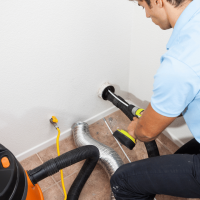
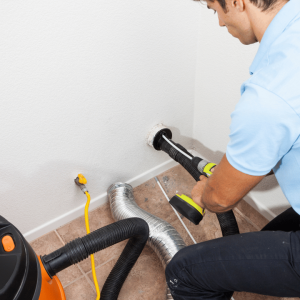
Professional dryer vent cleaning focuses on the entire airflow path rather than just the visible lint screen.
Homes With Pets Face Faster Buildup
Pet owners often experience vent problems sooner than expected.
Pet hair easily mixes with fabric fibers during drying cycles and sticks inside the vent line. Large families who run multiple loads daily may also experience faster buildup due to heavy dryer usage.
Long vent systems create additional challenges because airflow naturally slows down in longer duct runs, allowing lint to settle more easily.
In these homes, regular maintenance becomes even more important.
Why DIY Cleaning Often Misses the Real Problem
Basic vent brushes and vacuum attachments can help remove some surface lint, but they rarely clean the full system thoroughly.
Deep buildup hidden behind walls or inside long vent runs often remains untouched without professional equipment.
Technicians can also identify other hidden issues such as:
- Crushed vent hoses
- Loose duct connections
- Bird nests in exterior vents
- Damaged vent covers
- Improper airflow setups
A complete inspection helps ensure the system operates safely and efficiently.
How Often Should Dryer Vents Be Cleaned?
Most homes should schedule dryer vent cleaning at least once per year.
Homes with pets, large families, frequent dryer use, or long vent systems may require more regular service to prevent excessive buildup.
Routine maintenance helps prevent airflow restrictions before they become serious problems.
Final Thoughts
Behind your laundry room wall is a hidden system that quietly handles heat, moisture, and airflow every time your dryer runs.
When lint buildup develops inside that vent system, the problem often stays invisible until drying performance drops, energy bills rise, or safety risks increase.
Professional dryer vent cleaning helps remove hidden debris, improve airflow, reduce overheating, and keep your dryer operating more efficiently.
Routine service from AAA Air Duct Cleaning helps protect your home, improve dryer performance, and keep hidden vent problems under control year-round.