

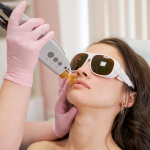

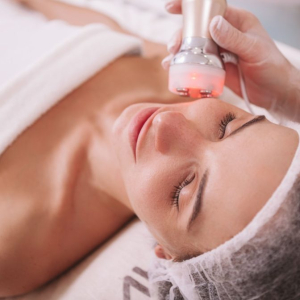



Modern dermatology increasingly focuses on combination therapies to achieve better and longer-lasting skin results. Instead of relying on a single procedure, dermatologists often pair treatments for enhanced effectiveness, especially in cases of stubborn pigmentation, acne marks, and uneven skin tone. In many clinical settings, Q-switched Laser Treatment is combined with carefully selected skincare routines to improve outcomes while supporting skin healing and maintaining long-term clarity.
Understanding the Role of Laser in Skin Treatment:
Laser technology works by targeting excess melanin in the skin using short, high-energy pulses of light. These pulses break pigment into smaller particles, which are naturally eliminated by the body over time.
Key functions of laser treatment include:
- Breaking down pigmentation clusters
- Improving uneven skin tone
- Targeting deep dermal pigment
- Supporting skin rejuvenation
- Enhancing overall skin brightness
However, laser alone may not be enough for long-term maintenance, which is why skincare plays an important supporting role.
Why Skincare Matters After Laser Treatment:
After laser procedures, the skin becomes more sensitive and requires proper care to heal effectively. Skincare products help protect the skin barrier and maintain treatment results.
Skincare benefits include:
- Supporting skin healing
- Reducing inflammation
- Preventing dryness and irritation
- Enhancing pigment control
- Maintaining long-term results
Without proper skincare, pigmentation may return or healing may slow down.
Best Skincare Ingredients to Use After Laser:
Not all skincare products are suitable after laser sessions. Dermatologists usually recommend gentle and barrier-repairing ingredients that support healing without causing irritation.
Helpful ingredients include:
- Hyaluronic acid for hydration
- Ceramides for skin barrier repair
- Niacinamide for pigmentation control
- Aloe vera for soothing effects
- Vitamin C (low concentration) for brightening
- Panthenol for healing support
These ingredients help improve skin recovery and maintain clarity.
Ingredients to Avoid After Laser Sessions:
Certain active ingredients can irritate the skin and interfere with healing if used too soon after treatment.
Products to avoid include:
- Retinoids (retinol, tretinoin)
- Strong exfoliating acids (AHA/BHA)
- Alcohol-based toners
- Harsh scrubs
- High-concentration vitamin C initially
- Fragranced skincare products
Using these too early may increase redness and sensitivity.
Combining Laser with Chemical Peels:
In some cases, dermatologists combine laser treatments with chemical peels to enhance exfoliation and pigmentation control. However, timing is critical to avoid over-stressing the skin.
Benefits of combination therapy include:
- Improved pigmentation reduction
- Faster skin renewal
- Enhanced glow and texture
- Better acne mark fading
- More even skin tone
Usually, treatments are spaced apart to allow proper recovery.
Role of Sunscreen in Combination Therapy:
Sun protection is one of the most important parts of any post-laser skincare routine. Without sunscreen, pigmentation can return even after successful treatment.
Key sunscreen benefits include:
- Preventing UV-induced pigmentation
- Protecting healing skin
- Maintaining treatment results
- Reducing melasma recurrence
- Supporting long-term skin health
Dermatologists typically recommend broad-spectrum SPF 30 or higher.
Moisturizers and Skin Barrier Repair:
Laser treatments temporarily weaken the skin barrier, making moisturization essential for recovery and comfort.
Good moisturizers help:
- Restore hydration levels
- Reduce dryness and peeling
- Strengthen skin barrier
- Improve healing speed
- Reduce sensitivity
Barrier-repair creams are especially beneficial during early recovery.
Timing of Skincare After Laser:
One of the most important aspects of combining skincare with laser treatment is timing. Using products too early or too late can affect results.
General timing guidelines:
- First 24–48 hours: only gentle cleansing and hydration
- After 3–5 days: mild skincare products introduced
- After 1–2 weeks: active ingredients gradually resumed
- Long-term: maintenance skincare routine established
Following proper timing helps avoid irritation and maximize results.
Benefits of Combination Approach:
Combining laser treatments with skincare routines provides more comprehensive skin improvement compared to using either approach alone.
Key benefits include:
- Faster visible improvement
- Reduced risk of pigmentation recurrence
- Better skin texture and glow
- Improved hydration and barrier health
- Longer-lasting results
This integrated approach is widely recommended by dermatologists.
Common Mistakes to Avoid:
Many patients unintentionally reduce treatment effectiveness by using incorrect skincare products or routines after laser sessions.
Common mistakes include:
- Using harsh exfoliants too early
- Skipping sunscreen application
- Over-cleansing the skin
- Ignoring hydration
- Using multiple active ingredients at once
Avoiding these mistakes improves recovery and results.
Who Benefits Most from Combination Treatment:
Not all patients require combination therapy, but it is especially useful for individuals with persistent pigmentation or recurring skin concerns.
Ideal candidates include:
- Patients with melasma
- Individuals with acne marks
- People with uneven skin tone
- Those with sun damage
- Patients seeking long-term maintenance
Dermatologists customize treatment plans based on individual skin needs.
Importance of Dermatologist Guidance:
Professional supervision is essential when combining laser and skincare treatments. Incorrect product use or timing can lead to irritation or reduced effectiveness.
Dermatologist guidance ensures:
- Safe product selection
- Proper treatment scheduling
- Customized skincare routines
- Reduced risk of side effects
- Better long-term outcomes
Expert advice is crucial for achieving optimal results.
Final Thoughts:
Combining laser therapy with a well-planned skincare routine offers a balanced and effective approach to treating pigmentation and improving overall skin health. While laser treatments address deeper pigmentation concerns, skincare supports healing, protects the skin barrier, and maintains long-term results. With proper product selection, correct timing, and professional guidance, this combination strategy can significantly enhance skin clarity, brightness, and texture while minimizing the risk of recurrence or irritation.