



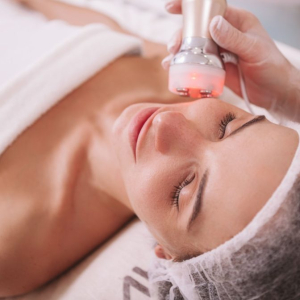




Melasma is no longer viewed as just a cosmetic concern but as a complex dermatological condition that requires advanced, science-backed solutions. In recent years, the skincare industry has shifted toward more personalized and technology-driven approaches that address pigmentation at multiple levels. Treatments like Laser Melasma Treatment are now being refined and combined with regenerative and topical therapies to improve safety and long-term effectiveness. As research deepens, new trends are reshaping how dermatologists and skincare brands approach stubborn facial pigmentation, focusing on precision, prevention, and sustainability.
Shift from Single Treatments to Combination Therapy:
One of the most significant trends in melasma treatment is the move away from single-method solutions toward combination therapy. Dermatologists now recognize that melasma is influenced by multiple factors, including hormones, UV exposure, inflammation, and genetics. As a result, treatment plans are layered to target different pathways simultaneously. Instead of relying on one product or procedure, clinics now integrate multiple strategies for better results. Key components of combination therapy include:
- Prescription topical medications
- Chemical peels for surface renewal
- Microneedling for regeneration
- Oral medications for internal regulation
- Laser-based technologies for pigment control
Rise of Personalized Dermatology Approaches:
Personalization is transforming how melasma is treated in modern skincare clinics. Rather than applying a standard protocol, dermatologists now analyze skin type, pigmentation depth, lifestyle, and hormonal factors before designing treatment plans. Advanced diagnostic tools, including imaging systems and AI-assisted analysis, help identify the exact nature of pigmentation. This allows for safer and more effective interventions tailored to each individual. Personalized treatment benefits include:
- Reduced risk of irritation or worsening pigmentation
- Faster visible improvement
- Better long-term maintenance outcomes
- Improved patient satisfaction
- More accurate treatment selection
Advancements in Laser Technology:
Laser technology continues to evolve rapidly, making it one of the most influential trends in melasma treatment today. Modern devices such as picosecond lasers, low-fluence Q-switched lasers, and fractional systems allow for more controlled pigment targeting with reduced thermal damage. These advancements significantly lower the risk of post-inflammatory hyperpigmentation, especially in darker skin tones. In many advanced clinics, Laser Melasma Treatment is now integrated into combination protocols rather than used as a standalone solution. Key improvements in laser technology include:
- Greater precision in pigment targeting
- Reduced downtime and side effects
- Safer application for diverse skin tones
- Gradual and controlled pigment breakdown
- Enhanced skin rejuvenation effects
Growth of Non-Invasive and Low-Downtime Procedures:
Patients today prefer treatments that deliver results without long recovery periods, leading to a surge in non-invasive and low-downtime procedures. Dermatology clinics are increasingly offering gentler options that minimize skin trauma while still addressing pigmentation effectively. Treatments such as superficial chemical peels, microneedling, and topical regimens are becoming more popular due to their safety profiles. Benefits of non-invasive trends include:
- Minimal disruption to daily life
- Lower risk of complications
- Gradual and natural-looking results
- Suitable for sensitive skin types
- Easier integration into long-term care plans
Integration of Skin Barrier Repair Science:
Modern melasma treatment increasingly focuses on strengthening the skin barrier rather than just removing pigmentation. Research has shown that a compromised skin barrier can worsen inflammation and increase melanin activity. As a result, dermatologists now incorporate barrier-repair ingredients and strategies into treatment plans. These include ceramides, niacinamide, peptides, and microbiome-supporting formulations. Key advantages of this trend include:
- Reduced skin sensitivity
- Better tolerance of active treatments
- Improved long-term pigmentation control
- Faster recovery after procedures
- Enhanced overall skin health
Increased Use of Oral and Systemic Therapies:
Oral medications such as tranexamic acid are becoming more widely used in melasma management due to their ability to regulate pigment-related inflammation from within the body. These systemic therapies are often combined with topical and procedural treatments for better outcomes. They are particularly useful for hormonally driven or resistant cases of melasma. Benefits of systemic approaches include:
- Internal control of melanin activity
- Reduced recurrence rates
- Enhanced effectiveness of other treatments
- Support for chronic cases
- Improved long-term stability
Focus on Sun Protection Innovation:
Sun protection remains one of the most critical elements in melasma management, and recent trends emphasize more advanced sunscreen formulations. New-generation sunscreens now offer protection against UVA, UVB, visible light, and infrared radiation. Tinted mineral sunscreens containing iron oxides are especially recommended for melasma patients. Modern sun protection trends include:
- Multi-spectrum UV protection
- Lightweight, non-greasy formulations
- Tinted sunscreens for visible light defense
- Increased cosmetic elegance for daily use
- Improved reapplication compliance
Combination of Technology and Skincare:
The integration of technology and skincare is reshaping melasma treatment outcomes. Digital skin analysis tools, AI-driven diagnostics, and advanced imaging systems are helping dermatologists create more precise treatment plans. At the same time, skincare formulations are becoming more scientifically advanced, incorporating active ingredients designed to work synergistically with procedural treatments. This combination approach improves accuracy, safety, and long-term effectiveness.
Preventive Dermatology and Long-Term Management:
Another major trend is the shift toward preventive dermatology, where the focus is not only on treating melasma but also preventing recurrence. Dermatologists now emphasize long-term maintenance strategies that include regular follow-ups, seasonal treatment adjustments, and continuous sun protection. Preventive care helps reduce flare-ups and maintain results achieved through procedures like Laser Melasma Treatment and other therapies. Key elements of preventive care include:
- Ongoing skincare routines
- Routine dermatology check-ups
- Trigger avoidance strategies
- Maintenance treatments as needed
- Lifestyle modifications for skin health
Final Thoughts:
Melasma treatment trends are rapidly transforming the skincare industry, shifting the focus toward safer, more personalized, and scientifically advanced approaches. From combination therapy and regenerative skincare to improved laser technologies and systemic treatments, modern dermatology offers more effective solutions than ever before. While melasma remains a chronic condition requiring ongoing care, innovations such as Laser Melasma Treatment and preventive dermatology strategies are significantly improving long-term outcomes. With continued research and technological advancement, the future of melasma treatment promises even greater precision, safety, and lasting skin clarity.