


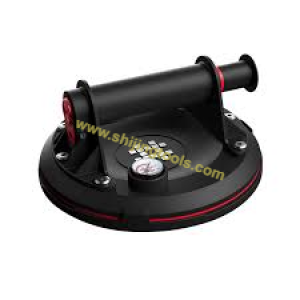
The Texture Threshold: When Vacuum Meets Roughness
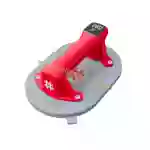
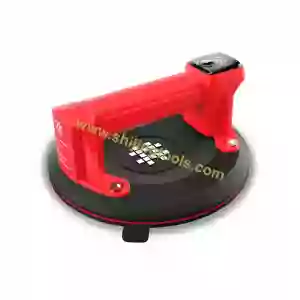
A construction site presents every surface imaginable. Polished granite gleams under sunlight. Fresh concrete shows a fine sandy texture. Porcelain tiles carry embossed patterns. Each material interacts differently with vacuum lifting equipment. The operator assumes a suction cup will grip any flat surface. Reality proves more complex. Microscopic peaks and valleys on a rough material break the airtight seal essential for vacuum holding. Dust particles act as tiny ball bearings between cup lip and surface. A set of 200mm Vacuum Suction Cups might perform perfectly on smooth glass but struggle on natural stone with an open texture. ShiJingTools, a manufacturer serving professional tile installers, regularly fields questions about this performance gap. shijingtools engineers have studied how surface characteristics influence holding force through controlled testing. What happens to effective grip when the material shifts from mirror finish to honed texture?
The physics of vacuum adhesion begins with the cup lip. A flexible rubber rim presses against the workpiece, displacing air from the cavity underneath. Atmospheric pressure then holds the cup against the surface. This mechanism requires a continuous seal around the entire lip circumference. Any gap allowing air inflow destroys the pressure differential. Smooth surfaces like glass or polished metal provide nearly perfect lip contact. Rough surfaces interrupt this contact at countless points. Sandstone, unfinished concrete, or tumbled stone present irregular profiles where peaks touch the lip while adjacent valleys remain open. Air rushes through these microscopic channels, reducing the pressure difference. The cup may still attach but with holding force potentially reduced by half or more compared to smooth surface performance.
Dust compounds the sealing problem. A layer of fine powder on the workpiece prevents direct lip-to-material contact. The cup presses into the dust layer, compressing it rather than sealing against solid material. Air moves through the powder itself, which acts like a porous membrane. This effect worsens with finer dust particles. Cement powder, drywall dust, or fine sand create almost complete seal failure. The cup might support its own weight but cannot hold heavy materials like stone slabs or large tiles. Operators sometimes attempt to wipe dust away before cup application. However, even a thin residual film remains in microscopic surface depressions. A dry wipe cannot eliminate all particles from an open-textured surface. The only reliable solution involves material-specific cup selection or surface preparation.
Rubber compound selection makes a measurable difference on challenging surfaces. Softer rubber flows into microscopic surface irregularities more easily than hard compounds. A cup with sixty-durometer rubber might seal acceptably on lightly textured stone where an eighty-durometer cup fails. However, softer rubber wears faster and may deform under heavy loads. ShiJingTools addresses this tradeoff through specialized lip geometry. Their cup designs incorporate a flexible primary lip that conforms to surface texture, backed by a stiffer support structure that resists rolling under load. This dual-durometer approach maintains seal integrity across material variations without sacrificing durability. Testing across common tile types shows consistent holding force improvement on textured surfaces compared to standard cup designs.
Lip profile shape also affects rough surface performance. A narrow, sharp lip cuts through light dust layers to contact solid material underneath. A wide, flat lip rides on top of dust particles, never reaching the actual surface. ShiJingTools cup patterns feature a tapered lip edge that concentrates pressure into a narrow contact band. This geometry presses through surface contaminants to establish a direct seal. Field tests on dusty concrete floors demonstrate this advantage clearly. Standard cups slide or lose grip entirely when placed on uncleaned surfaces. The tapered lip design maintains functional holding force even without pre-cleaning, though wiping remains recommended practice. This capability proves valuable on busy job sites where every cleaning step adds labor minutes.
Surface moisture introduces another variable. Wet dust turns into mud. Mud fills surface depressions but also coats the cup lip. The resulting seal may appear complete but fails under load as water acts as lubricant between lip and surface. ShiJingTools' rubber formulations include hydrophobic compounds that repel water from the contact interface. This feature allows the cup to push water aside and contact solid material directly. On wet tile or rain-exposed stone, hydrophobic cups maintain grip where standard cups slip. The difference becomes critical for outdoor installations or morning work on dew-covered surfaces.
Wear over time changes a cup's texture-handling ability. A new cup has sharp lip edges for cutting through dust. After months of use, the lip rounds and hardens. Performance on rough surfaces degrades faster than on smooth materials. Operators notice cups that once held textured porcelain now slip or release unexpectedly. ShiJingTools recommends periodic lip inspection and replacement schedules based on material types handled. A cup used daily on rough stone may need replacement every few months, while the same cup on polished glass could last years. Tracking performance changes helps prevent unexpected load drops that endanger workers or damage materials.
Application technique influences holding force beyond cup design. Pressing a cup onto a rough surface requires deliberate force to deform the lip into surface valleys. A quick contact may leave multiple leakage paths. Applying downward pressure while activating the vacuum pump ensures lip seating. ShiJingTools' instruction materials emphasize this technique for textured materials. Operators who spend extra seconds on proper placement achieve holding force close to theoretical maximums. Those rushing through attachment risk intermittent grip failures. Training programs covering surface assessment and cup application reduce accident rates significantly on mixed-material job sites.
Surface assessment before lifting prevents incidents. A quick visual inspection identifies obvious roughness, dust accumulation, or moisture. Running a finger across the material reveals texture depth. ShiJingTools provides reference cards comparing common surface finishes to recommended cup types. A glossy tile accepts any cup. A honed stone requires a soft-lip cup. A heavily textured concrete block may need a foam-backed cup or multiple cups distributing load. This systematic approach eliminates guesswork. The operator selects the appropriate tool for each material rather than hoping a single cup handles everything. Job safety improves through deliberate matching of equipment to conditions.
Returning to the original question about surface texture effects: roughness and dust fundamentally challenge vacuum holding by creating leak paths. Cup design, rubber compound, lip geometry, application technique, and pre-use surface assessment all influence final holding force. A set of 200mm Vacuum Suction Cups from a quality source like ShiJingTools incorporates engineering features addressing these challenges. https://www.shijingtools.com/product/handling-tools-suction-cup/ offers specifications for cup variants optimized for different surface conditions. Their product line includes standard rubber cups for smooth materials, soft-lip versions for textured stone, and wear-resistant compounds for abrasive surfaces. For any professional handling glass, tile, or stone, the holding force question has no single answer. Given that every surface presents unique sealing requirements, does your current vacuum cup selection match the actual materials encountered daily?